
I build MVPs to learn, not to launch—and AI lets me compress those learning loops from weeks into days. When the stakes are high and the clock is ticking, I default to simple architectures, ruthless scoping, and instrumentation from the very first commit. What follows is the practical playbook I use to reduce uncertainty quickly, keep risk contained, and ship value with intent.
This is a practical guide for product people who move with purpose. Build smarter, test faster, fail cheaper. This is how AI reshapes the MVP game.
I start by framing the problem in business terms and picking a single success metric tied to the customer’s core job-to-be-done. I document the riskiest assumptions, define guardrails (quality, safety, latency, cost), and choose a minimum detectable effect (MDE) so my A/B testing has statistical teeth. This forces clarity: What has to be true for this AI MVP to matter?
Then I scope the thinnest, testable slice of the experience—one clear user, one context, one outcome. I write the happy path first, instrument the key events, and resist the urge to boil the ocean. If it can’t be demoed in five minutes and measured in five days, it’s not an MVP.
Data comes next. I adopt privacy-by-design, set up basic data governance, and map inputs and outputs to avoid silent failures. I define an AI risk management checklist (prompt injection, PII leakage, hallucinations) and set budget limits to keep inference costs predictable. Responsible scaffolding early saves me from operational drag later.
On the model strategy, I prefer the simplest option that can win the experiment. I often start with an off‑the‑shelf LLM and a retrieval-first pipeline (RAG) for grounding, plus light context window management to keep prompts lean. If the workflow demands autonomous steps or tool use, I add agentic AI behaviors incrementally; fine‑tuning only comes after I’ve validated repeatable value.
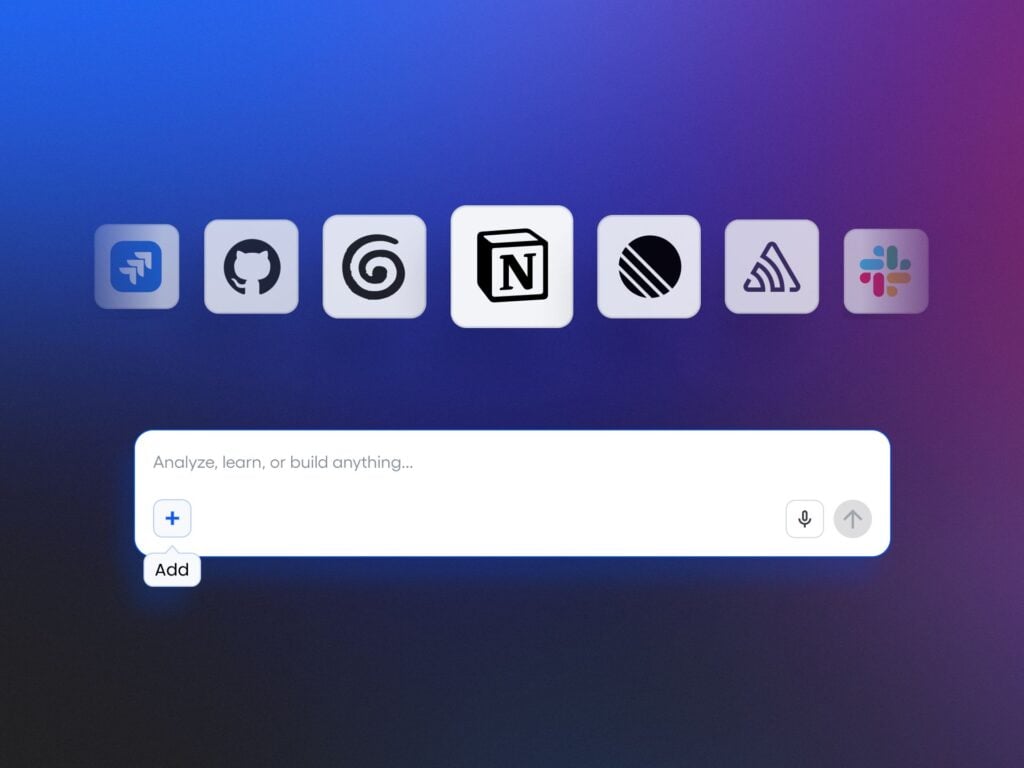
For prototyping speed, I lean on my AI product toolbox: CustomGPT workflows for rapid flows, a ChatGPT connector for quick integrations, and Claude Code for code scaffolding and refactors. I stitch the MVP into the existing stack with pragmatic CRM integration, then layer in in-app guides and product tours so users immediately understand what to try and why it matters.
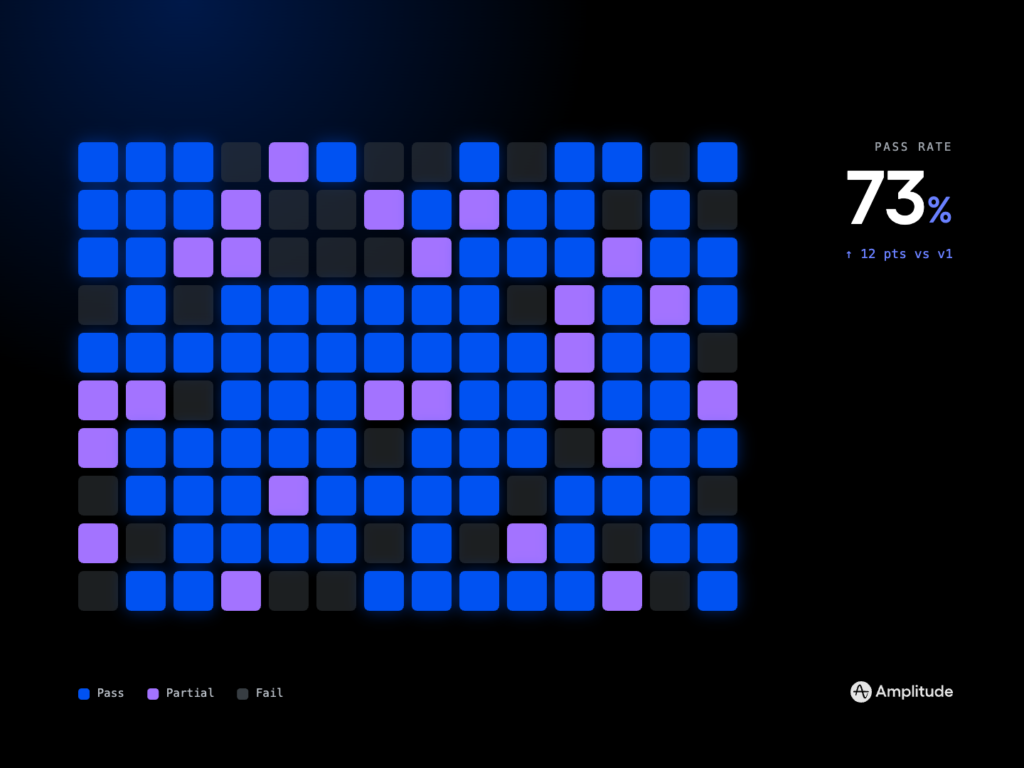
Measurement is non‑negotiable. I set up Amplitude analytics to track activation and retention, add Pendo for in‑product guidance and usage heatmaps, and wire Intercom for qualitative feedback inside the flow. With A/B testing in place and an agreed MDE, I can make crisp calls on whether the AI feature clears the bar or needs another iteration.
Shipping must stay frictionless. I keep a simple CI/CD pipeline, monitor deployment frequency, and prepare basic incident management with SRE hygiene appropriate to an MVP. Small, reversible releases let me learn safely while protecting user trust.
The learning loop is continuous discovery, not a one‑off demo. I run quick research sprints with product trios, capture edge cases, and turn user feedback into structured prompts, examples, and evaluation sets. As signal strengthens, I harden guardrails, improve retrieval quality, and elevate the value proposition in messaging.
When the metrics move and the experience feels reliable, I scale deliberately: tighten privacy-by-design controls, document outcomes vs output OKRs, and explore product-led growth motions. Only then do I consider pricing experiments, broader go-to-market strategy, and heavier investments like fine‑tuning or bespoke infrastructure.
If you want a simple way to start: day one, define the problem and metric; day two, wire a thin RAG prototype with guardrails; day three, put it in front of real users with analytics and a clear activation path. The goal isn’t perfection—it’s validated learning you can scale with confidence.
Inspired by this post on Product School.





Leave a Reply