

I’m constantly looking for ways to collapse the distance between product questions and trustworthy answers. When behavioral data shows up in the tools I already use, my team moves faster, aligns better, and makes higher-confidence calls. That’s exactly why Amplitude MCP caught my attention—and why it’s quickly becoming essential to my AI Strategy and day-to-day Product Management practice.
Discover how Amplitude MCP brings behavioral context to AI tools like Claude and Cursor, enabling data-driven decisions in your existing workflows.
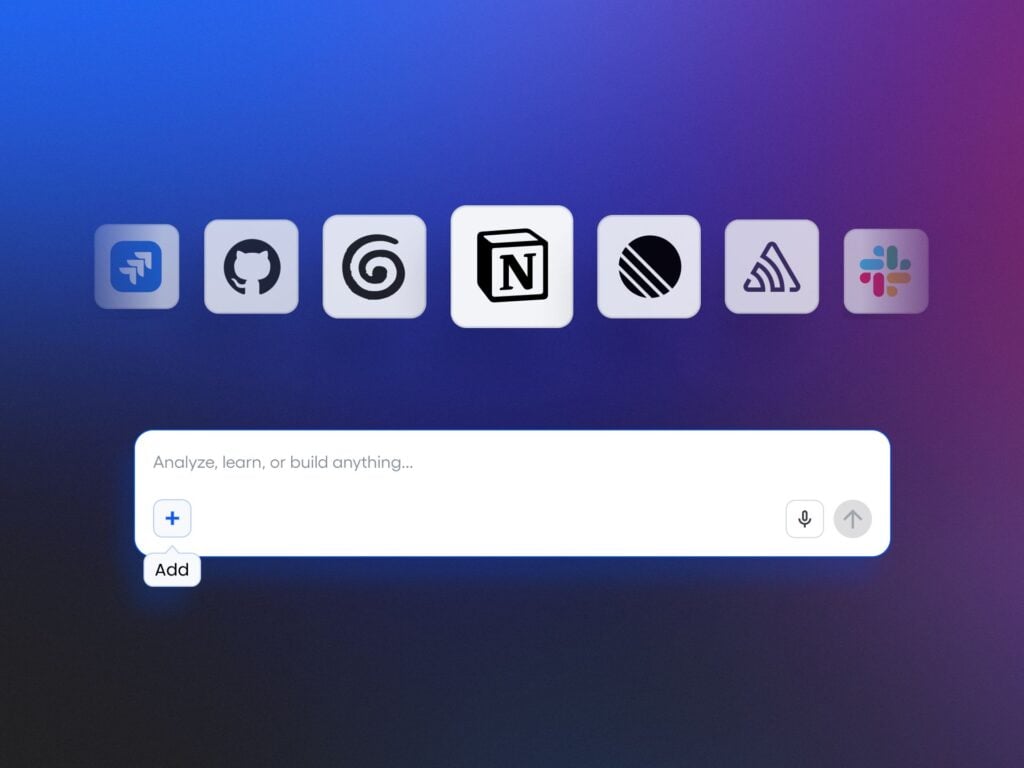
In practice, this means I can ask Claude, Cursor, or even Claude Code about activation cohorts, retention analysis, funnel drop‑offs, and feature adoption—and get responses grounded in Amplitude analytics without tab-hopping. By bringing our unified analytics platform into the flow of work, I keep momentum high and decision latency low, especially during fast-moving discovery and delivery cycles.
This approach elevates LLMs for product managers from clever assistants to reliable copilots. During continuous discovery, I can interrogate segments, compare behaviors across personas, and pressure-test hypotheses in minutes. In product-led growth environments, that behavioral context turns prioritization into a repeatable, outcomes-first ritual rather than a debate fueled by anecdotes.
Equally important, MCP helps me protect the integrity of our metrics. With consistent definitions flowing into AI tools, I reduce shadow analysis, preserve governance, and support privacy-by-design. Stakeholders—from engineers to design to GTM—see the same truths, which improves trust and accelerates alignment across the organization.
Getting started is straightforward: connect your workspace, ensure your event taxonomy is clean, and align key properties with CRM integration so segments and journeys remain attributable. I also curate an AI product toolbox of prompts for common workflows—say, exploring A/B testing outcomes or checking the minimum detectable effect (MDE) before a new experiment—so the team can move quickly without reinventing the wheel.
The payoff is immediate: fewer context switches, faster iteration loops, and sharper decisions where they matter most—inside the tools we already rely on. If you’re charting your gen ai roadmap, consider how Amplitude MCP can infuse behavioral insight into every conversation and commit. For me, it’s a pragmatic step toward an intelligent, data-informed product practice that scales.
Inspired by this post on Amplitude – Best Practices.





Leave a Reply