

I’m energized by a crisp articulation of where modern product development is headed: "Eric Carlson is a Principal AI Engineer helping to shape and build Amplitude's next generation vision of of agentic and data driven product development." That vision resonates deeply with how I prioritize roadmaps, structure teams, and measure value creation in a world where intelligent systems increasingly partner with empowered product teams.
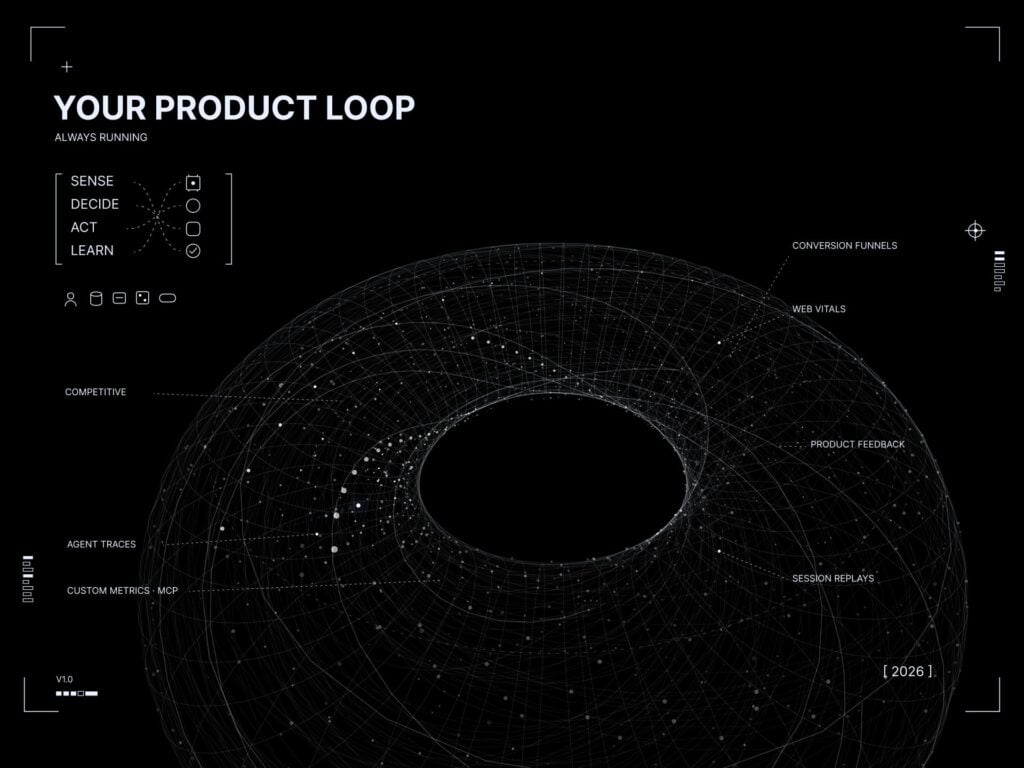
Agentic AI changes the game for product leaders. Instead of dashboards that merely report, we can design systems that propose, test, and learn—closing the gap between signal and decision. When agentic AI is coupled with rigorous behavioral analytics—think the discipline behind Amplitude analytics—it unlocks faster feedback loops, sharper product strategy, and a culture of continuous discovery that compounds over time.
Operationally, my AI strategy centers on three pillars. First, a unified analytics platform that connects qualitative insights with quantitative behavioral data, so we can trace outcomes to decisions with clarity. Second, eval-driven development for LLMs for product managers to ensure reliability, safety, and regression-proof iteration across prompts, policies, and models. Third, a retrieval-first pipeline that grounds agents in trustworthy context, enabling explainable recommendations and measurable impact on activation, retention, and expansion.
This approach empowers product trios and broader empowered product teams to move from output to outcomes. We turn hypotheses into experiments, use A/B testing when appropriate, and scale what proves causal. The result isn’t just speed; it’s confidence—confidence that each release is tied to a value proposition, that risk is reduced through instrumentation, and that learning compounds across teams and cycles.
If you’re building in this direction, start by aligning your product strategy to agentic AI capabilities that directly move core metrics. Instrument ruthlessly, define clear evaluation harnesses, and let continuous discovery guide where agents assist, automate, or advise. In my experience, the organizations that win are those that pair ambitious vision with measurement discipline—turning intelligent systems into a durable advantage for both customers and the business.
Inspired by this post on Amplitude – Best Practices.



Leave a Reply