
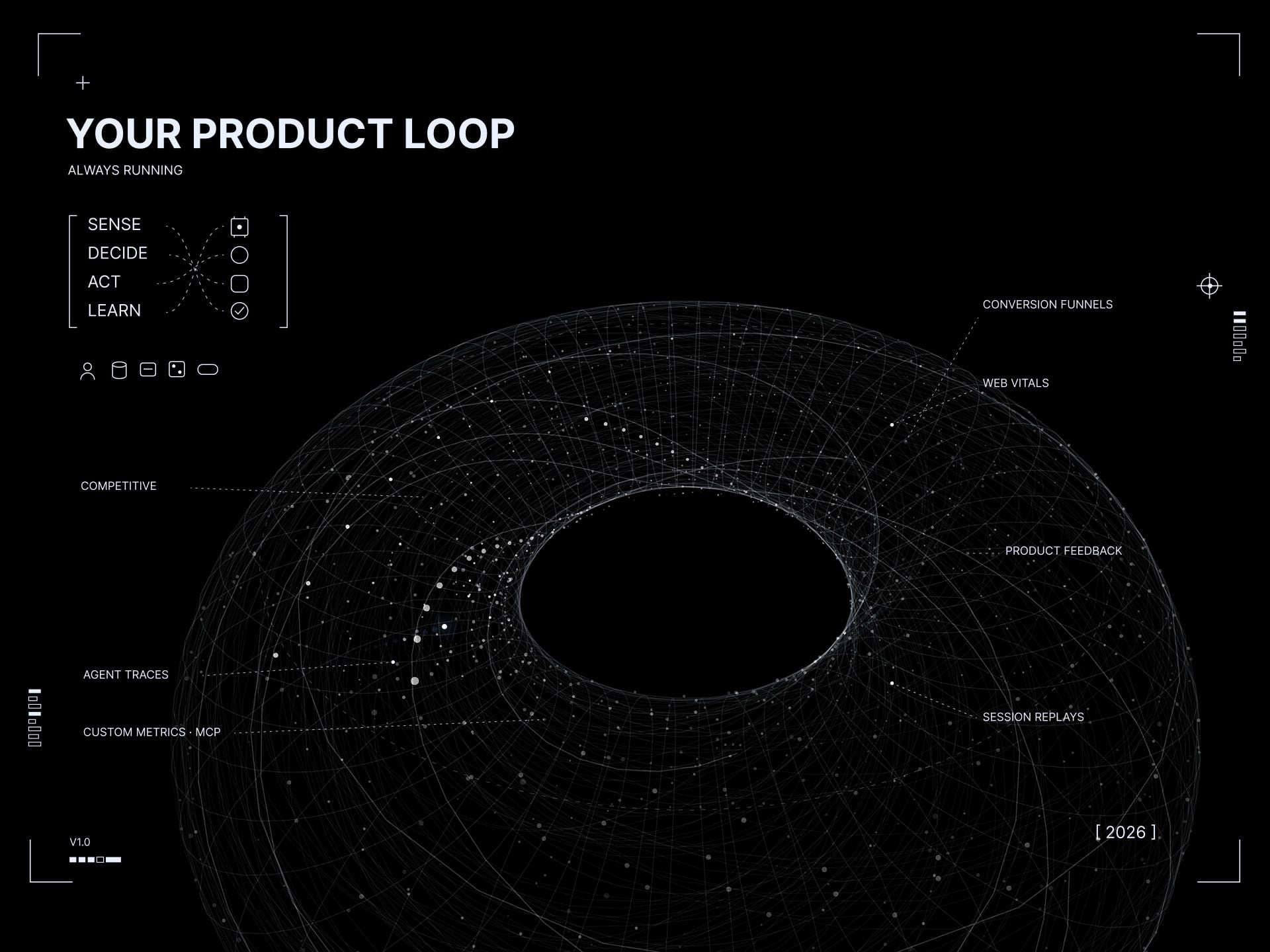
When my team asks what we should build next, I don’t want opinions—I want a signal strong enough to guide strategy, align execution, and prove impact. That’s why I’ve become deeply interested in how a proactive product agent can synthesize behavioral analytics, opportunity sizing, and rapid iteration to move us from guesswork to grounded decisions.
Discover Amplitude Wave, a proactive product agent that surfaces opportunities, ships improvements, and helps teams build self-improving products with AI.
What makes this approach compelling isn’t just the AI; it’s the system design around it. A product agent needs high-quality event data, clear success metrics, and a closed-loop workflow—from surfacing opportunities to validating them and shipping improvements. Tools such as Amplitude analytics make it possible to observe user behavior at scale, while agentic AI elevates those observations into prioritized, actionable recommendations.
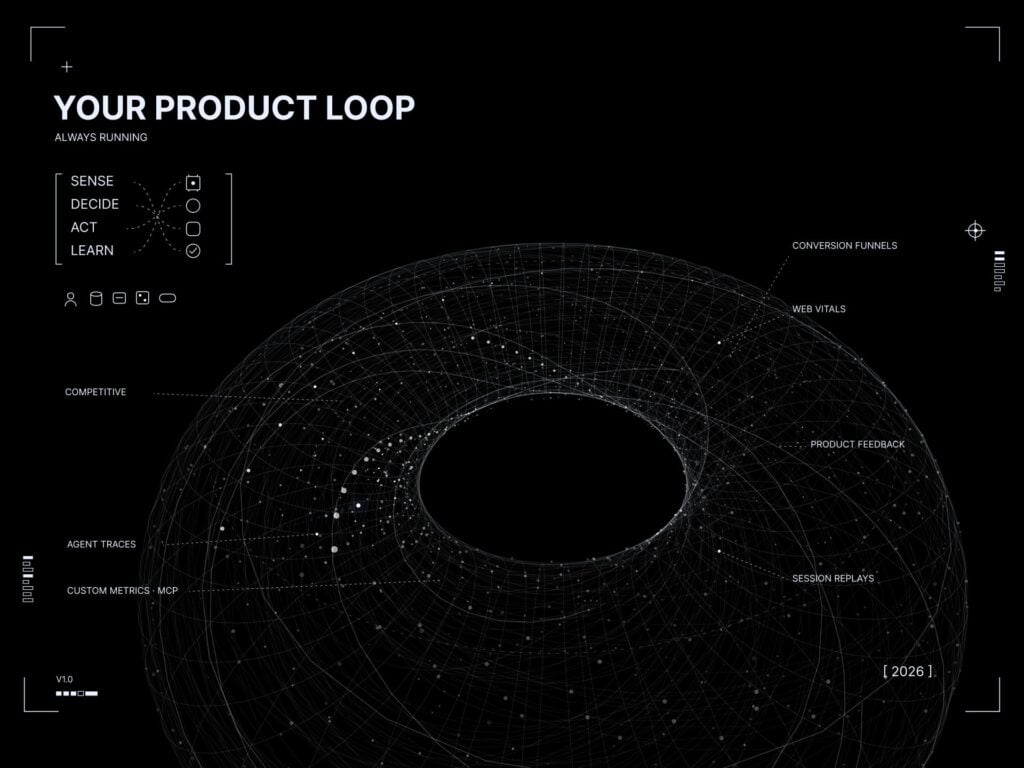
In practice, I frame the workflow like this: the agent continuously scans funnels, cohorts, and journeys for friction; proposes the next-best improvement; validates the idea through A/B testing; and deploys behind feature flags for safe rollout. The loop doesn’t end at launch—the agent monitors impact on activation, retention analysis, and downstream revenue so we can double down on what works and retire what doesn’t.
This shift is bigger than a tool; it’s a mindset. Instead of shipping outputs, we commit to outcomes, aligning product strategy and outcomes vs output OKRs with what customers actually do, not just what they say. Continuous discovery becomes the operating system for empowered product teams and product trios, where insights translate into experiments, and experiments roll into durable capabilities.
From an implementation standpoint, I start with instrumentation and modeling. Define clear events, map them to user and account journeys, and set guardrails for data governance and privacy-by-design. Then, connect your experimentation engine and CI/CD so ideas flow straight into controlled tests. When the agent can reason over opportunity sizes, risk, and confidence—ideally with eval-driven development—it earns the right to recommend the next build with conviction.
Equally important is governance. AI risk management matters: set policies around data use, review thresholds for automated changes, and human-in-the-loop checkpoints for high-impact decisions. The right blend of automation and oversight keeps velocity high without sacrificing quality or trust.
I’ve applied this blueprint to onboarding, activation, and expansion journeys. In one case, the agent highlighted an unexpected drop-off tied to a confusing configuration step. We introduced targeted in-app guides and tooltips, shipped behind feature flags, and saw a material uplift in activation with minimal engineering lift. That’s the promise: smaller, smarter bets that compound.
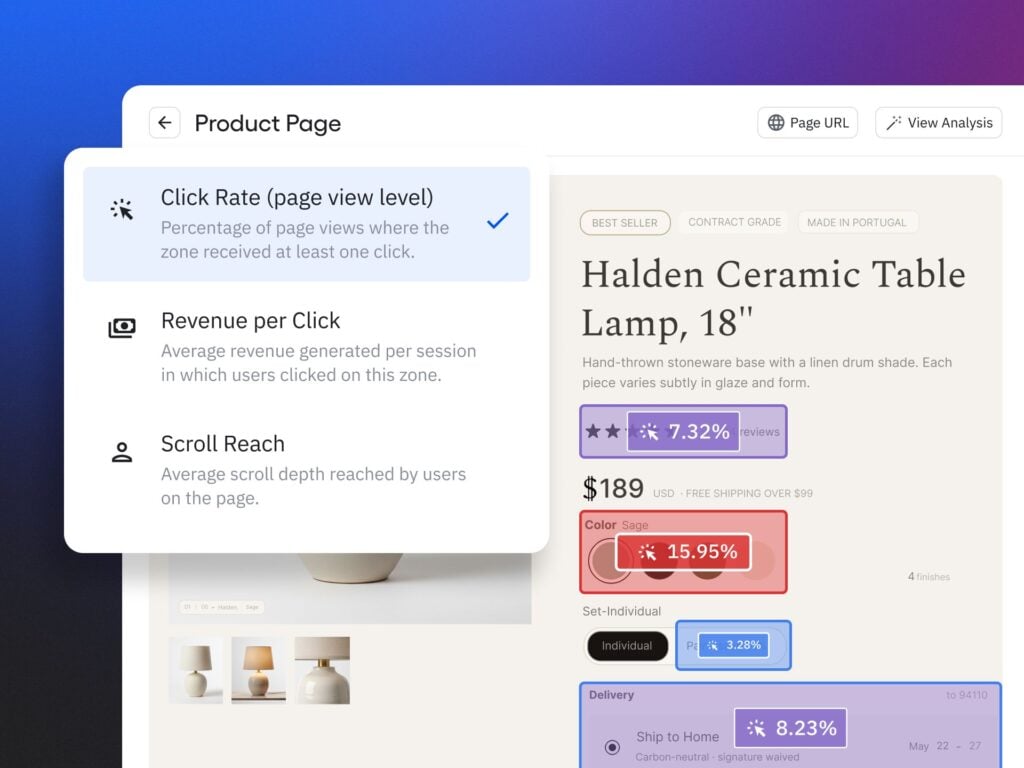
When I evaluate solutions in this space, I look for deep behavioral analytics, seamless experimentation, and interoperability with the broader stack—think CRM integration, session replay, and support systems—so we can quantifiably connect product changes to customer value and go-to-market impact. The result is a self-improving product engine that reliably answers the question we care about most: what should we build next, and why?
If you’re exploring this path, start by clarifying the outcomes you want to move, then wire your data and experimentation loop so an agent can operate with confidence. With the right foundation, a system like Amplitude Wave doesn’t just find opportunities—it helps your team ship improvements that compound into product-led growth.
Inspired by this post on Amplitude – Best Practices.



Leave a Reply