

I’ve spent the last few years guiding teams as we bring AI agents into real customer workflows, and I’ve learned that success isn’t about hype—it’s about disciplined product thinking. The payoff is huge when you get it right: faster execution, lower costs, and happier customers. The path there, however, requires clarity, tight scope, robust guardrails, and relentless iteration.
AI agents will completely change the way you work, but they’re still tools that need to be learned. Discover five best practices for getting started with AI agents.
First, I anchor our AI Strategy to a single, measurable outcome. Before writing a prompt or choosing a model, I define the job-to-be-done and the success metric that proves value—think lead response time, first-contact resolution, or “time-to-first-value.” This outcome framing is how I assess AI readiness: we translate a business goal into a scoped workflow, identify the required data, and write down constraints. It keeps us from building cool demos that never move a KPI.
Second, I start small with one high-signal, repeatable workflow. I look for processes with clear inputs and outputs where the agent can be judged objectively—triaging support tickets, qualifying inbound leads, or summarizing account notes. Then I wire a retrieval-first pipeline that brings only the most relevant knowledge into the context window, reducing hallucinations and speeding responses. If the workflow touches systems of record, I begin with read-only CRM integration and gradually add actions once the agent proves reliable.
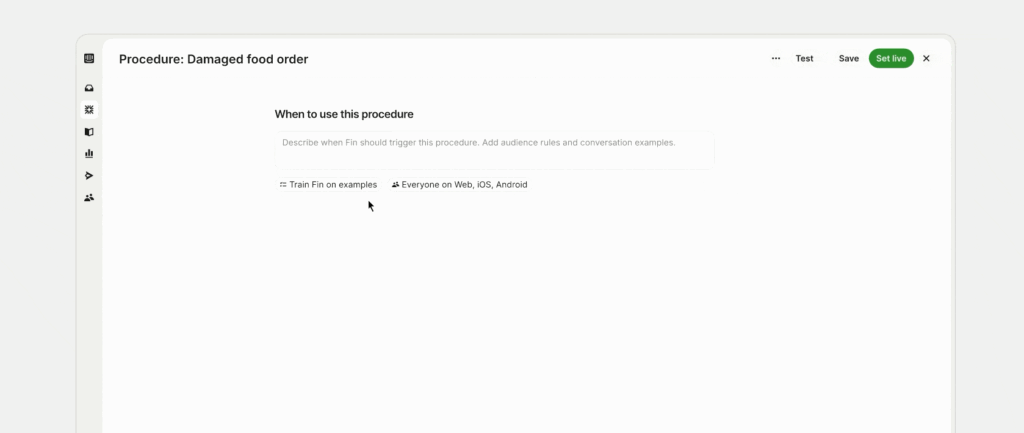
Third, I design the agent’s capabilities with intentional prompt engineering and tool use. I document the system role, constraints, and escalation paths, and I give the agent a small, explicit tool catalog instead of an all-you-can-eat toolbox. When appropriate, I standardize tool invocation with Model Context Protocol (MCP) so the agent can call reliable functions consistently across services. This keeps behavior predictable and auditable as we expand AI workflows.
Fourth, I bake in AI risk management from day one. That means privacy-by-design, clear data governance, and eval-driven development with regression tests for safety, accuracy, and bias. I log every agent action for observability, add rate limits and timeouts, and use risk scoring to gate high-impact operations. When the agent is uncertain or the stakes are high, it escalates to a human by default. These guardrails earn stakeholder trust and prevent fire drills later.
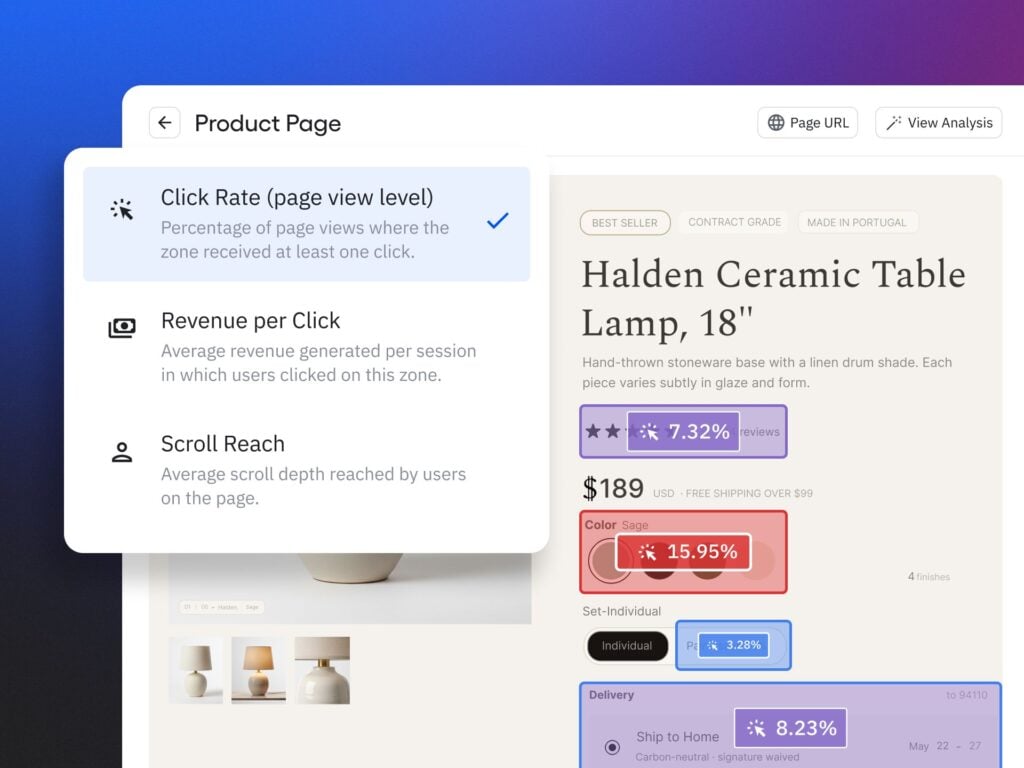
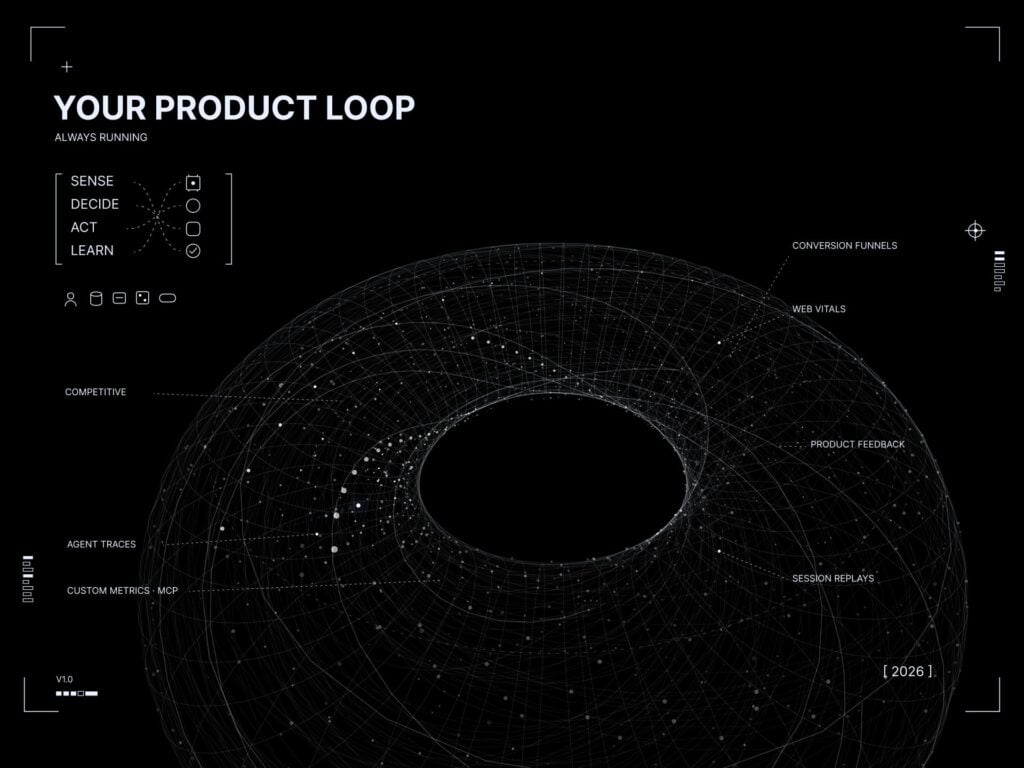
Fifth, I measure, learn, and scale with evidence. I run A/B testing on prompts and tools, track minimum detectable effect (MDE) to size experiments, and monitor Agent Analytics for precision, latency, containment, and handoff quality. I pair these with outcomes vs output OKRs so the team focuses on real results, not feature counts. When the metrics hold steady in production, I broaden the scope to adjacent tasks and raise autonomy in small, safe increments.
On the team side, I organize product trios (PM, design, engineering) with a continuous discovery cadence. We review conversation transcripts weekly, capture failure modes, and turn them into test cases. A lightweight docs-as-code approach keeps prompts, tools, and evals versioned, so we can roll forward and back without drama. This is how we move fast without breaking trust.
If you’re just starting, pick one workflow, set a clear metric, instrument it end to end, and let your evals and users teach you where to go next. Agentic AI rewards focus and discipline. The moment you see an agent reliably shave hours off a process—or rescue an interaction at 2 a.m.—you’ll know the investment is compounding.
Inspired by this post on Amplitude – Perspectives.



Leave a Reply