

Vibe marketing can electrify a brand, but it can also derail a strategy if it outruns the fundamentals. I have seen campaigns with breathtaking creative fall flat because the message had no anchor in product truth, no measurable goals, and no operational guardrails. In this installment, I share the patterns I watch for, the diagnostics I run, and the AI tools I use to keep the vibe aligned with outcomes.
Learn how to avoid the five most common mistakes in vibe marketing to have more success with AI marketing tools.
At its best, vibe marketing translates product positioning and value proposition into an emotional signal customers immediately recognize. At its worst, it becomes mood without meaning. The difference is disciplined product management: clear go-to-market strategy, outcomes vs output OKRs, rigorous A/B testing, and a feedback loop that connects creative choices to customer behavior.
Mistake 1: Mistaking mood for strategy. Early drafts often lean on catchy lines or trending aesthetics that don’t map to customer jobs-to-be-done or competitive differentiation. When I feel that drift, I force the team to articulate the core product promise, restate the positioning, and tie each headline to a measurable outcome. If a message cannot be traced to a specific hypothesis, audience, and metric, we rewrite it before it ships.
Mistake 2: Chasing trends instead of customer truth. Vibes built on whatever is viral this week rarely compounding learnings. I push for continuous discovery with interviews, in-product surveys, and sentiment analysis, then let gen ai generate multiple narrative variants grounded in actual quotes and objections. We evaluate with A/B testing and an explicit minimum detectable effect so we don’t declare victory on noise. That keeps our experimentation eval-driven, not anecdote-driven.
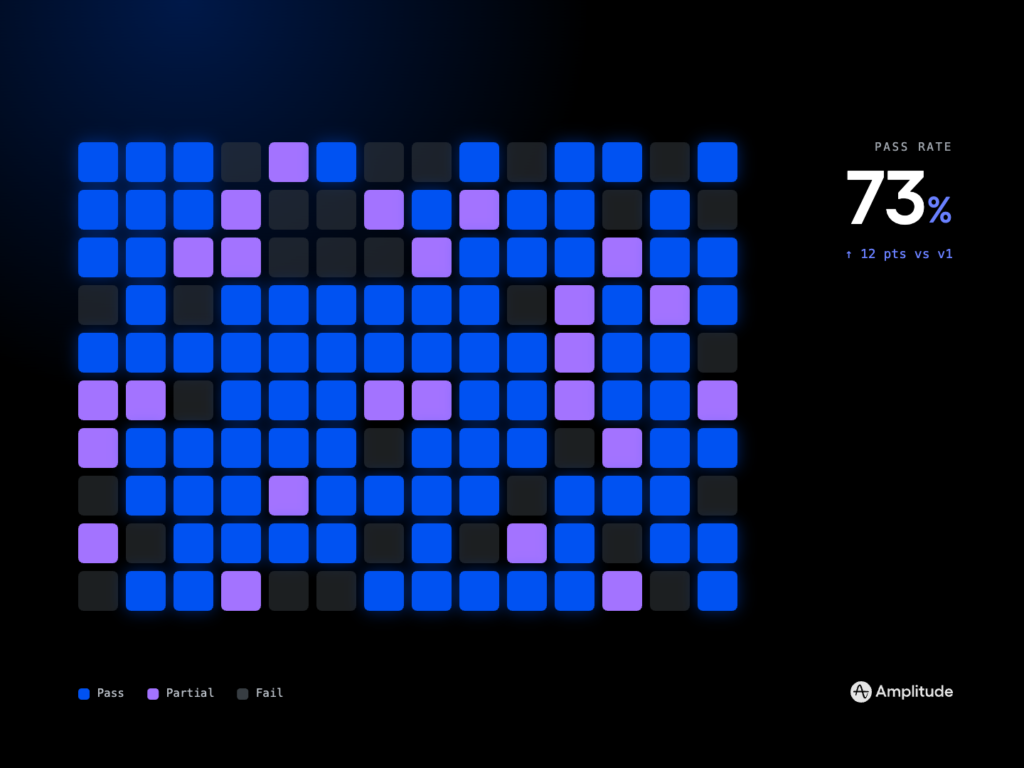
Mistake 3: Measuring vanity, not meaning. Reach and likes can be directional, but I optimize for activation, time-to-value, retention analysis, and conversion lift across the funnel. I instrument journeys in a unified analytics platform with Amplitude analytics and CRM integration so we can connect vibe exposure to outcomes. If the creative lifts click-through but hurts downstream activation, it’s not working—no matter how cool it looks.
Mistake 4: One vibe for every segment and channel. Audiences experience value differently, so the same creative rarely works in ads, landing pages, and in-app guides. I use LLMs for product managers and CustomGPT workflows to adapt the message by segment and stage, then validate with product tours, in-app prompts, and targeted lifecycle emails. The goal is coherence, not uniformity: a consistent story tuned to the context where decisions happen.
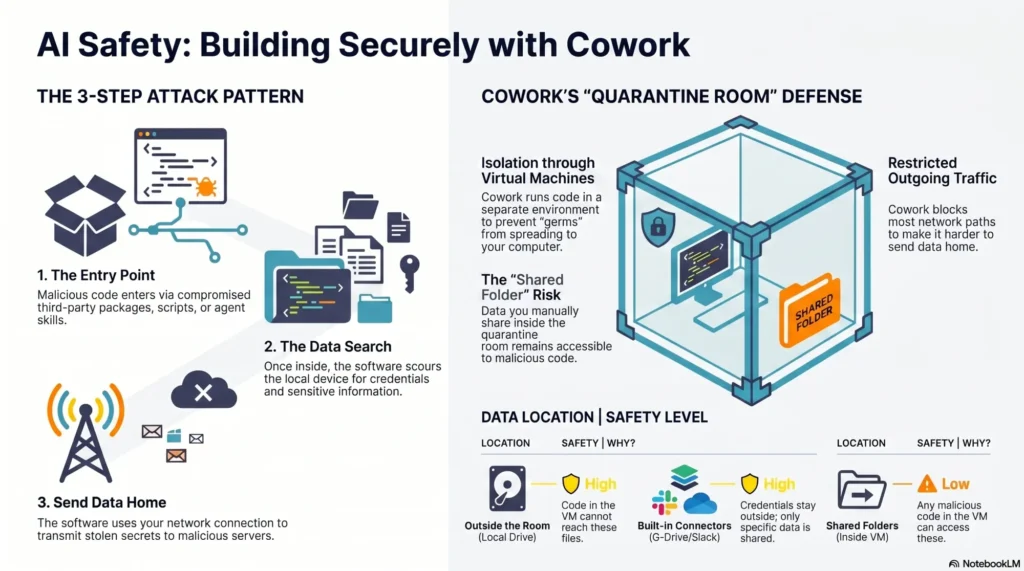
Mistake 5: Unbounded AI experimentation. Without AI risk management and data governance, teams can unintentionally ship off-brand or non-compliant copy. I set privacy-by-design standards, define approval thresholds, and establish context window management so models stay on-brief and on-policy. We log generations, review outputs against brand guidelines, and use retrieval to ground messaging in approved claims.
My practical playbook is simple: define the hypothesis tied to positioning, generate creative options with gen ai, pre-qualify with qualitative feedback, run A/B tests with clear success criteria, and iterate only on variants that move a business metric. Product trios align weekly on learnings so marketing signals and product-led growth motions reinforce each other. When the vibe matches the value and the data, momentum compounds.
Vibe marketing is not the opposite of rigor; it is rigor expressed emotionally. With the right AI strategy, measurement discipline, and governance, the creative spark becomes a durable advantage—and your brand earns the right to keep the spotlight.
Inspired by this post on Amplitude – Perspectives.





Leave a Reply