
AI isn’t a side quest for product managers anymore—it’s the skill stack that will define how we discover problems, prototype solutions, and ship value in 2026. Over the last few cycles, I’ve watched teams that embrace AI Strategy outperform on speed, signal, and stakeholder confidence. This roadmap is the approach I use to build capability in a structured, outcome-driven way—so we ship smarter, faster, and more impact-driven products.
"AI for PMs in 2026: why it matters, what to learn, and a 12-month AI roadmap to master product skills and ship smarter, faster, impact-driven products."
Here’s how I frame what to learn and why: focus on enduring capabilities first (problem discovery, experimentation, ethics), then layer the AI product toolbox (LLMs for product managers, retrieval-first pipeline patterns, AI workflows), and finally operationalize with outcomes vs output OKRs. The goal isn’t to sprinkle gen ai on everything—it’s to make better decisions, reduce cycle time, and unlock product-led growth in measurable ways.
Months 1–3: Foundations. I build literacy around model behavior and constraints, context window management, and prompting patterns. I pair this with data governance and privacy-by-design basics so we avoid rework later. Practically, I assemble an AI product toolbox (evaluation checklists, prompt libraries, retrieval-first pipeline templates) and apply them to product discovery—summarizing research, clustering feedback, and sharpening value propositions without losing critical nuance.
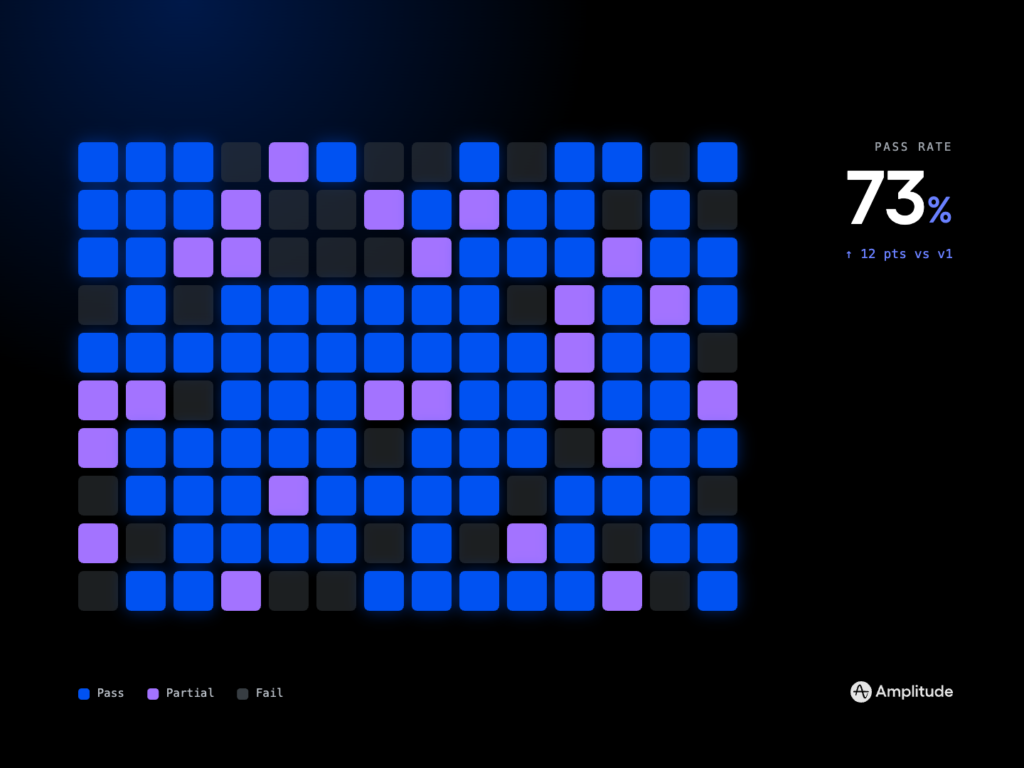
Months 4–6: Prototyping and evaluation. This is where ideas become testable artifacts. I use gen ai for product prototyping to create UX mocks, PRDs, and in-app guides rapidly, then validate with eval-driven development. I run lean experiments (A/B testing with a clear minimum detectable effect), wire up analytics to Amplitude, and track activation and retention signals. The mantra: instrument early, measure causally, and iterate based on evidence.
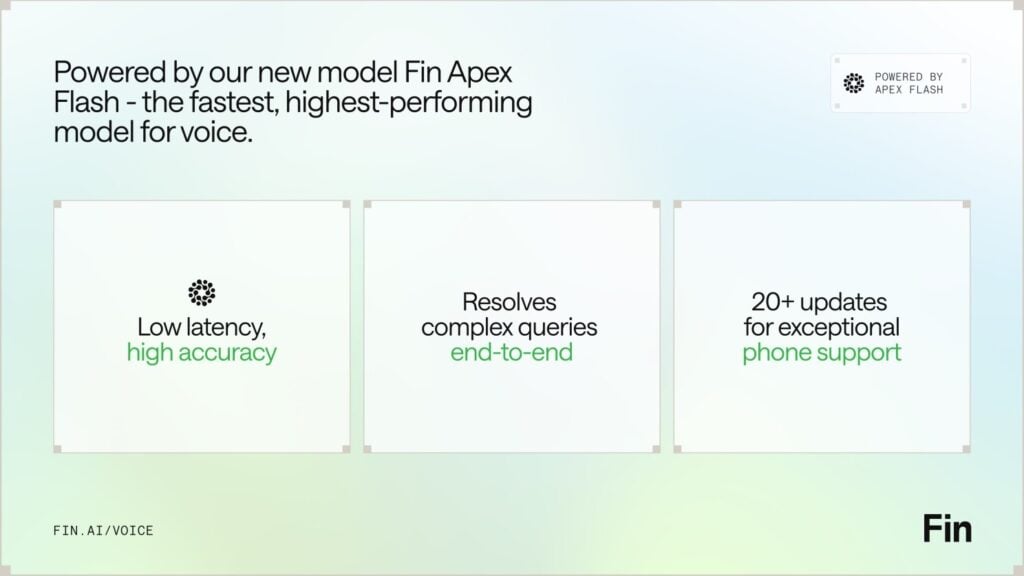
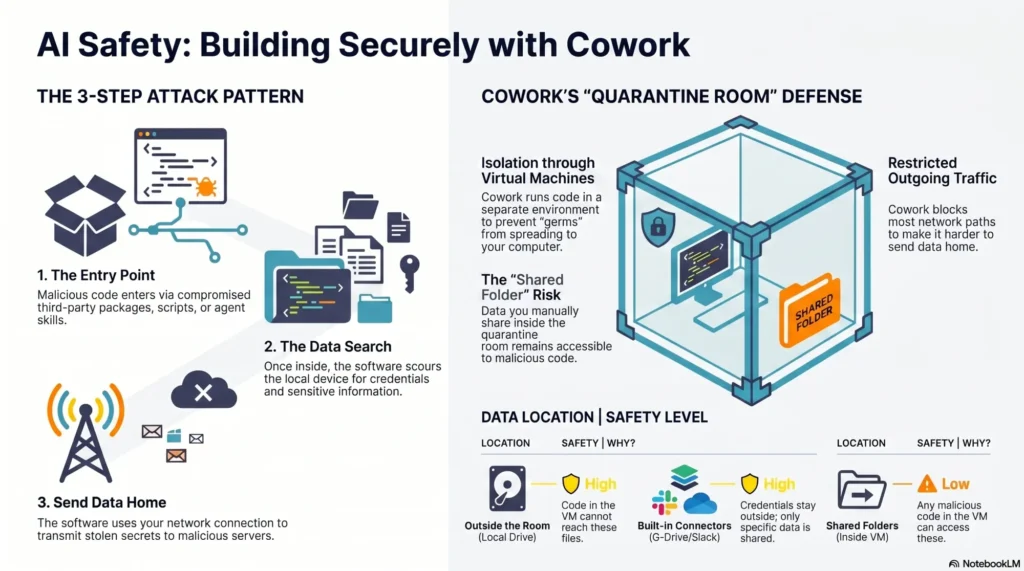
Months 7–9: Shipping AI-enabled workflows. I partner with product trios to integrate AI into real user journeys—customer support ai strategy, CRM integration, and guided onboarding are common wins. We explore agentic AI for complex multi-step tasks, add safeguards for AI risk management, and pressure-test systems with threat detection and response playbooks. As features reach production, we monitor deployment frequency and tighten feedback loops to protect quality while accelerating learning.
Months 10–12: Scale and governance. I operationalize what works with product roadmapping and sprint planning aligned to outcomes vs output OKRs. We codify playbooks for continuous discovery, define eval gates for new AI features, and unify analytics so teams can compare lift apples-to-apples. Stakeholder management matures into clear narratives: what shipped, what moved, what’s next—so leadership sees compounding value, not just activity.
Throughout the year, I keep the focus on real users and real metrics: fewer hops from insight to iteration, tighter loops between problem and prototype, and crisper communication around trade-offs. The result is a team that can translate AI capabilities into differentiated product experiences—reliably and responsibly. If you follow this path, you’ll enter 2026 with the confidence to lead, the systems to scale, and the evidence to prove it.
Inspired by this post on Product School.




Leave a Reply