
I’ve spent the last few years weaving AI into core product workflows, and the pattern is clear: when we pair disciplined product thinking with pragmatic AI Strategy, growth compounds. The question I hear most isn’t if AI can help, but where to begin and how to de-risk the journey while moving fast.
AI for business growth starts with one of these six strategies. See how companies use AI to unlock revenue, cut costs, and scale smarter and faster.
1) Revenue acceleration with unified customer intelligence. I start by connecting behavioral analytics and CRM integration to a unified analytics platform, then layer a retrieval-first pipeline so large language models can surface high-intent accounts, churn signals, and next-best actions. With Amplitude analytics and A/B testing, we validate AI-driven playbooks for upsell, cross-sell, and win-back—turning insights into measurable lift rather than novelty.
2) Cost reduction through targeted automation. Not all automation yields the same outcome. I look for repetitive, high-volume processes where quality is easy to verify—customer support ai strategy with AI-assisted deflection, accounts payable automation, and security workflows like threat detection and response. Combining agentic AI with clear guardrails reduces handle time, frees teams for higher-value work, and keeps error rates within acceptable thresholds.
3) Faster time-to-market via eval-driven development. Speed without signal is noise. I lean on eval-driven development to instrument models, measure drift, and tighten CI/CD loops. We track DORA metrics like deployment frequency while using gen ai for product prototyping to compress discovery and delivery. Frameworks and tools such as Claude Code help engineers iterate safely behind feature flags so we can ship learning, not just code.
4) Personalization that drives activation and retention. Growth sticks when onboarding is contextual. I use in-app guides, product tours, and thoughtful tooltip design powered by LLMs for product managers to tailor the first-run experience. With retention analysis and outcomes vs output OKRs, we align personalization with the moments that matter—activation, habit formation, and expansion.
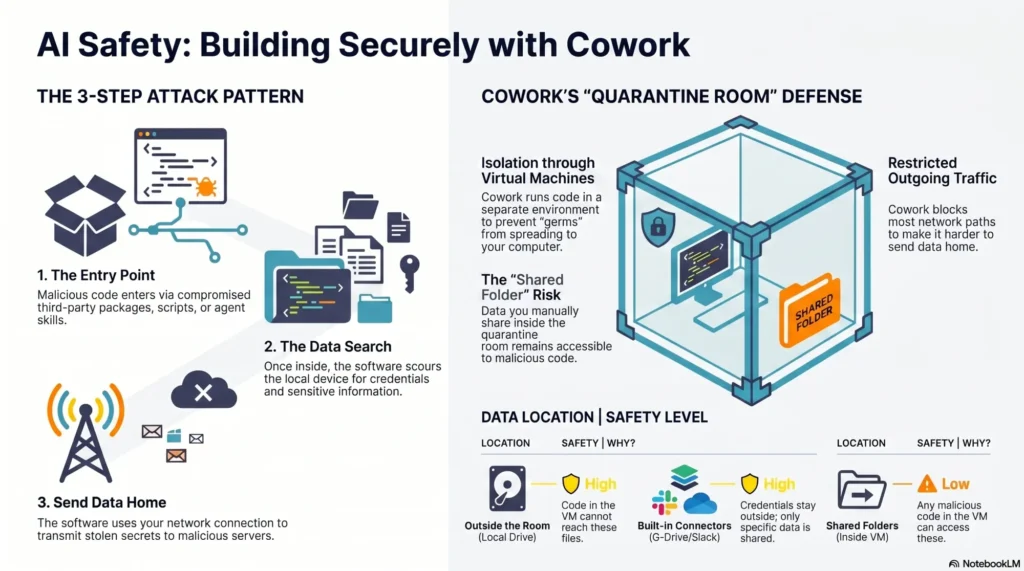
5) Trust-by-design to scale responsibly. AI risk management, privacy-by-design, and data governance are not afterthoughts; they are growth enablers. By defining policy, red-teaming prompts, and practicing context window management, we reduce rework, limit incident management, and maintain compliance across markets. Clear review gates make it easier to say yes to more AI use cases without compromising customer trust.
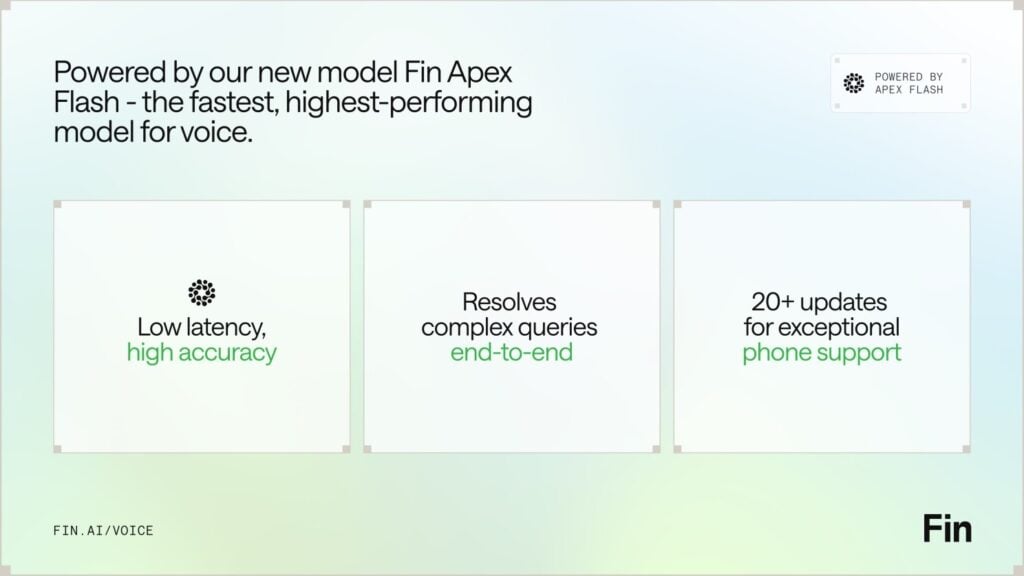
6) Voice and agent experiences that feel like product, not add-ons. When prompt engineering for voice and voice AI agent patterns are integrated into the core journey—guided onboarding, smart handoffs, proactive notifications—engagement rises. Agent Analytics turns conversations into product signals we can act on in roadmapping and sprint planning, closing the loop between user intent and product improvement.
My playbook for getting started is simple: pick one revenue and one efficiency use case, define success upfront, and ship a narrowly scoped MVP with robust analytics. Use continuous discovery with product trios to refine prompts, data sources, and experience design. Then scale what works, retire what doesn’t, and let evidence—not hype—set the roadmap.
If you’re evaluating where to apply gen ai next, these six lanes offer fast paths to impact without sacrificing governance or customer trust. The companies I’ve seen win treat AI as a capability within the product, not a separate project—and they measure it with the same rigor they use for any critical feature.
Inspired by this post on Product School.






Leave a Reply