
I’ve learned the hard way that features don’t win on their own—clear, consistent messaging does. When our teams at HighLevel rally around a single product messaging framework, we move faster, tell one story, and connect with customers in a way that actually converts. The right framework doesn’t just make marketing sharper; it aligns product, sales, and customer success on what we promise, why it matters, and how we prove it.
When I say “product messaging framework,” I mean a structured system that defines who we serve, the problems we solve, the outcomes we enable, and the value proposition that sets us apart. It includes points of parity that establish table stakes, differentiation that creates competitive separation, and proof points that make our claims credible. It maps features to benefits, organizes a messaging hierarchy from company to product to feature, and guides voice, tone, and lexicon so UX writing and go-to-market strategy stay consistent across channels.
Why does this matter? Because clarity reduces friction for buyers, consistency builds trust, and customer connection drives conversion and retention. A strong framework accelerates product discovery, strengthens product positioning, and improves onboarding and user activation. It also makes product-led growth repeatable by ensuring every touchpoint—from website to in-app guides—reinforces the same value proposition.
Here’s how I build a framework that stands up in the real world. I start with customer research and win/loss analysis to anchor on the ideal customer profile and jobs-to-be-done. I craft a positioning statement that articulates the target, problem, category, differentiation, and payoff. Then I define value pillars, each with concrete reasons to believe—customer quotes, data, and feature proof. I document points of parity and differentiation, map features to benefits and outcomes, and codify voice and terminology to keep UX writing tight. Finally, I build a messaging hierarchy (company, product, feature, segment) and an objection-handling guide so sales and support are equipped to respond consistently.
A simple litmus test keeps me honest: can a salesperson deliver a crisp elevator pitch, can a PM write a release note, and can a designer craft an in-app tooltip—all from the same source of truth? If yes, the framework is doing its job. If not, I iterate until the story is simple, believable, and memorable.
Operationalizing the framework is where impact compounds. I enable product trios and go-to-market teams with talk tracks, one-pagers, narrative decks, and a living glossary. I translate the framework into site copy, product tours, onboarding flows, and help content so customers experience the same story everywhere. I also thread it into product roadmapping and sprint planning to keep prioritization aligned with the core value proposition.
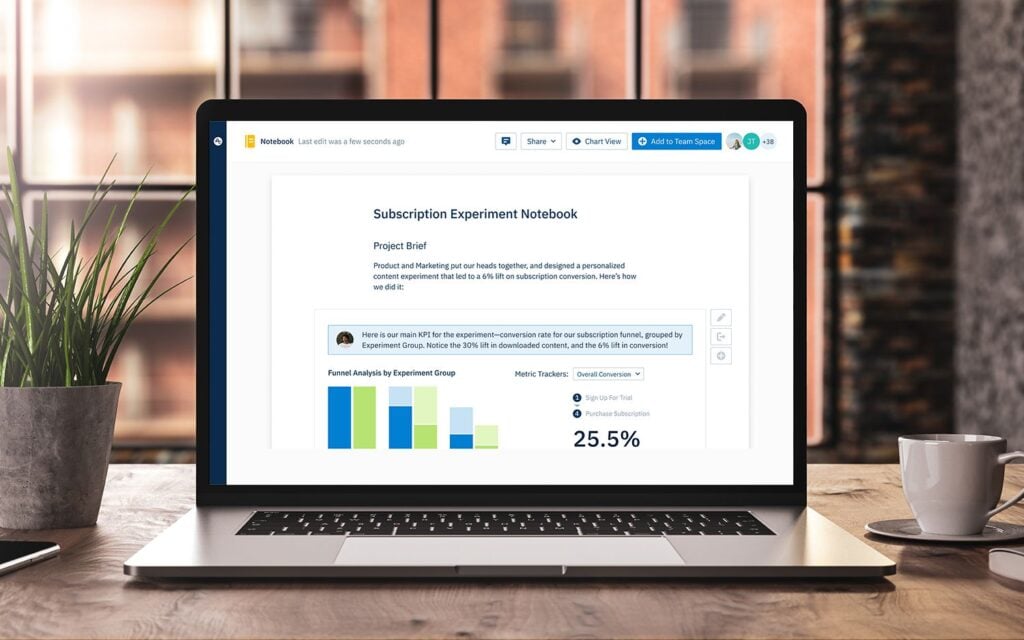
I measure what matters and refine relentlessly. I use A/B testing to validate headlines and calls to action, monitor activation and conversion across segments, and review retention analysis to see which value pillars correlate with long-term use. Feedback loops from sales calls, support tickets, and customer interviews feed back into the framework so it evolves with the market.
There are predictable pitfalls I try to avoid. Going feature-first instead of outcome-first makes messaging forgettable. Overselling differentiation without points of parity undermines credibility. Spreading across too many personas dilutes signal. And inconsistent tone across channels confuses buyers. A disciplined framework helps prevent all of these.
Treat your product messaging framework as a living system, not a slide. Revisit it when the market shifts, when your roadmap unlocks new value, or when your go-to-market strategy evolves. The payoff is real: tighter alignment, sharper positioning, faster execution, and a customer story that consistently earns attention—and conversion.
Inspired by this post on Product School.










Leave a Reply