
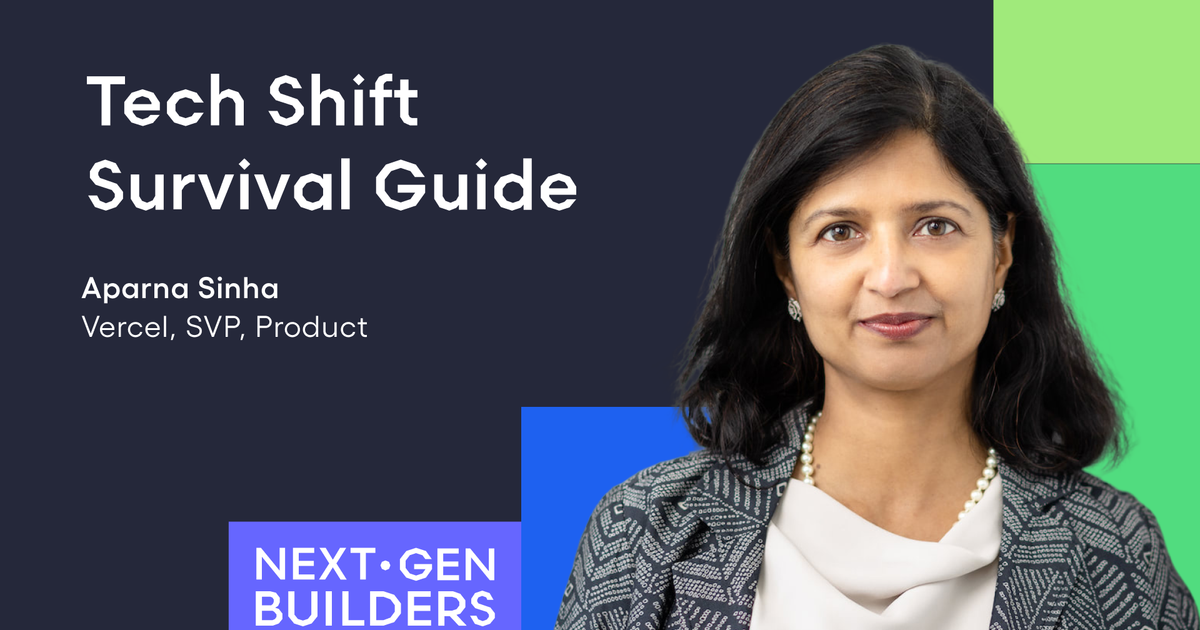
I’ve spent the past few years building in what often feels like an AI tornado—intense velocity, shifting requirements, and unforgiving expectations for security and quality. When I think about how to turn that chaos into momentum, I’m reminded of a guiding prompt: "Learn how Aparna Sinha, SVP of Vercel, builds in the AI tornado quickly and securely. Aparna shares her practical advice for builders everywhere." That mandate resonates with how I lead product teams to move decisively while protecting our customers and our brand.
In practice, building quickly and securely starts with clarity. I anchor the team on a crisp value proposition, define outcomes over output, and align product discovery with a tight feedback loop. We plan with product roadmapping and sprint planning that front-loads risk: data governance, threat modeling, and privacy-by-design are non-negotiable guardrails. This lets us unlock developer velocity without compromising trust—precisely the balance elite product management leadership aims to achieve.
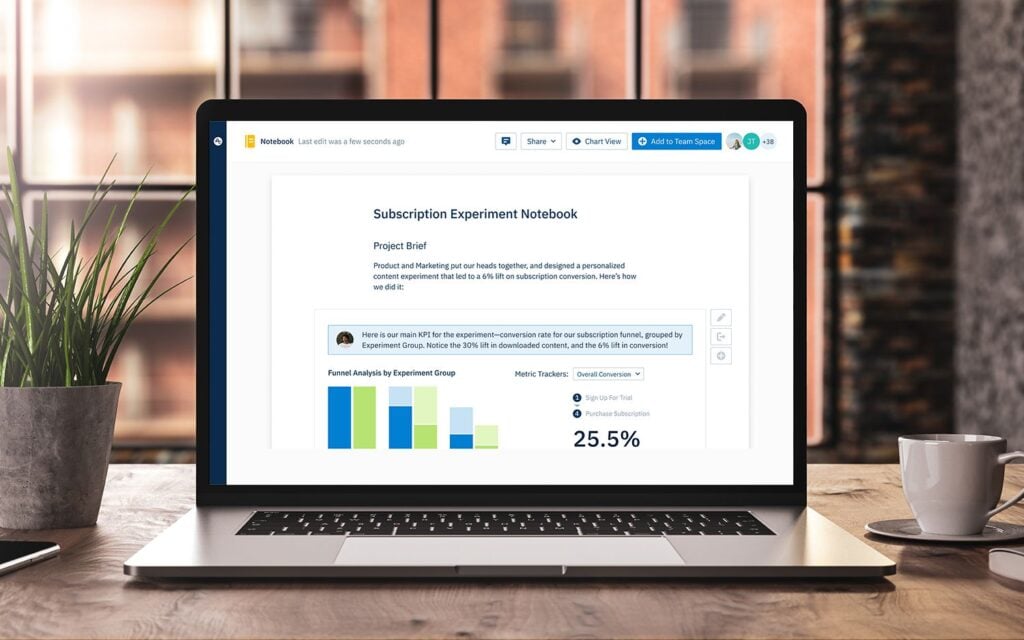
On the execution side, I use lightweight gen ai experiments to accelerate insight and reduce uncertainty. For gen ai for product prototyping, we spin up narrow, testable slices that validate feasibility, usability, and safety in parallel. Two-week iteration cycles, clear exit criteria, and a secure-by-default posture keep us honest. We instrument a unified analytics view to measure real outcomes, then double down where signal is strongest and deprecate what doesn’t move the needle.
Team topology matters just as much as process. I empower product trios to own customer value end-to-end, pair forward deployed engineers with design and PM for rapid discovery, and practice developer evangelism to amplify adoption patterns early. This creates the foundation for product-led growth: a self-reinforcing loop where users teach us what to build next, and we respond with precision. Strong stakeholder management keeps go-to-market aligned so we can scale learnings into repeatable wins.
Security is everyone’s job, not a final checklist. We embed data governance and compliance considerations from day one—so speed becomes sustainable, not reckless. The outcome is a product culture that moves fast with conviction: disciplined experimentation, clear decision frameworks, and a shared commitment to quality.
If you’re building in the AI tornado, focus on three levers: sharpen outcomes (what matters), reduce uncertainty (prove it fast), and codify trust (bake in safety). Do this consistently, and your team will ship faster with fewer reversals—while compounding credibility with customers and the market.
Inspired by this post on Amplitude – Perspectives.









Leave a Reply