

When I see a drop‑off curve flattening our growth, I don’t panic—I get curious. Drop‑off is a signal, not a failure, and with the right workflow it becomes one of the fastest paths to unlocking activation, retention, and product‑led growth.
Understanding user behavior is the foundation of every great product. Here’s how to start doing that with Amplitude.
I start by defining the journey that matters most: the path from first touch to first value. That means choosing a clear activation milestone, articulating the “aha” moment, and writing down the specific questions I need Amplitude to answer—where users hesitate, which segments suffer most, and what behaviors correlate with long‑term success.
Before analysis, I ensure the instrumentation is trustworthy in Amplitude analytics. I align on an event taxonomy, enforce data governance and naming conventions, and attach the right properties (channel, plan, device, role). Clean, consistent data is non‑negotiable—without it, you’re optimizing noise.
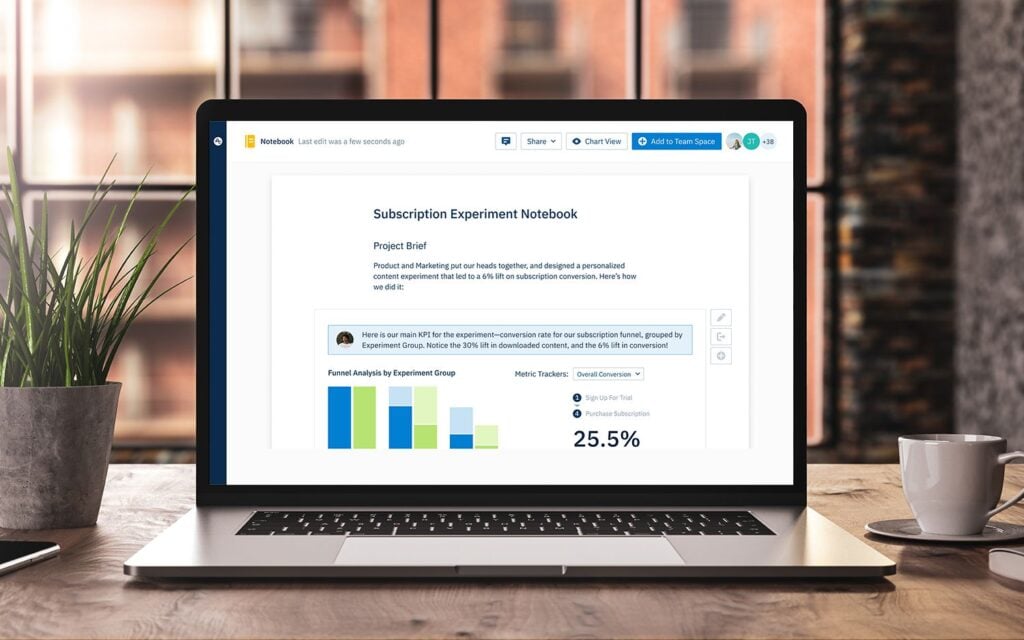
Next, I build a simple funnel in Amplitude: sign‑up → verification → setup → first key action. I compare conversion and drop‑off by acquisition channel, device, geo, plan, and cohort. This immediately reveals friction points and clarifies whether the problem is message‑market fit, onboarding, or feature discoverability.
To go beyond the first click, I pair funnels with retention analysis and pathing. I review day‑1/7/30 retention, unbounded retention, and lifecycle stages, then cohort users who hit the “aha” versus those who don’t. The contrast tells me which behaviors predict durability and where a timely nudge can change the trajectory.
Insights only matter if they drive action. I translate each friction point into a targeted onboarding improvement: in‑app guides to nudge setup, product tours that surface the core value proposition, and thoughtful tooltip design at moments of uncertainty. For product‑led growth, I prioritize small, testable changes over wholesale redesigns.
Execution is a team sport. Product trios work with forward deployed engineers and customer support to ship experiments quickly. We schedule them in product roadmapping and sprint planning, and measure impact with shared dashboards in our unified analytics platform. That alignment empowers product teams to move fast without guessing.
If you only have an hour, here’s my quick start: connect your data, define 4–6 events that describe the activation path, build a funnel from sign‑up to first value, segment by new versus returning users, and pick one high‑impact experiment to run this week. Close the loop with lightweight product discovery interviews to validate the why behind the numbers.
Drop‑off isn’t a verdict—it’s a map. Use Amplitude to trace where users hesitate, meet them with timely guidance, and iterate until the journey feels effortless.
Inspired by this post on Amplitude – Best Practices.









Leave a Reply