

I hear the same question in nearly every executive review and go-to-market strategy session: how do we get our brand to show up more often inside ChatGPT? As a product leader, I treat this as an AI Strategy problem, not a mystery. The path forward looks a lot like modern SEO, adapted to how large language models (LLMs) discover, trust, and summarize information across the web and via tools.
Understand how ChatGPT works and how to make your brand appear more often. Like SEO, but for AI chats.
First, let me set expectations. We can’t force mentions, but we can systematically raise the probability that an LLM chooses our content as a trusted source. My playbook centers on three levers: strengthen your public footprint (so you’re easy to learn from), amplify trustworthy signals (so you’re chosen), and enable high-fidelity retrieval and actions (so you’re accurate and current when the model reaches out).
Public footprint: I build topical authority around the entity that is our brand. That means canonical naming, clean information architecture, and interlinked explainers, how-tos, and case studies that answer real tasks. I use schema.org (Organization, Product, HowTo, FAQPage) to make our pages machine-readable, and I back claims with credible citations. Think of this as “entity-first content design” for gen ai and LLMs for product managers.
Content design for LLMs: I write like I’m teaching a capable assistant. I define acronyms in-line, structure pages with crisp headings, include concise summaries up top, and add Q&A sections that mirror natural prompts. I avoid heavy gating on foundational docs so models can ingest the essentials. I also optimize for context window management by keeping key facts succinct and repeated consistently across properties.
Authority and distribution: Models overweight high-credibility surfaces. I prioritize documentation, API references, GitHub repos, conference talks, reputable media, and third‑party reviews. Where appropriate, I pursue eligibility for knowledge bases (e.g., Wikidata) and ensure consistent facts across partner sites and directories. This isn’t about gaming; it’s about being verifiably useful wherever professionals already look.
Technical hygiene: I keep robots.txt and sitemaps friendly to docs, ensure semantic HTML, fast performance, and rich alt text, and use canonical tags to concentrate signals. Changelogs, release notes, and comparison pages help LLMs answer "what’s new" and "versus" questions with precision—core to product positioning and product-led growth.
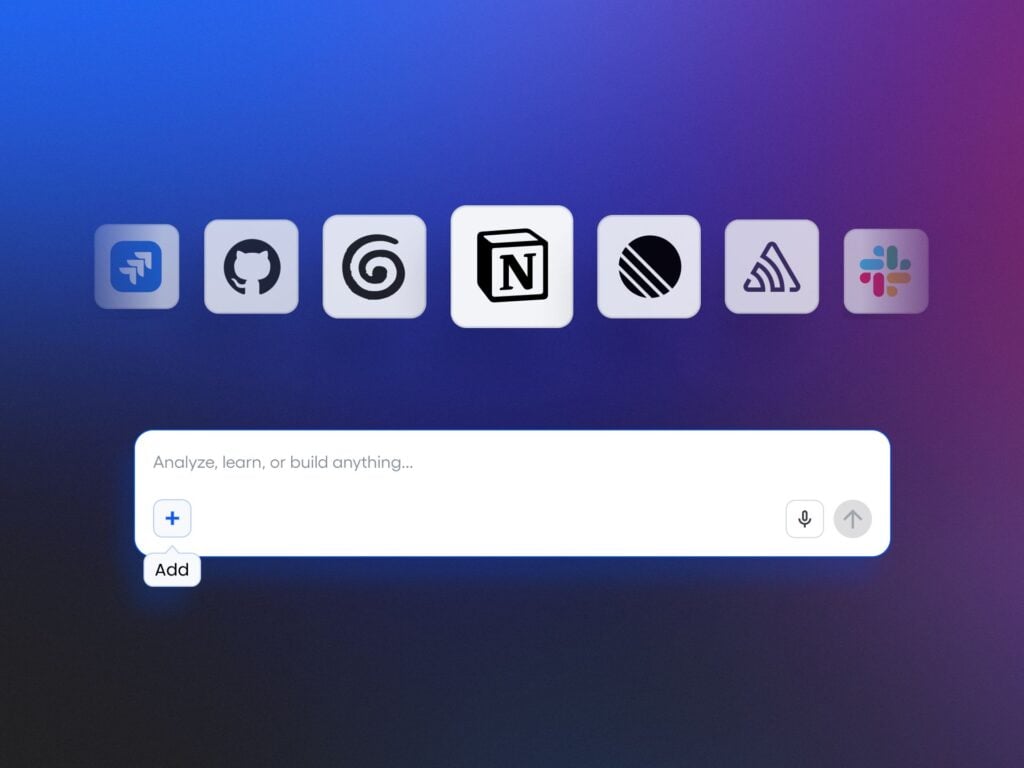
Tools and connectors: Visibility isn’t only pre-training; it’s also in-session. I invest in a reliable ChatGPT connector and CustomGPT workflows so assistants can call our APIs via well-scoped actions. I publish a high-quality OpenAPI spec, implement a retrieval-first pipeline over our docs, and tune chunking and metadata so answers stay grounded. Good context window management, privacy-by-design, and clear guardrails are non-negotiable.
Intent coverage: I map the customer journey and write to the prompts users actually type: definitions, quick starts, integrations, troubleshooting, and “compare vs” pages with transparent points of parity. This doubles as strong customer support ai strategy while reinforcing our go-to-market strategy.
Measurement: I maintain a prompt panel representing priority intents and track our share of voice in model outputs over time. When we ship content improvements, I use disciplined A/B testing where possible and set a minimum detectable effect to avoid overfitting to anecdotal wins. I pair qualitative spot checks with analytics to see which pages, entities, and citations correlate with improved inclusion.
Governance and ethics: I avoid manipulative tactics, fabricated claims, or spammy link schemes. Sustainable AI visibility comes from trustworthy content, clear provenance, and user value. Treat LLMs like discerning editors: they reward clarity, credibility, and consistency.
The bottom line: you can’t control when an assistant mentions your brand, but you can earn it. Build an authoritative, structured footprint; show up on credible surfaces; enable high-quality retrieval and actions; and measure rigorously. Done well, AI visibility compounds—just like great SEO—only faster, and with outsized leverage for teams who execute with focus and integrity.
Inspired by this post on Amplitude – Perspectives.







Leave a Reply