
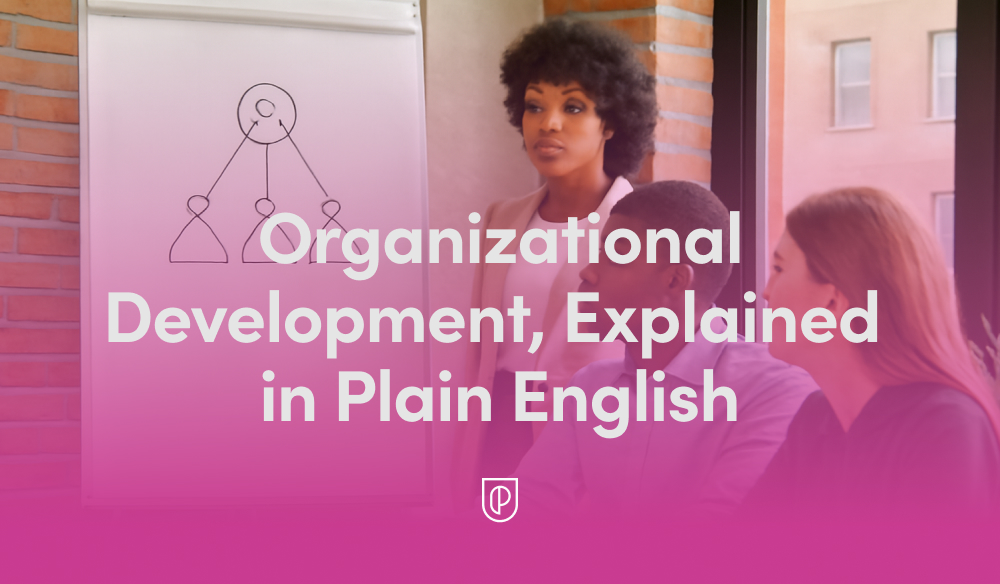
When people ask me how product organizations actually scale what works, I point them to a simple truth: organizational development is the operating system that makes strategy executable, teams empowered, and outcomes repeatable.
It turns out that organizational development isn’t just HR lingo. It’s the engine behind smarter teams, better culture, and long-term growth.
In practice, I think of organizational development as the discipline that aligns structure, incentives, rituals, and learning loops so empowered product teams can do their best work. It connects product management leadership with execution through clear decision rights, transparent roadmapping, and ways of working that reduce friction across product, design, and engineering.
On the ground, this looks like moving from activity measures to outcomes vs output OKRs, forming durable product trios to own customer problems end to end, and tightening stakeholder management so priorities don’t whipsaw week to week. It also means investing in onboarding that accelerates time-to-impact, creating feedback rituals that surface risks early, and using retention analysis to make smarter bets about where to double down.
The payoff is tangible: faster decision-making, fewer handoffs, and clearer accountability. Teams ship with confidence, leaders get leading indicators instead of lagging surprises, and employee retention at startups improves because people see how their work connects to a meaningful value proposition and product-led growth.
In my own practice, shifting to outcomes-first planning, establishing product trios, and clarifying interfaces across functions reduced decision latency, improved deployment frequency, and made ownership unmistakable. The organization became more resilient because the culture, processes, and metrics reinforced one another instead of competing for attention.
If you’re starting from scratch, begin by aligning on a small set of outcomes that matter, then redesign ceremonies and artifacts to serve those outcomes. Next, empower teams with clear autonomy and constraints—enough freedom to discover, enough guardrails to focus. Finally, make learning visible: use lightweight postmortems, discovery reviews, and customer signal dashboards so your operating system continuously improves.
Organizational development isn’t a one-time reorg; it’s a habit. When we treat it as a product—iterating on roles, rituals, and metrics just like we iterate on features—performance compounds, culture strengthens, and growth becomes sustainable.
Inspired by this post on Product School.





Leave a Reply