

Churn is a lagging indicator—and by the time I see it in a dashboard, the moment to change a customer’s mind has usually passed. At HighLevel, I’ve learned that durable retention starts long before a cancellation ticket, with product-led growth habits, customer success partnerships, and a clear view of user behavior that flags risk early and often.
Stop chasing SaaS churn after it happens. Learn how proactive product and service experiences, powered by behavioral analytics, help reduce churn before users leave.
My operating model is simple: treat retention as a design problem, not a rescue mission. I anchor our strategy in behavioral analytics and retention analysis, translating leading indicators—activation milestones, time-to-first-value, depth of feature adoption, and expansion intent—into outcomes like Net Recurring Revenue (NRR) and cohort-based retention. When these inputs move in the right direction, churn becomes the exception, not the trend.
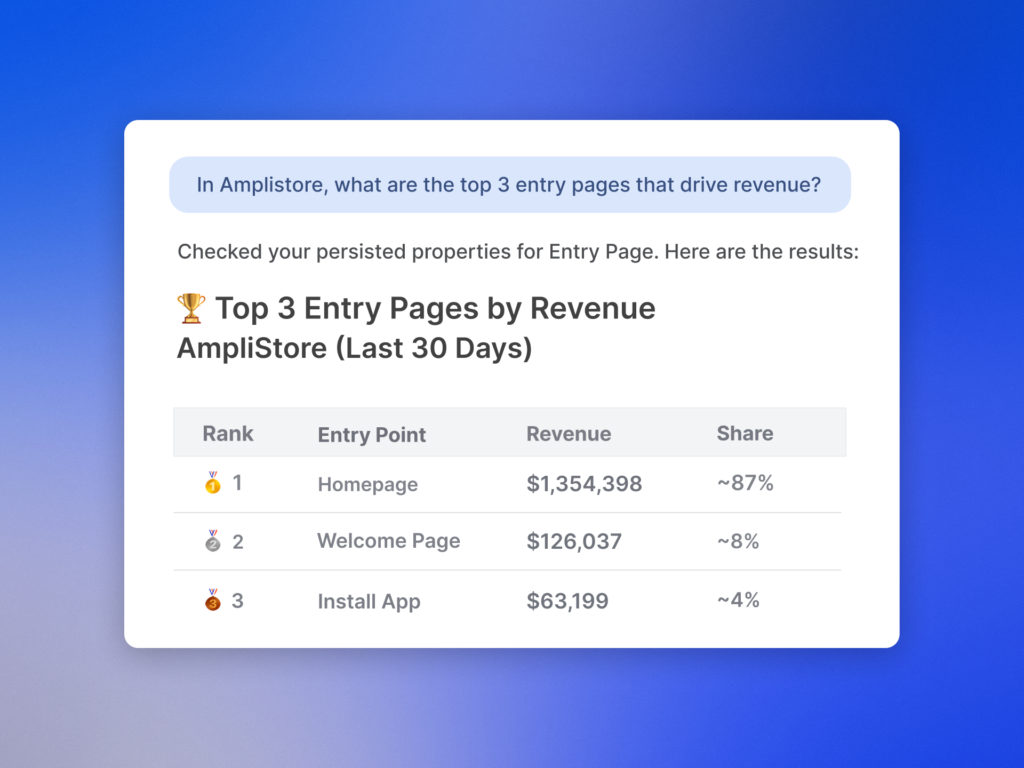
To get there, I start with rigorous journey mapping and continuous discovery. We define the exact “aha” moments that signal value realization, instrument events across the funnel, and segment cohorts by persona, plan, and use case. Tools in a unified analytics platform (e.g., Amplitude analytics or Pendo) help us pinpoint where engagement decays, which features predict stickiness, and which friction points block activation. This evidence replaces hunches and lets us prioritize the highest-leverage work.
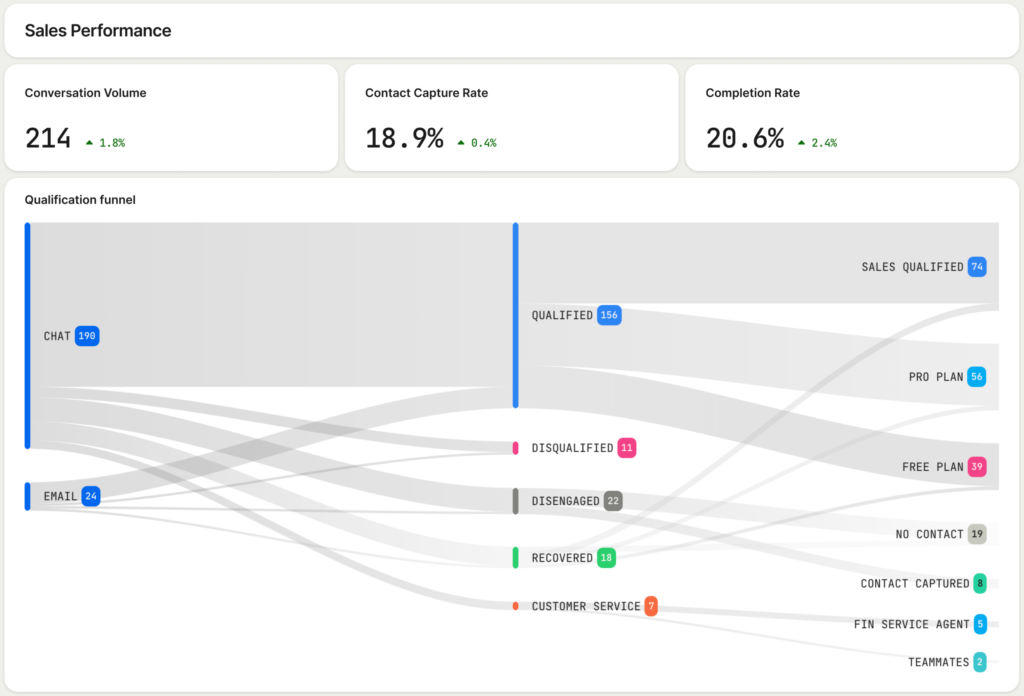
From those signals, I build a transparent risk score that anyone can use. It blends usage momentum (DAU/WAU), core feature frequency, anomaly detection on key behaviors, billing and payment health, and support sentiment. When the score crosses a threshold, we trigger plays—inside the product and through customer success—so we’re helping users before they drift, not pleading after they’ve left.
On the product side, I favor lightweight, contextual interventions: in-app guides tailored to stalled tasks, checklists that shorten time-to-value, adaptive product tours, and tooltip design that clarifies the next best action. We A/B test these experiences with a clear minimum detectable effect (MDE), watching both local metrics (feature completion, error rate) and global metrics (activation, retention). The goal is precision—right nudge, right user, right moment—without adding cognitive load.
On the service side, we run consultative support and customer success plays keyed to the same behavioral triggers. A sudden drop in core usage may prompt a quick diagnostic call; repeated failed integrations can route to solutions engineering; stalled accounts get value reviews or QBRs focused on outcomes, not feature checklists. Because product and service draw from the same data, customers experience a single, coherent journey.
Proactive retention also depends on smart packaging and pricing. When value metrics mirror how customers win, plan boundaries reinforce the right behaviors and reduce “silent churn” caused by misaligned tiers. Outcome-based pricing and clear upgrade paths can turn potential risk into expansion rather than attrition.
Operationally, I keep a weekly retention review with product trios and customer success leaders. We walk driver trees from inputs (activation, engagement depth, support friction) to outputs (NRR, churn), review session replay where confusion spikes, and commit to small, measurable experiments. This cadence compounds learning and keeps us honest about what’s moving the needle.
If you’re starting fresh, begin with four moves: define an activation milestone tied to value; instrument the few events that prove users are on track; build a basic risk score from those events; and craft three plays—one in-product, one lifecycle message, one success outreach—triggered by that score. You’ll create a flywheel where insights power interventions, and interventions feed better insights.
Churn will always exist, but it doesn’t have to be a cliff. With behavioral analytics guiding both product and service experiences, we can make retention the natural outcome of how we build, communicate, and support—long before a customer ever thinks about leaving.
Inspired by this post on Amplitude – Perspectives.






Leave a Reply