

I obsess over why users do what they do. When I connect the dots between behavior and emotion, product decisions get clearer, roadmaps get sharper, and outcomes improve fast. Customer sentiment analysis is the discipline that helps me bridge that gap between numbers and nuance—turning scattered feedback into a focused narrative that drives product-led growth and retention.
Want to understand the thoughts and feelings that drive user actions? This guide to customer sentiment analysis shows you how to listen and respond.
At its core, customer sentiment analysis blends quantitative signals (usage telemetry, conversion, churn) with qualitative insight (support conversations, reviews, in-app feedback) to reveal why users behave the way they do. I use it to pinpoint friction in onboarding, accelerate user activation, and reinforce the value proposition across the journey. The result is a product experience that not only performs but also resonates.
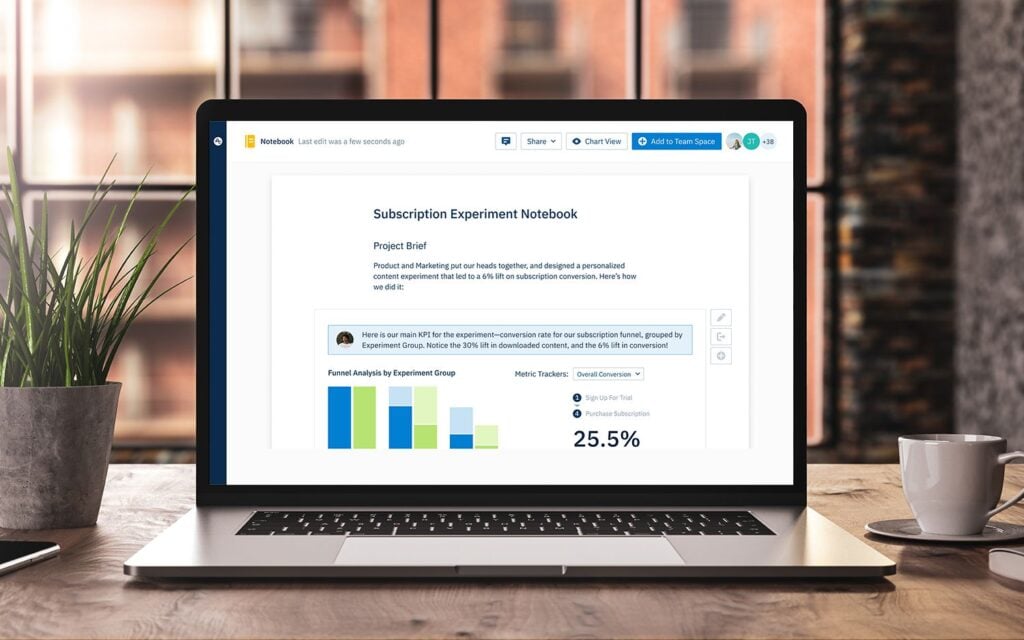
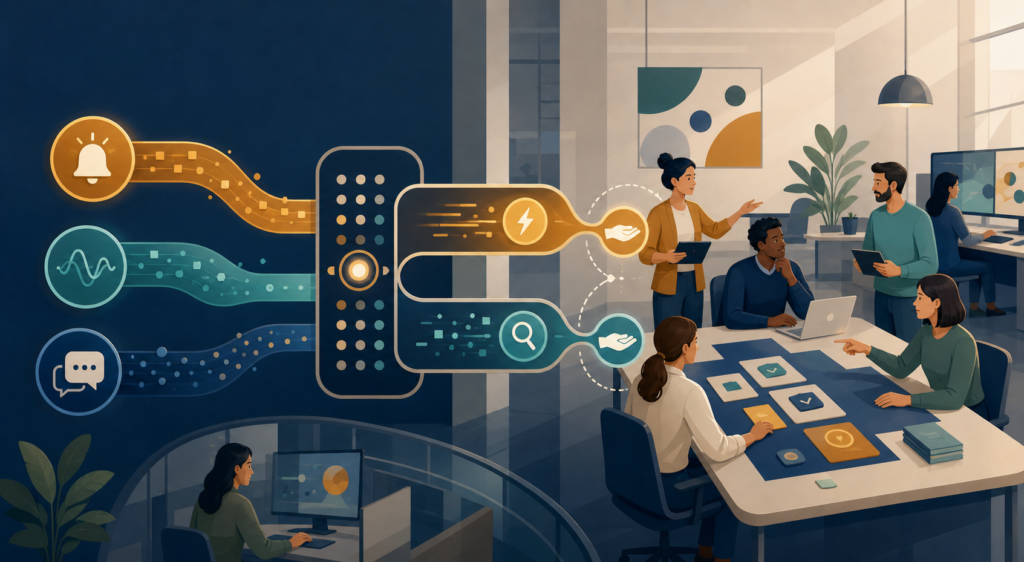
Here’s how I listen at scale. I aggregate inputs from support tickets and call transcripts, in-app feedback widgets, community posts, and social listening; I supplement them with product analytics from Amplitude analytics, guidance and event data from Pendo, and conversation and engagement patterns from Intercom. With strong CRM integration to HubSpot and a unified analytics platform, I can tie sentiment to accounts, lifecycle stages, and revenue impact—so every signal is actionable, not anecdotal.
On the analysis side, I segment feedback by journey stage (onboarding, activation, adoption, expansion, churn risk) and classify it by theme (usability, reliability, pricing, time-to-value). Gen ai and LLMs for product managers help me summarize large volumes of text, cluster topics, and score sentiment with speed, while I maintain guardrails through data governance, privacy-by-design, and clear AI risk management policies. The aim isn’t just a score—it’s a storyline I can act on.
Closing the loop is where sentiment turns into outcomes. If I see negative sentiment around first-run complexity, I streamline onboarding, add contextual product tours and in-app guides, and refine tooltip design and UX writing. I then validate improvements with A/B testing, watch minimum detectable effect (MDE) thresholds, and track movement on activation, NPS/CSAT, and early retention. This rhythm creates a durable feedback-to-feature pipeline that compounds over time.
Operationally, I run a recurring sentiment review with product trios and cross-functional leaders. We connect insights to outcomes vs output OKRs, pressure-test bets through product discovery, and prioritize work that measurably reduces friction. When sentiment and behavior point to the same problem, it moves to the top of the roadmap. When they diverge, we dig deeper before we build.
If you’re getting started, begin with the highest-value surfaces: onboarding and activation. Instrument the journey, centralize feedback, and label themes consistently. Use small, targeted experiments to address the loudest pain points, then scale what works. Over a few cycles, you’ll see clearer insights, faster decisions, and a product experience that feels intuitively “right” to your users—because it’s grounded in their words and their behavior.
Inspired by this post on Product School.







Leave a Reply