

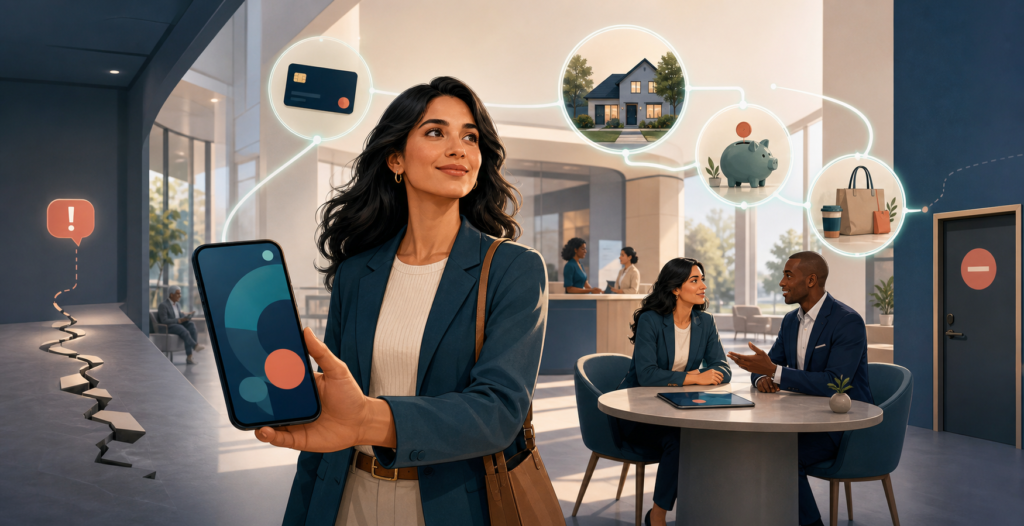
Every week I meet teams eager to unleash AI-driven personalization across their products—and I share the same excitement. The promise is magnetic: experiences that feel tailor‑made, delivered at scale, and continuously optimized. Yet sustainable differentiation doesn’t come from turning every dial to eleven; it comes from clarity of intent, responsible design, and disciplined execution.
AI has us on the verge of a new age of ultra-personalized digital product experiences. But don't swing too big too early.
When I think about “how far is too far,” I anchor on user trust, explainability, and measurable value. If a personalization can’t be explained in a sentence, verified through A/B testing, or opted out of without friction, it’s a risk to both brand and product-market fit. The goal isn’t maximal personalization—it’s meaningful personalization that compounds retention and strengthens the value proposition.
I start with product discovery basics: who are the core segments, what jobs-to-be-done matter most, and where does personalization remove friction or accelerate time-to-value? That focus informs pragmatic AI Strategy. Instead of boiling the ocean, I’ll select one high-traffic, high-intent flow and define the precise outcome we want to move. Then I set outcomes vs output OKRs and instrument the path so I can track lift, variance, and trade-offs in real time.
Data governance is non-negotiable. Consent, transparency, and data minimization create the foundation for scalability. I document what signals power personalization, how long they persist, and who can access them. Strong governance isn’t a brake; it’s an enabler, letting us expand confidently without rework or reputational drag.
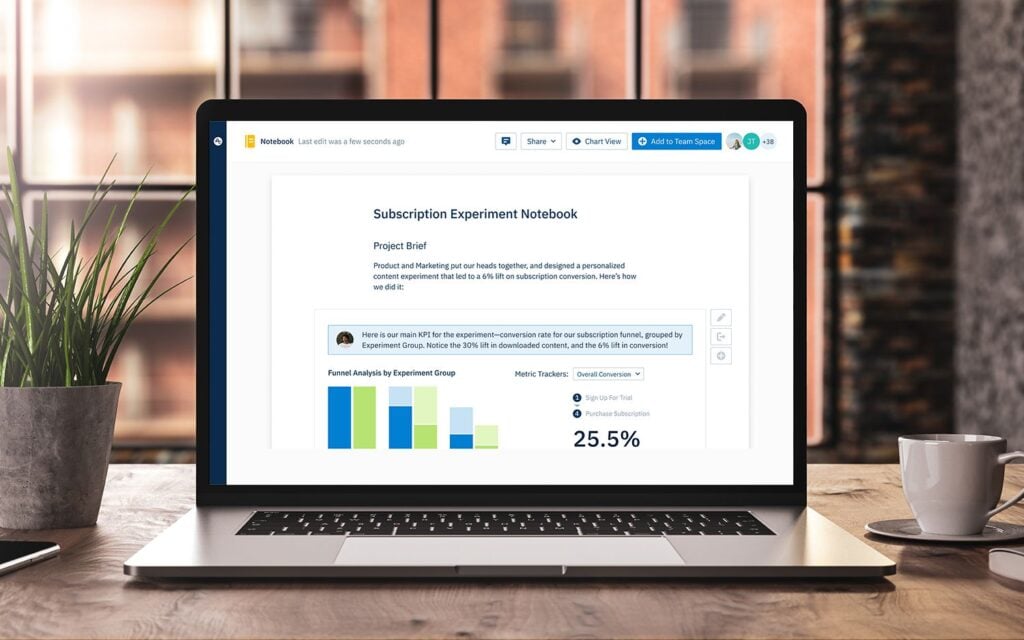
From there, I validate with A/B testing and clear minimum detectable effect (MDE) thresholds. Holdouts, guardrail metrics, and cohort analyses keep me honest. I’ll use Amplitude analytics to examine funnel impacts, retention analysis, and segment-level effects—especially to ensure we’re not improving conversion while harming long‑term engagement or fairness for smaller segments.
Early wins often come from onboarding and in-app guides. Personalizing the first five minutes—recommended next steps, contextual tooltips, or a tailored product tour—can deliver a step-change in activation with minimal risk. This is where product-led growth shines: relevant, timely nudges that shorten the path to the “aha” moment without feeling intrusive.
As we scale, gen ai and agentic AI open new frontiers. I’ve had success with assistants that proactively summarize account health, suggest next actions, or auto-draft content using the customer’s tone. But I always ship with transparency (“Why am I seeing this?”), controls (easy snooze or opt-out), and fallbacks (graceful degradation if signals are sparse). The human is still the hero; AI should play the role of a reliable, explainable copilot.
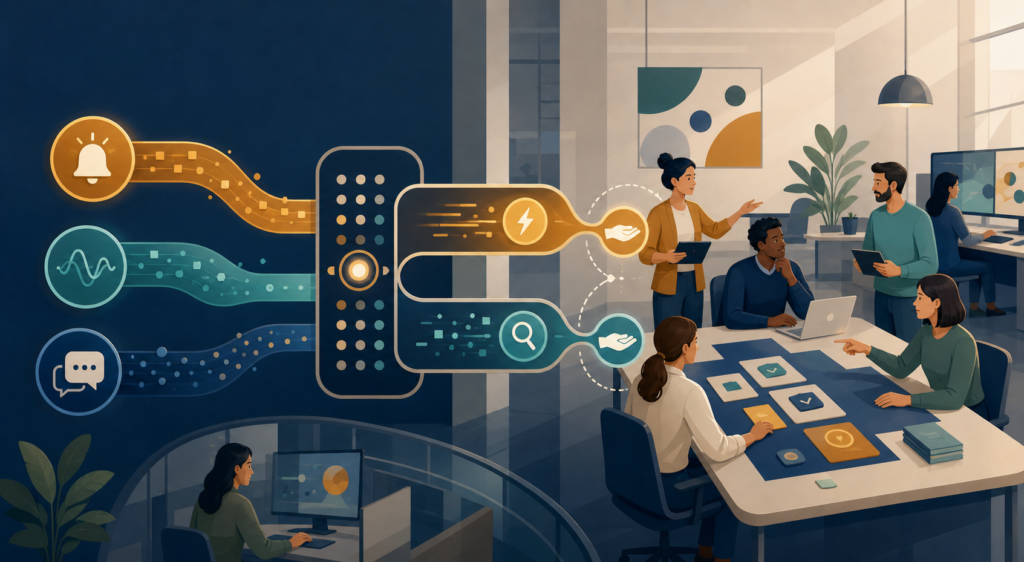
My implementation roadmap follows a crawl‑walk‑run arc. Crawl: rules‑based personalization in one journey; clear metrics and opt‑out. Walk: contextual recommendations using embeddings and feedback loops; continuous A/B testing. Run: agentic workflows that take multi‑step actions with approval gates and audit trails. Each phase is gated by evidence, not enthusiasm.
Finally, I treat personalization as a living system. I review dashboards weekly, continuously prune features that add complexity without durable lift, and socialize learning across product trios and empowered product teams. When personalization stays grounded in outcomes, ethics, and craftsmanship, it stops feeling “creepy” and starts feeling inevitable.
Personalization is not a stunt; it’s a capability. Build it with intention, measure with rigor, and earn the right to go deeper over time.
Inspired by this post on Amplitude – Perspectives.





Leave a Reply