
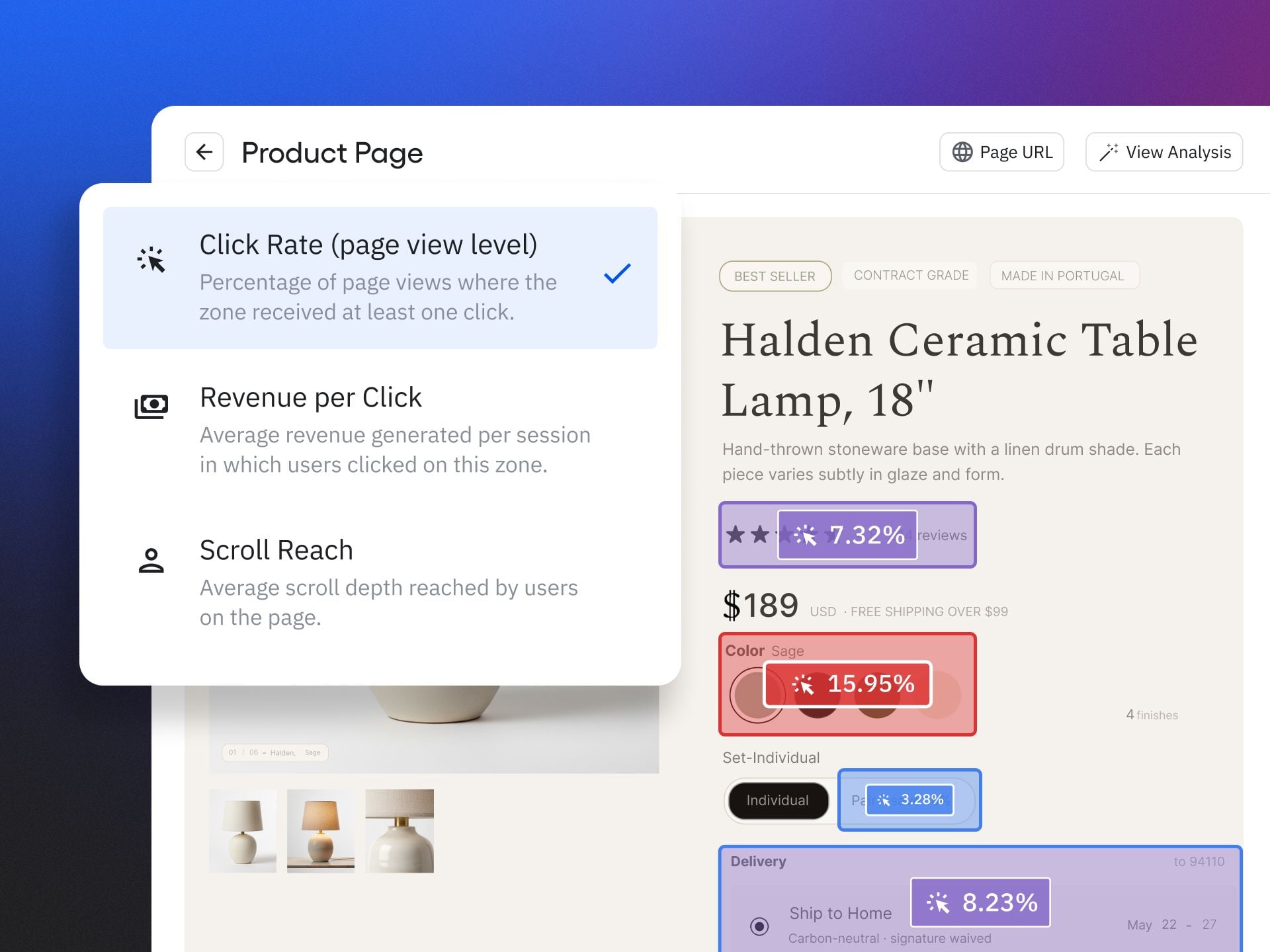
I’m always looking for ways to compress the distance between insight and action on the web. The first time I saw engagement and revenue context appear directly on top of a live page, it felt like someone turned on the lights for our growth conversations. That’s exactly the promise of Amplitude Zoning Insights—bringing web intelligence to where the work actually happens.
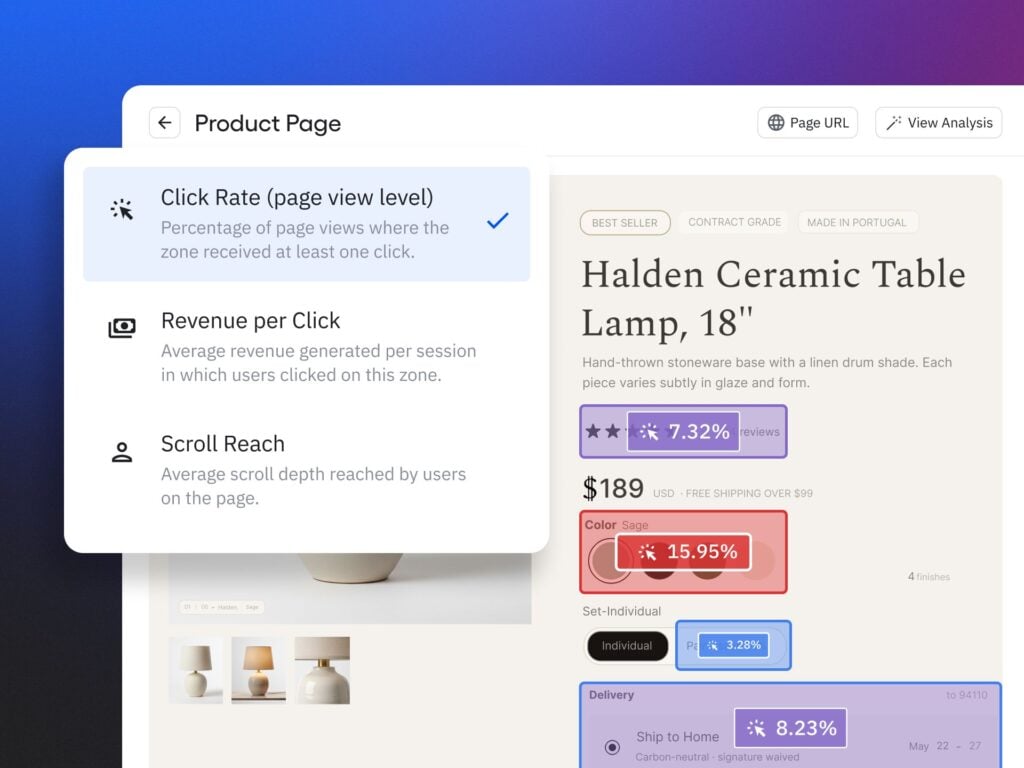
See how Amplitude Zoning Insights helps web and growth teams optimize faster by overlaying engagement and revenue metrics directly on your live site.
From a product management lens, this is powerful because it eliminates tab-switching and guesswork, letting behavioral analytics live in the same frame as the UI you’re iterating on. For teams practicing product-led growth and Amplitude analytics, that proximity accelerates hypothesis formation, prioritization, and A/B testing conversations with design, marketing, and engineering.
In practical terms, I use an approach like this to contextualize what matters on each page—key calls to action, navigation paths, and high-intent sections—then make faster tradeoffs. Pairing the on-page overlay with session replay and Web Vitals gives me both the ‘what’ and the ‘why’: performance signals, friction points, and the revenue impact in one workflow.
It also strengthens cross-functional alignment. When everyone is looking at the same overlay—growth, product, and CRO stakeholders—the discussion moves from opinion to evidence. That’s the essence of a unified analytics platform experience: numbers appear where decisions are made, reducing time-to-insight and raising the quality of bets.
To keep signal high, I anchor overlays and metrics to our core funnels and goals: user activation, retention analysis, and the events tied to value moments. This discipline keeps experiments focused and ensures we’re instrumenting the behaviors that actually drive sustainable growth.
If your team ships frequently and relies on rapid iteration, bringing engagement and revenue context onto the live site can transform your cadence. It shortens feedback loops, clarifies next-best actions, and makes it easier to rally stakeholders around what to test next—with less debate and more delivery.
Inspired by this post on Amplitude – Best Practices.





Leave a Reply