

I build "GTM and analytics products for the AI era—tools that make hard calls simple." That guiding principle shapes how I design systems, prioritize roadmaps, and lead teams: we earn speed by engineering clarity. My north star is straightforward—turn noisy signals into trusted insights that move the business, without adding friction for customers or chaos for teams.
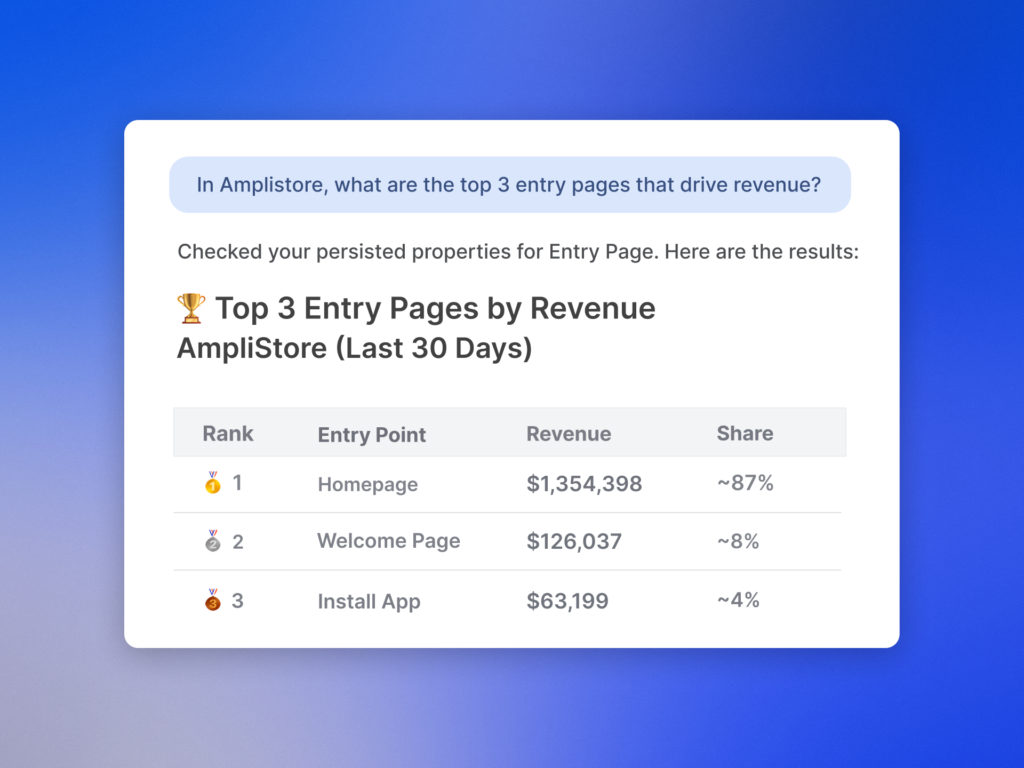
In practice, this starts with behavioral analytics. Whether you're using Amplitude analytics or a homegrown stack, the goal is the same: a unified analytics platform that captures clean events, enforces a clear taxonomy, and maps behaviors to outcomes. I focus on journey mapping, activation and retention analysis, and honest attribution so that every GTM motion ladders to real product usage, not vanity metrics.
Decisions should be testable and reversible. I operationalize experimentation with A/B testing, feature flags, and guardrailed rollouts. Minimum detectable effect, power analyses, and anomaly detection aren’t academic exercises; they’re the foundation for credible learnings. When a result is unclear, we tighten hypotheses, shrink blast radius, and iterate quickly—biasing for learning while protecting the customer experience.
AI changes the surface area of product work, but it doesn’t change the discipline. I treat LLMs for product managers as a capability, not a shortcut: eval-driven development, clear success criteria, and human-in-the-loop feedback remain non-negotiable. Privacy-by-design and data governance shape what we build; responsible prompts, retrieval strategies, and safety checks shape how it behaves in the wild. When the model is uncertain, the product should be honest about it—and offer a graceful fallback.
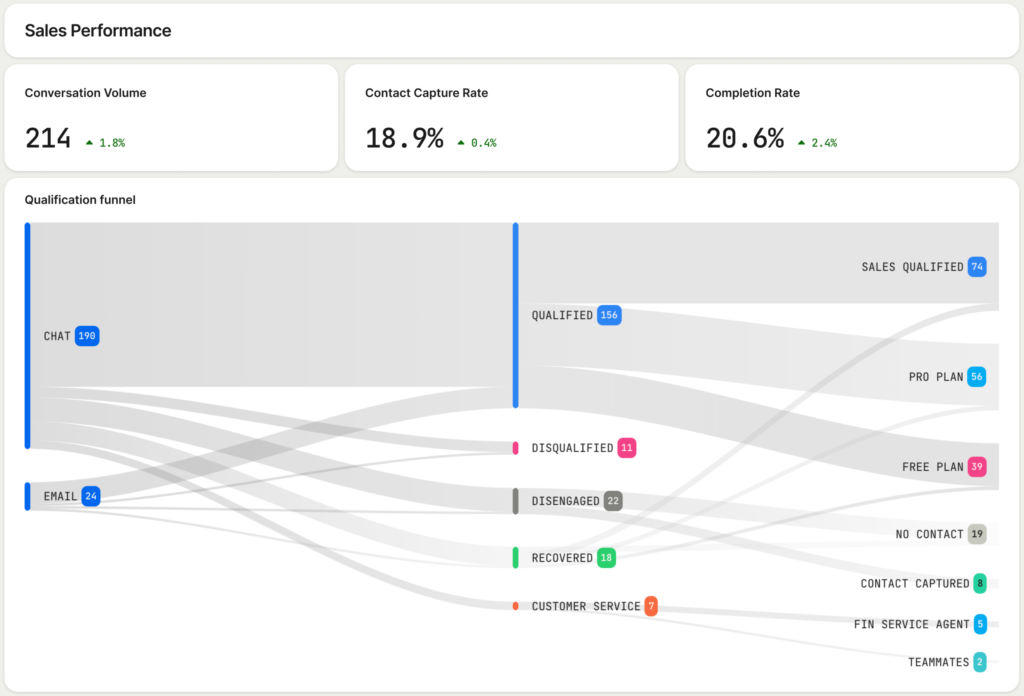
Great GTM is a system, not a launch day. I connect product strategy to go-to-market strategy through product-led growth loops: in-app guides that meet users where they are, onboarding that accelerates time-to-value, and signals that identify true qualified intent. Driver trees tie adoption to monetization so that marketing, sales, and success work from the same picture—making trade-offs visible and reversible.
Execution is where clarity compounds. Continuous discovery with product trios keeps problems crisp and solutions grounded in user truth. Product roadmapping and sprint planning follow outcome-first principles: fewer projects, clearer intents, stronger accountability. When teams can trace every backlog item to a metric that matters, they move faster with less oversight—and deliver results that stand up to scrutiny.
When we do all of this well, decisions feel simple because the work behind them is rigorous. That’s the promise of modern GTM and analytics in the AI era: no theatrics, just dependable systems that turn possibilities into predictable progress.
Inspired by this post on Amplitude – Best Practices.




Leave a Reply