

When I set out to operationalize AI across a product organization, I focus on one promise: repeatable outcomes without chaos. An effective AI operating model turns experiments into an engine—aligning strategy, teams, technology, and governance so we can ship value safely and at scale.
At its core, an AI operating model is the connective tissue between vision and delivery. I anchor it on a few pillars: clear AI Strategy, empowered cross-functional teams, a modern AI platform, rigorous AI risk management and data governance, and a cadence of eval-driven development that ties everything back to outcomes.
Strategy comes first. I translate big ambitions into a portfolio of use cases ranked by customer impact, feasibility, and risk. I use continuous discovery to validate the problem, then frame each bet with outcomes vs output OKRs, a crisp value proposition, and a build vs buy decision. For generative AI, I encourage PMs to treat LLMs for product managers as a craft—rapid prototyping, deliberate prompt engineering, and disciplined evaluation from day one.
Team design matters as much as models. I organize around product trios—PM, design, and engineering—augmented by data, ML, and a “forward deployed” mindset when the domain is complex. I invest in empowered product teams and communities of practice to spread patterns quickly while avoiding centralized bottlenecks.
On the platform side, I start retrieval-first pipeline before fancy modeling. A solid foundation—feature stores, vector search, observability, and safe integration points—beats bolt-on hacks. I rely on CI/CD with feature flags, strong deployment frequency, DORA metrics, and SRE-grade reliability to keep the iteration loop tight and safe.
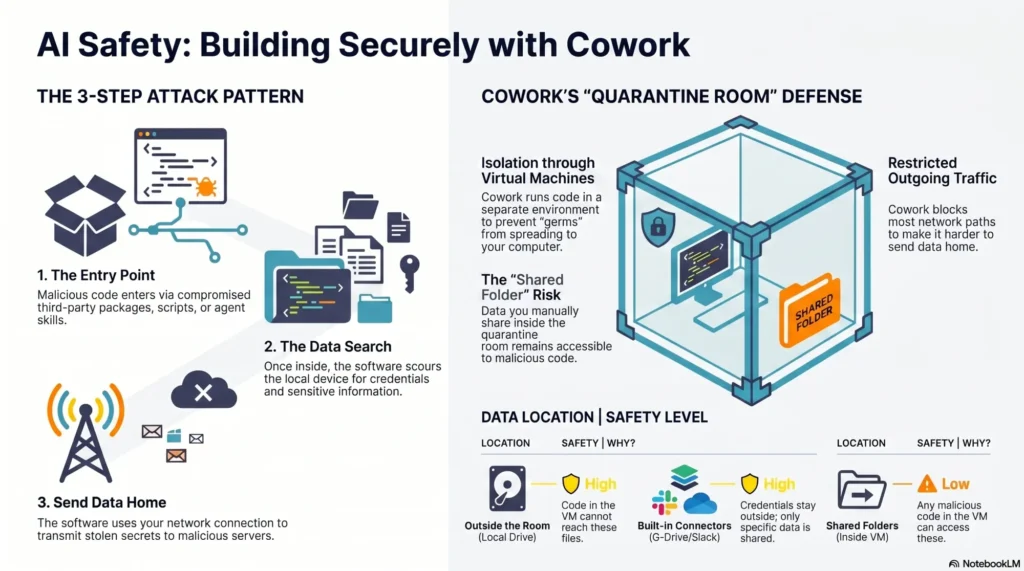
Governance is non-negotiable. I implement privacy-by-design, clear data governance, audit trails, and policy controls aligned to regulatory compliance. AI risk management includes model red teaming, safety layers, and human-in-the-loop review where needed. The goal is confidence: we know what shipped, why it works, and how it fails.
Execution rides on eval-driven development. For every AI workflow, I define offline and online test sets, target metrics, and a decision policy before launch. I A/B test with proper minimum detectable effect (MDE), layer canaries for protection, and monitor user experience and outcomes in production. This is how we turn “it seems smarter” into statistically confident improvements.
Adoption is a product in itself. I build onboarding, in-app guides, and product tours that help users form habits quickly. I monitor activation, time-to-value, and retention analysis while partnering with customer support ai strategy to close the loop between real-world issues and roadmap priorities.
Culture scales the system. I normalize rapid learning, shared playbooks, and personal knowledge management so insights don’t disappear into meetings or notebooks. I upskill teams on prompt engineering, context window management, and model selection, and I celebrate the humility required to refactor what “worked” yesterday.
Operating cadence keeps it all coherent. I run an AI portfolio review tied to outcomes vs output OKRs, keep a single source of truth for evaluations, and align go-to-market strategy with release readiness. We review risks alongside results so speed never outruns safety.
If you’re starting from scratch, I recommend a 30-60-90 approach: baseline your current state, choose two lighthouse use cases, stand up the retrieval-first pipeline and eval harness, define governance and data policies, then ship small, safe increments behind feature flags. Teach the system to learn before you make it run.
I’ve felt the pain of brilliant prototypes that crumble in production and the thrill of AI features that compound value month after month. The difference is the operating model. Build it with intent, and you’ll scale AI with confidence—teams aligned, tech resilient, and customers seeing real outcomes.
Inspired by this post on Product School.







Leave a Reply