Customer feedback is the most reliable compass I have for product strategy and execution. Over the years leading product at HighLevel, I’ve built and refined a system that turns raw signals from users into clear, prioritized decisions our teams can confidently ship.
A practical guide to collecting and using product feedback in product management (from AI tools to early-stage tactics) for better product decisions.
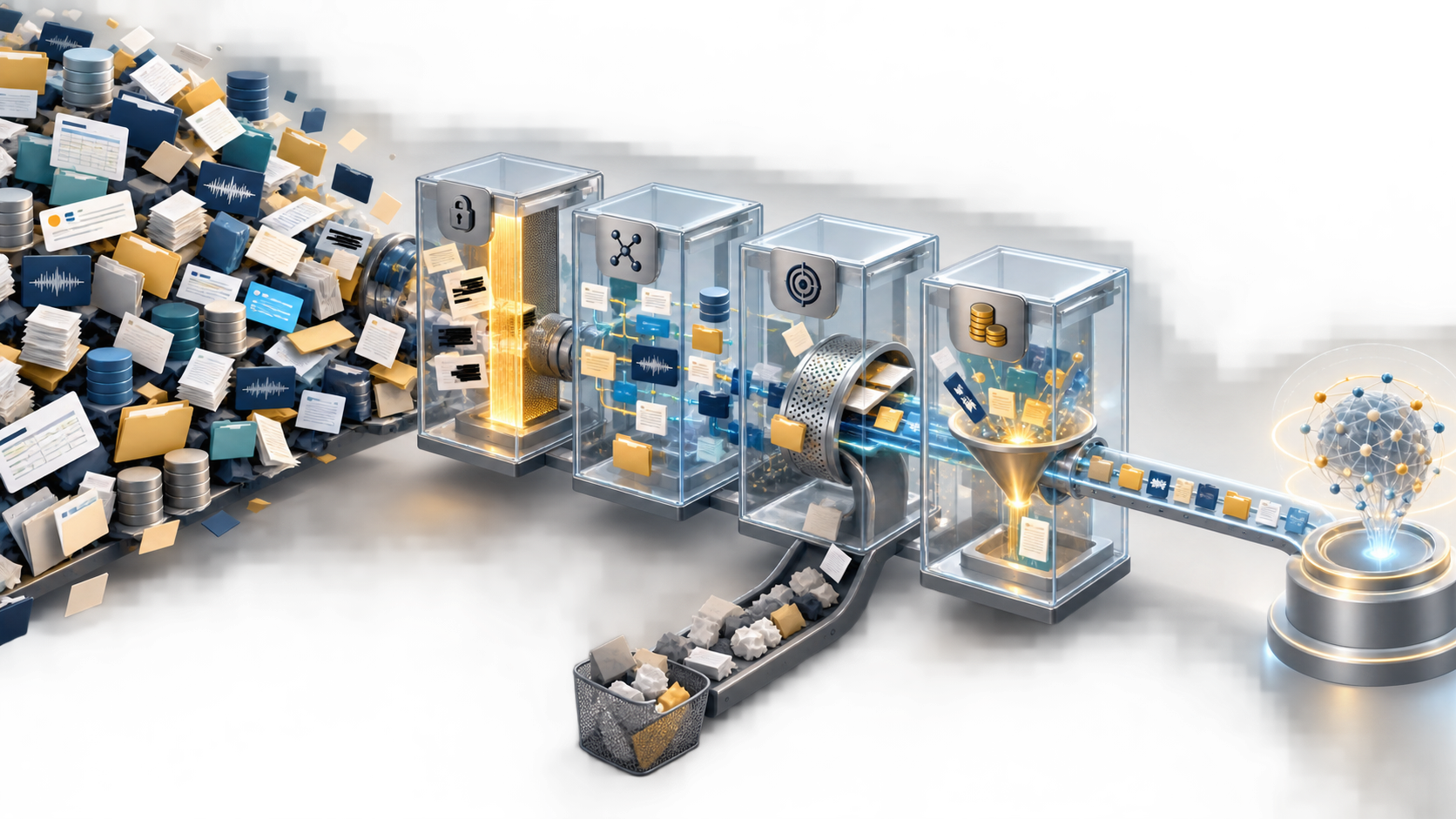
My playbook starts with continuous discovery. I keep a steady flow of insights from sales calls, customer support threads, community forums, and in-product behavior so I can triangulate patterns rather than chase loud anecdotes. This mix of quantitative and qualitative data helps me separate urgent noise from strategically meaningful trends.
On the quantitative side, I rely on product analytics to ground the conversation. Amplitude analytics gives me activation, retention cohorts, and feature engagement, while controlled experiments and A/B testing validate whether an idea actually moves a target metric. Tying these signals to specific customer segments helps me see where product-led growth is working—and where it’s stalling.
For qualitative insight, I combine in-app guides and lightweight surveys (via tools like Pendo) with structured interviews and support escalations (often surfaced through platforms like Intercom). I map problems using the Kano Model to understand which requests are basic expectations, which are performance drivers, and which are potential delights. This keeps our roadmap focused on outcomes, not just outputs.
AI now accelerates the synthesis step. With LLMs for product managers in my AI product toolbox, I summarize interview transcripts, cluster themes across thousands of notes, and quantify sentiment without losing nuance. I still review raw artifacts to avoid hallucinations and preserve context, but AI reduces the time from signal to insight dramatically—freeing me to spend more energy on judgment and storytelling.
In early-stage contexts, I bias toward speed and proximity to users. I schedule founder- or PM-led discovery calls weekly, instrument product tours early, and launch scrappy in-product prompts to validate demand before over-investing. When data is sparse, I focus on high-signal channels (power users, churned customers with qualified use cases) and document crisp problem statements that connect directly to activation, retention analysis, and revenue outcomes.
Prioritization ties everything together. I translate insights into hypotheses aligned to outcomes vs output OKRs, then pressure-test them with feasibility and strategic fit. We run small, measurable experiments, track deltas in activation and retention, and adjust the product roadmapping and sprint planning cadence based on what the data and customers teach us.
This approach builds trust with stakeholders and creates empowered product teams. By grounding decisions in a transparent trail of feedback, analytics, and experiments, we reduce thrash, move faster, and—most importantly—ship product moments that customers value.
If you’re refining your own feedback engine, start by instrumenting the basics, set a weekly discovery rhythm, and let AI handle the heavy lifting on aggregation and synthesis. The compounding effect is real: better insights lead to better bets, which lead to better outcomes for your users and your business.
Inspired by this post on Product School.