
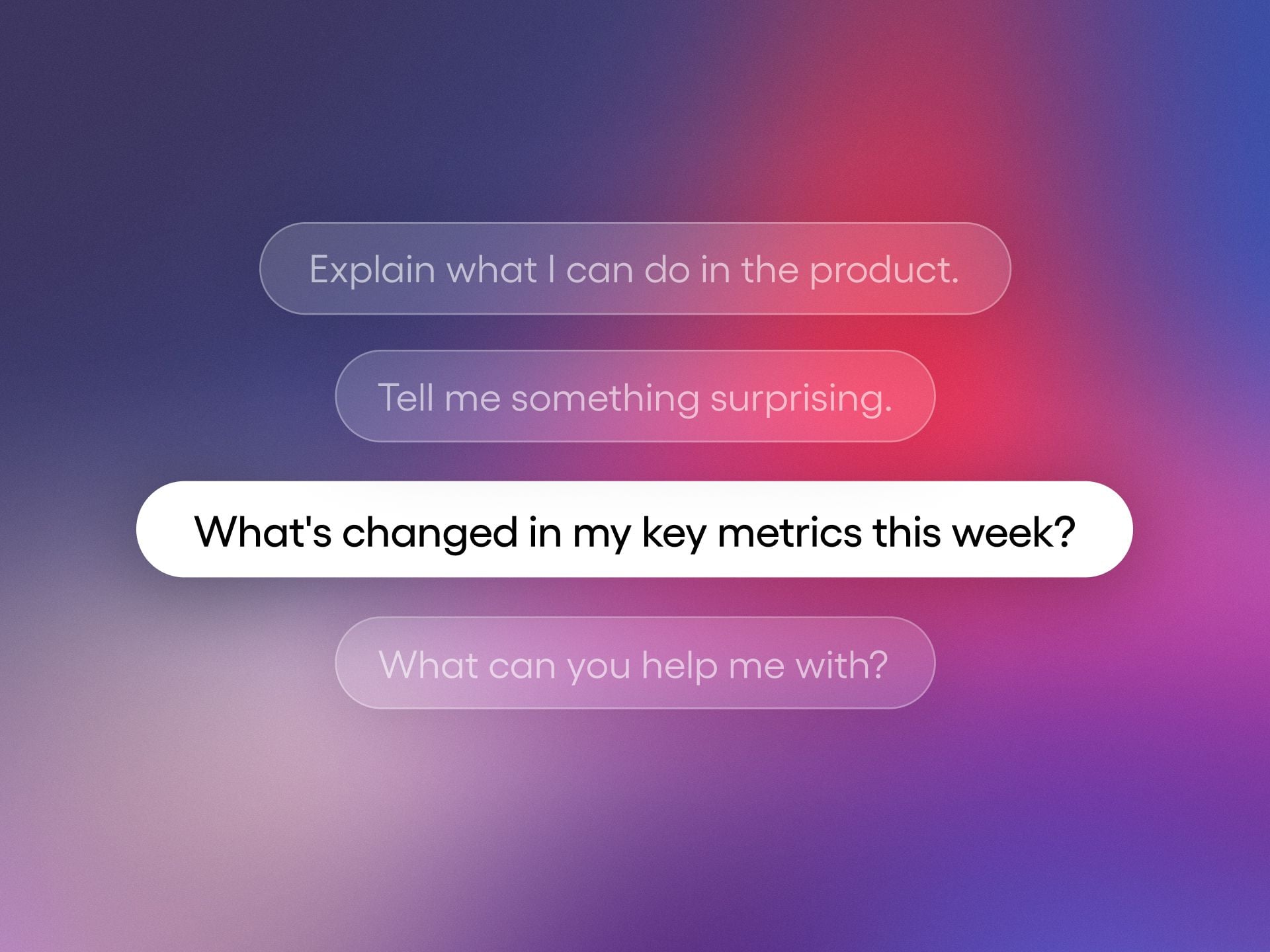
Default prompts are quietly sabotaging agent retention. I learned this the hard way while reviewing early funnels for our voice and chat agents—engagement looked great at the greeting, but the moment the agent stopped after a single reply, the conversation flatlined. The fix wasn’t a fancy LLM trick; it was a disciplined second message and a rigorous audit of defaults across every entry point.
When an AI agent opens with a generic, low-friction greeting and then waits, users hesitate. Cognitive load rises, intent stays fuzzy, and drop-off follows. A thoughtful second message—delivered quickly, with clarity and options—reduces ambiguity and gives people a low-effort path to progress. It’s a small behavioral nudge that pays off in outsized retention gains.
Here’s the pattern that consistently works for me. First, keep the initial default prompt short, confident, and specific to the channel and task domain. Then ship a fast follow-up if the user hesitates for a few seconds. That second message should clarify what the agent can do, present 2–3 concrete choices, and invite free-form input. I’ve repeatedly seen this simple sequence unlock a 2–3x retention lift in early sessions, especially for first-time users.
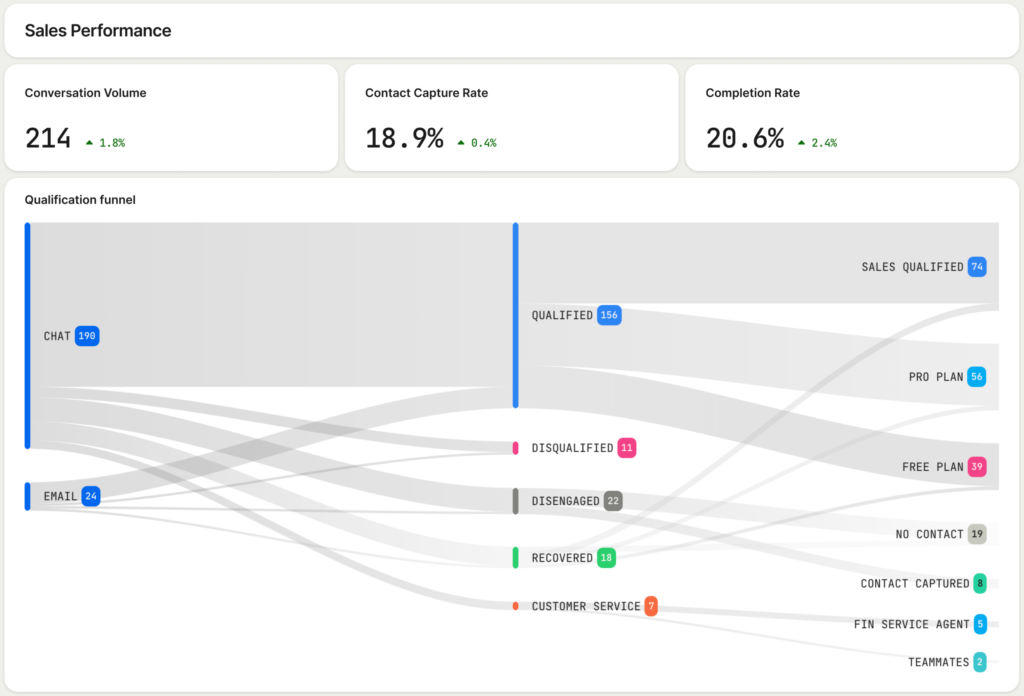
Auditing default prompts is where the leverage lives. I inventory every ingress—web widget, IVR, SMS, in-app, help center—and catalogue the exact default system, developer, and user-facing prompts. Then I inspect turn-1 and turn-2 transcripts in Agent Analytics to quantify where users stall: time-to-first-intent, clarification rate, option selection rate, and completion. This makes the drop-off visible and turns “vibes” into data we can A/B test.
Designing the second message is a conversation design exercise, not a copy tweak. My recipe: empathize with the user’s likely uncertainty, constrain scope so the agent appears capable, and apply choice architecture. For voice AI agents, I keep it shorter, use confirmation questions, and bias toward read-back for accuracy. For chat, I include tappable options and examples that mirror top intents. The goal is momentum without feeling pushy.
Operationally, I run controlled A/B tests on default and second-message variants, sized to a realistic minimum detectable effect. I segment by source (ad, organic, support), device, and use case, because the winning prompt for sales qualification rarely matches the one for customer support. With proper instrumentation in our analytics stack, we track retention curves over the first 3–5 sessions, not just single-session reply rates, to avoid optimizing for chatter over outcomes.
Strong prompt engineering underpins the experience. I keep system prompts stable and explicit about persona, tone, and refusal behavior; manage the context window so examples don’t drown live intent; and use a retrieval-first pipeline when domain knowledge matters. The most expensive mistake I see is shipping defaults like “How can I help you?” without guardrails or examples—great for demos, bad for real users.
If you’re starting fresh, begin with a prompt audit this week: list all defaults, map them to top intents, and pair each with a channel-appropriate second message. Instrument the funnel, launch two variants, and set a crisp success metric (e.g., turn-2 continuation rate to task start, then task completion). This is one of those rare changes that is simple to ship and compounds across onboarding, activation, and long-term retention.
The takeaway is straightforward: don’t let your best work stall after the first reply. A disciplined second message and a focused default prompt audit will lift engagement, reduce ambiguity, and create the kind of early momentum that sustains retention over time.
Inspired by this post on Amplitude – Perspectives.


Leave a Reply