

I build products with a simple mantra: launch, learn, repeat. Shipping fast is necessary, but shipping smart is what compounds. To do that, I keep analytics close to the work—inside the builder—so every decision is tied to real user behavior, not assumptions.
Connect Amplitude MCP to Lovable to understand user behavior, spot frictions, and ship better updates without leaving your builder.
In practice, this integration lets me bring Amplitude analytics and behavioral analytics directly into the creative flow. I can explore funnels, cohorts, and drop‑offs the moment I’m crafting an experience, then translate those insights into concrete changes without context switching. The result is tighter feedback loops and more confident iteration.
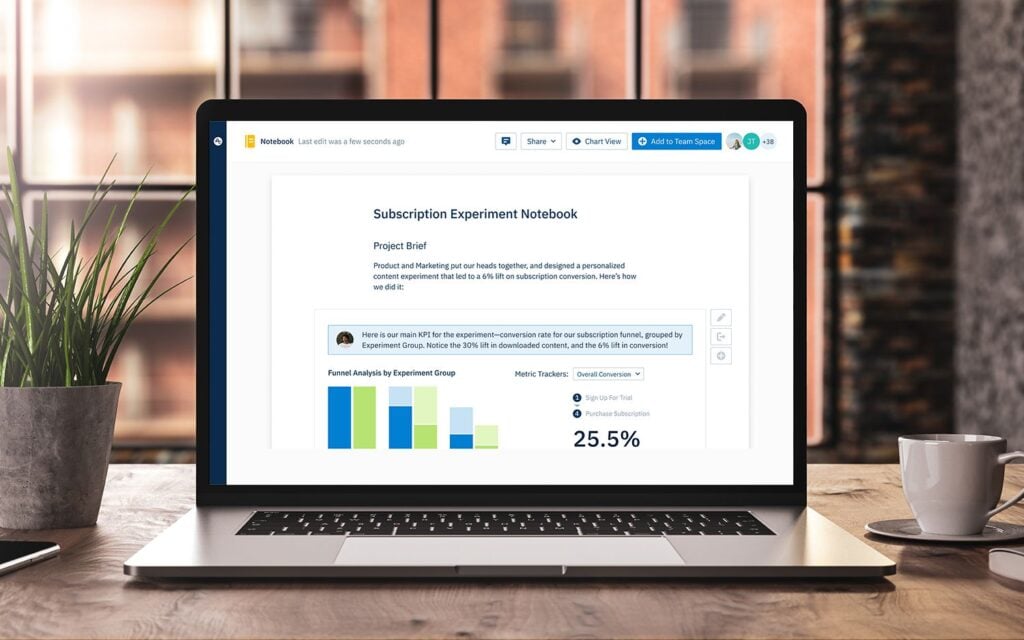
My typical loop looks like this: identify a friction point from funnel analysis, design two or three variants in the builder, and run A/B testing to validate the improvement. I focus on user activation and retention analysis as leading signals, because sustained engagement is the clearest indicator that we’ve solved a real problem. When the data confirms it, we promote the winning experience and move to the next opportunity.
Keeping the work inside the builder also supports continuous discovery. I can pair quantitative insights with qualitative observations, refine journey mapping, and document learnings while the context is fresh. That makes prioritization and product discovery more reliable, and it turns each iteration into a teachable moment for the team.
Strategically, this builder‑first approach enables product-led growth. With fewer handoffs and a unified analytics platform, we compress time from insight to impact. It helps me defend roadmap decisions with evidence, communicate trade‑offs clearly, and keep the team focused on outcomes that matter to customers and the business.
If your goal is to iterate with speed and precision, bring analytics to where you build. Keep the loop tight, measure what moves the needle, and let the data guide your next best update.
Inspired by this post on Amplitude – Best Practices.









Leave a Reply