By 2026, the AI Product Owner will be the keystone role that turns AI strategy into measurable business outcomes. In my teams, this seat bridges market insight, model capability, data governance, and shipping velocity—so product decisions are not just clever, but compliant, reliable, and fast.
I often describe the remit simply: "Here is your clear guide to the AI product owner role (skills, responsibilities, how it differs from PM) and ways AI tools supercharge delivery." In practice, the AI Product Owner translates business goals into model-backed experiences, aligns cross-functional execution, and ensures the product’s AI behavior remains safe, lawful, and on-brand under real-world constraints.
How does this differ from a traditional PM? While Product Management sets portfolio strategy, positioning, and market narratives, the AI Product Owner owns the AI experience end-to-end—data readiness, evaluation harnesses, safety guardrails, and the iterative model improvements that drive outcomes vs output OKRs. I anchor the role inside empowered product teams and product trios (PM/Design/ML Eng) to keep discovery continuous and delivery disciplined.
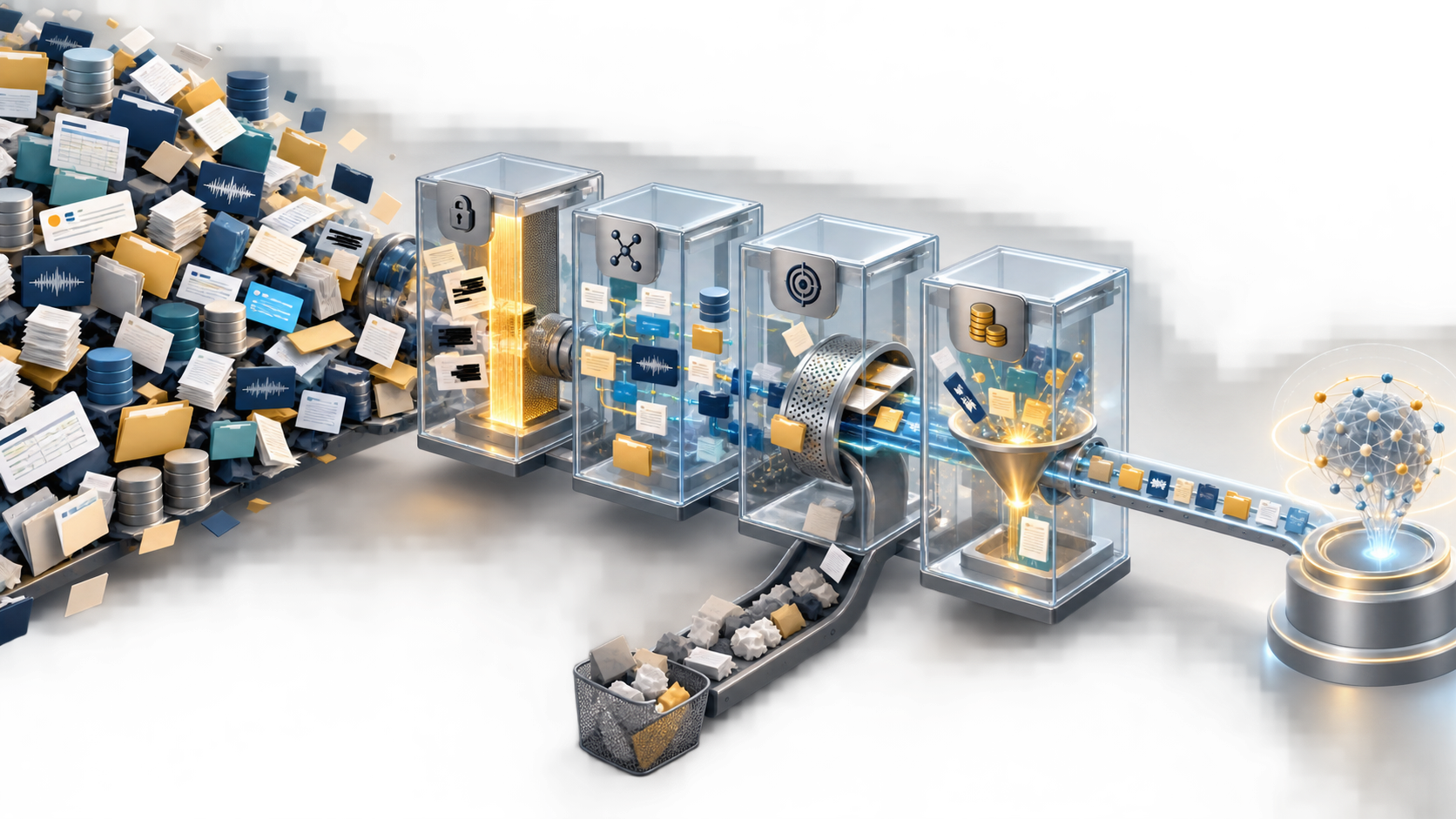
On responsibilities, I expect four pillars. First, discovery: continuous discovery with customers and internal experts to uncover use cases where generative AI or LLMs beat the status quo. Second, experience: define the right interaction patterns for AI UX, including retrieval-first pipeline choices, context window management, and feedback loops for human-in-the-loop correction. Third, governance: privacy-by-design, AI risk management, data governance, and regulatory compliance baked into the roadmap. Fourth, delivery: CI/CD for models and prompts, observable evaluation with A/B testing and minimum detectable effect (MDE), and SRE-grade incident management when AI behavior drifts.
Skills-wise, I look for product sense plus technical fluency. That includes LLMs for product managers (prompting, grounding, RAG), analytics mastery (Amplitude analytics, retention analysis, activation metrics), and comfort with DORA metrics and deployment frequency to keep iteration high but safe. Strong stakeholder management and clear writing are non-negotiable—AI capabilities evolve fast, and leaders must see risk, cost, and ROI with no ambiguity.
AI tools truly supercharge delivery when they eliminate bottlenecks. My practical stack: an AI product toolbox with Claude Code and a ChatGPT connector for rapid prototyping; CustomGPT workflows for support triage and internal knowledge; Pendo product tours and in-app guides to validate behavior changes; Intercom for customer support ai strategy; and tight CRM integration via HubSpot to measure revenue impact. The outcome is faster idea-to-learning cycles, sharper telemetry, and far cleaner handoffs.
For roadmapping, I prioritize thin slices that prove value early—shipping narrowly scoped assistants or copilots, then expanding with product roadmapping and sprint planning that ties capability unlocks to outcomes. A unified analytics platform helps compare human-only baselines to augmented workflows, while agentic AI patterns automate routine steps under strict guardrails.
Risk is a product surface, not a side task. I require explicit policy gates (PII handling, red-teaming, bias audits), clear escalation paths, and incident playbooks. When we treat policy and reliability as features, customers reward us with deeper adoption and higher trust.
If you’re pursuing the AI Product Owner path, build a portfolio around shipped learnings: the experiment you killed with data, the safety constraint you designed, the postmortem you led, and the business metric you moved. That story—evidence of disciplined discovery, responsible delivery, and real-world results—is exactly what teams (and boards) want to see in 2026.
Inspired by this post on Product School.