In my role leading product teams, the AI product roadmap isn’t just a plan—it’s the operating system for how we discover value, prioritize with rigor, and ship with confidence. The pace has changed, the stakes are higher, and the best product managers are now orchestrating AI capabilities, data, and customer insight in near-real time.
Master the evolving art of the AI product roadmap. Prioritize smarter, turn data into direction and insight into action, only much faster.
When I say “AI product roadmap,” I’m talking about a living system that blends strategy, discovery, and delivery. It’s less about dates and more about outcomes, risk reduction, and sequencing learning. In practice, that means combining AI Strategy with product roadmapping and sprint planning, then validating each bet with real customer signals.
For prioritization, I anchor on outcomes vs output OKRs and connect them to measurable signals across the funnel. Continuous discovery keeps insights flowing, while a unified approach to analytics and retention analysis tells me where the lift is. This lets me rank initiatives not just by impact and effort, but by how quickly we can learn, iterate, and compound value.
On discovery, product trios are non-negotiable. We prototype early with gen ai and LLMs for product managers to accelerate concept validation and reduce ambiguity. When customers can co-create through in-app guides or lightweight product tours, we turn vague needs into crisp problem statements and testable hypotheses far faster.
On delivery, I pair tight feedback loops with experimentation. A deliberate cadence of A/B testing and strong instrumentation ensures we’re learning every sprint, not just launching. The goal is to de-risk decisions quickly, keep momentum high, and translate signals into roadmap movement without thrash.
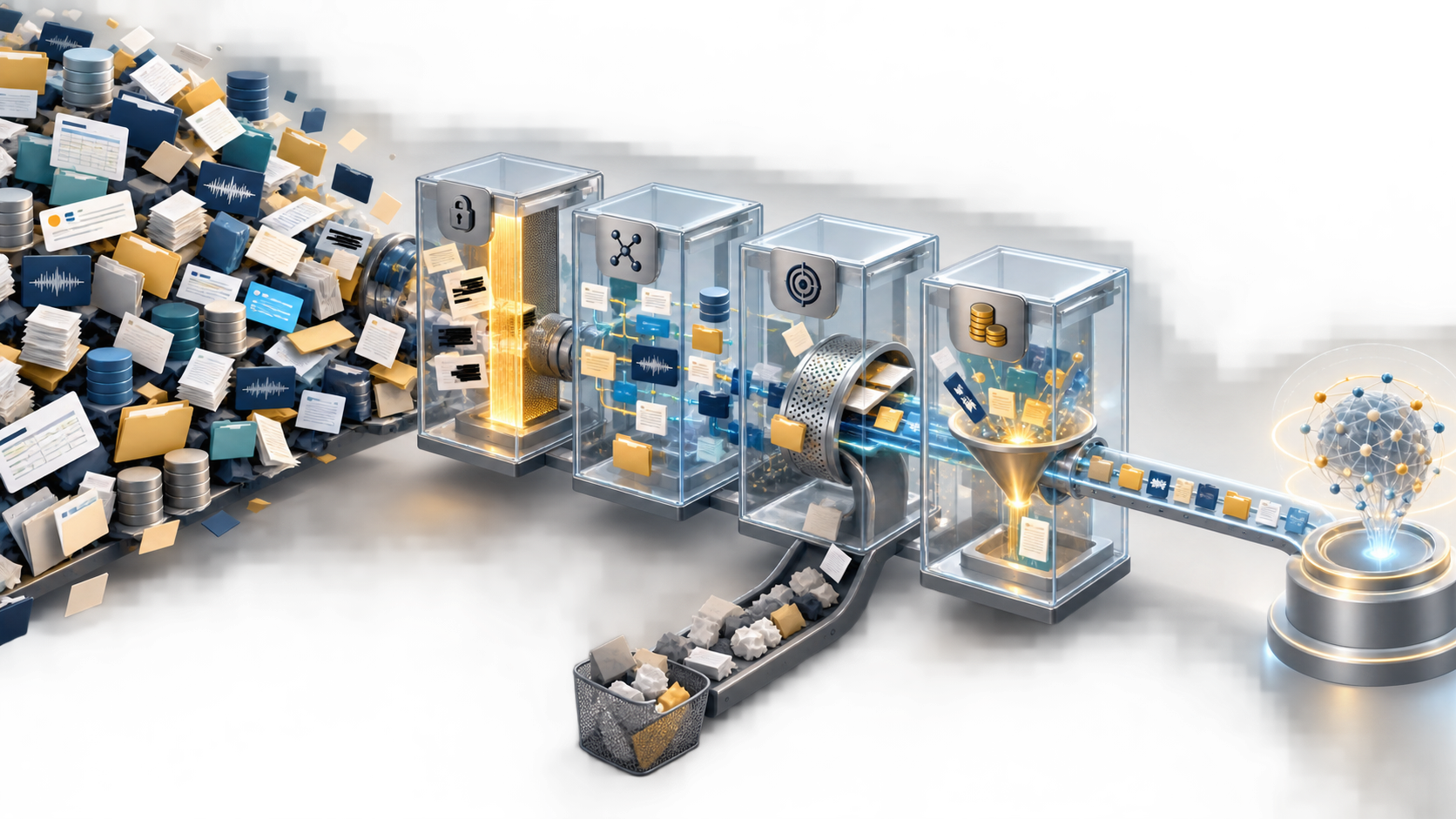
Under the hood, the AI stack matters. I rely on a retrieval-first pipeline to ground models in trusted data, and I’m intentional about privacy-by-design and data governance from day one. As agentic AI patterns emerge, I put evaluation workflows in place so we can ship confidently—and safely—without slowing down innovation.
Finally, alignment is the multiplier. Clear narrative roadmaps tied to customer outcomes help stakeholders see trade-offs, while crisp interfaces with go-to-market and CRM integration close the loop from roadmap to revenue. When everyone can trace a line from AI strategy to shipped value, prioritization becomes easier and trust grows.
If you’re feeling the acceleration, you’re not alone. With the right AI product toolbox—rooted in discovery, grounded in data, and delivered through tight feedback loops—you can move faster, learn smarter, and build products your customers can’t live without.
Inspired by this post on Product School.