I recently spent time with the debate behind the "product builder" trend—asking whether it’s the future of product management or just another wave of tech FOMO. The conversation featuring Teresa Torres and Petra Wille is a useful prompt, but what matters most is how we translate these ideas into healthy product practices inside our own organizations.
Here’s my take: the product builder movement is neither a mandate nor a fad—it’s a tool. The right question isn’t "should product managers code?" but whether leaning into building advances outcomes for our customers and our teams. In practice, that means letting interest and skill—not pressure—set the pace.
Petra captured it perfectly: "Just because I can do it — is it something I enjoy doing? And do I have enough experience to really get into the flow?" Those two tests—joy and depth—are underrated filters. I’ve seen PMs light up when prototyping or vibe coding a thin slice, and I’ve also seen well-meaning dabbling create hidden complexity that slows everyone down later.
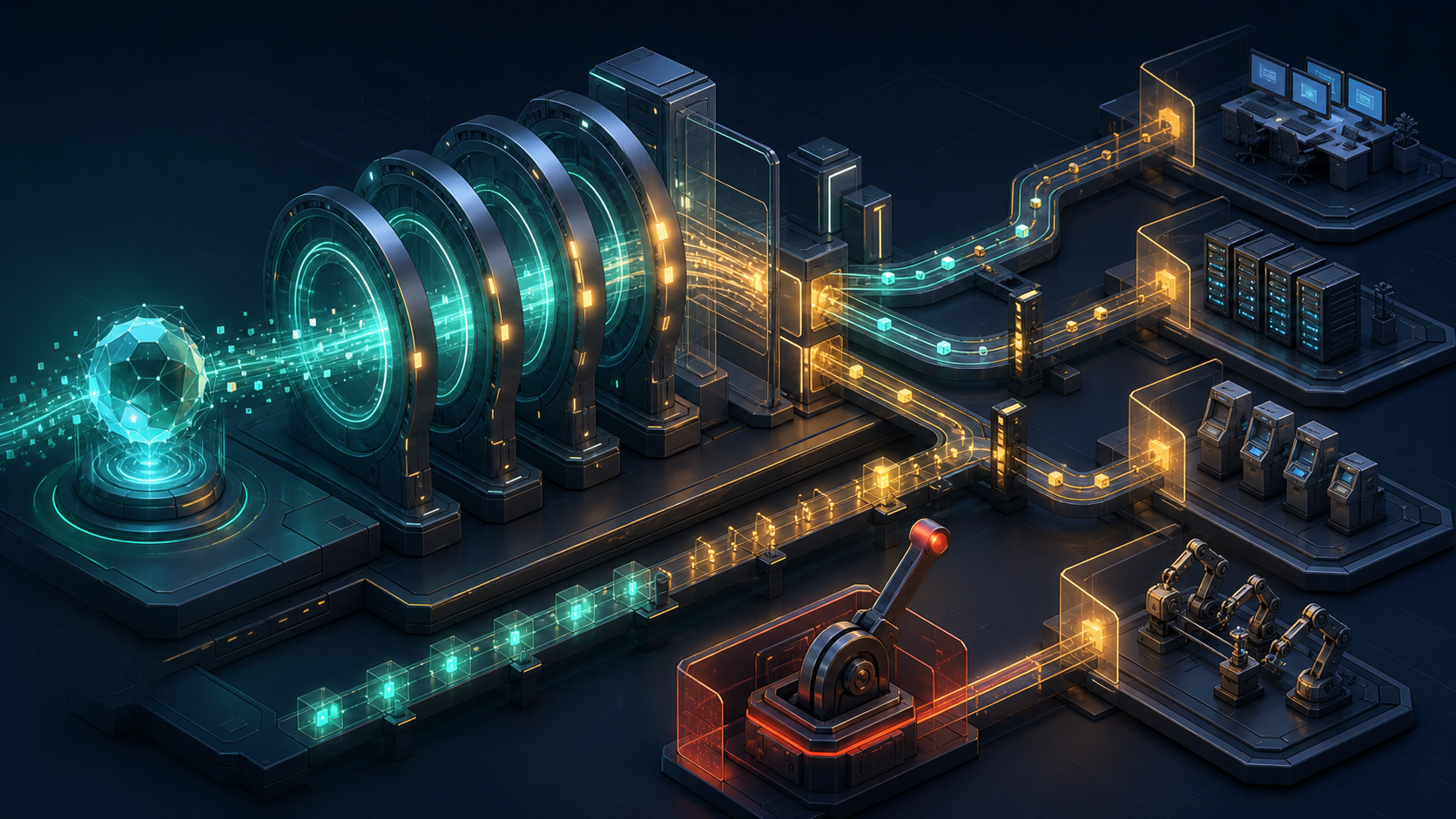
Org design determines whether this works. It’s not about the tools—it’s about clarity of roles, healthy interfaces between product, design, and engineering, and explicit guardrails for where experiments stop and production begins. AI has raised the stakes: "AI can make unskilled work look polished. That’s a feature and a bug — executives see the shine, engineers inherit the mess." If you’ve ever watched a glossy demo turn into weeks of refactors, you know exactly what this looks like.
To avoid that trap, I deliberately separate the three layers where AI is changing product work: personal productivity, team process, and product strategy. Treating these as different stacks keeps expectations clean: a prompt that accelerates personal workflows isn’t the same as an AI-enhanced process that reshapes delivery, and neither automatically produces durable product advantage. Don’t conflate them.
Discovery remains stubbornly human. "Why discovery still requires talking to your customers (sorry)" is more than a friendly nudge. AI can broaden our search space and sharpen analysis, but it doesn’t replace qualitative conversations or the judgment that comes from pattern recognition across real customer contexts. Continuous discovery and disciplined customer interviews are still the most reliable compasses we have.
Where does "vibe coding" fit? It’s great for roughing out concepts, de-risking slices, and communicating intent when words or static mocks won’t cut it. Tools like Claude Code make this faster than ever, and familiar stacks like Ruby on Rails lower the bar for spinning up functional prototypes. But remember the design system trap: AI can make bad decisions look good on the surface. If you don’t control for architecture, accessibility, data contracts, and handoff quality, your team pays the integration tax later.
In well-set-up orgs, the output-oriented muscle memory gets rewired. When AI frees up time, strong teams reinvest it into better problem framing, sharper opportunity solution trees, and tighter product strategy—rather than simply chasing more output. That’s a leadership challenge, not a tooling problem, and it shows up quickly in how teams make trade-offs.
Here’s how I operationalize this with empowered product teams: we articulate clear boundaries for prototypes versus shippable code, define decision rights for when PMs or designers "build," and align on review gates that protect quality without stifling speed. We also make the three AI layers explicit in roadmapping and retros, so improvements to personal workflows don’t get mistaken for strategic advantage.
My distilled guidance echoes the episode’s throughline. The product builder trend isn’t a mandate — it’s a tool. Let enjoyment and skill guide who on your team leans into it. Organizational readiness determines whether AI empowers your team or creates chaos. Don’t conflate personal efficiency, process change, and product impact—they require different responses. Discovery fundamentals haven’t changed; AI helps you go deeper, not skip the work. And the real takeaway on product builders: not everyone has to build, but everyone can if they want to.
If you want to hear the full discussion that sparked these reflections, listen on Spotify or Apple Podcasts. Then tell me: where will you apply builder energy in your team—and where will you deliberately say no?
Resources & Links: Follow Teresa Torres: https://ProductTalk.org. Follow Petra Wille: https://Petra-Wille.com. Mentioned in this episode: Claude Code, Vibe coding, Ruby on Rails.
One more quote I loved because it centers autonomy and craft: "It’s a tool in our toolbox. We can decide who on our team has fun with it, wants to do it, wants to contribute." That’s the mindset that sustains both momentum and morale.
Inspired by this post on Product Talk.