

I see the rise of Customer Forward Deployed Engineering (FDE) as a pivotal bridge between FinOps engineering, AI strategy, and measurable customer outcomes. When we align internal platforms and agentic AI with real-world use cases, we don’t just reduce cloud costs—we accelerate adoption, de-risk deployments, and create durable product value that compounds over time.
"Hac Phan leads FinOps engineering at Amplitude, where he builds internal platforms and AI agents that help teams understand and optimize cloud spend. He now heads Amplitude's Customer Forward Deployed Engineering team." That evolution—from building internal capabilities to leading a customer-facing FDE function—captures a pattern I’ve seen repeatedly: the skills that tame complexity inside the company are exactly the skills customers need most at the edge.
In my experience, Customer FDEs thrive when they embed with strategic accounts to translate product capabilities into concrete outcomes: lower unit economics, faster time-to-value, and cleaner governance. They partner closely with solutions engineering, product management, and customer success, using platform building blocks and AI workflows to illuminate the cost drivers that matter—then engineering the shortest path to savings and scale.
The operating model is straightforward but disciplined. Set a clear mission (optimize cost-to-value while expanding usage), define a small set of leading indicators (time-to-first-value, cost per active workload, deployment frequency, NRR lift on FDE-supported accounts), and establish crisp handoffs with core product teams. When FDEs surface repeatable patterns, those insights should flow back into the roadmap as native features, guardrails, and in-product guidance—so every customer benefits, not just the lighthouse few.
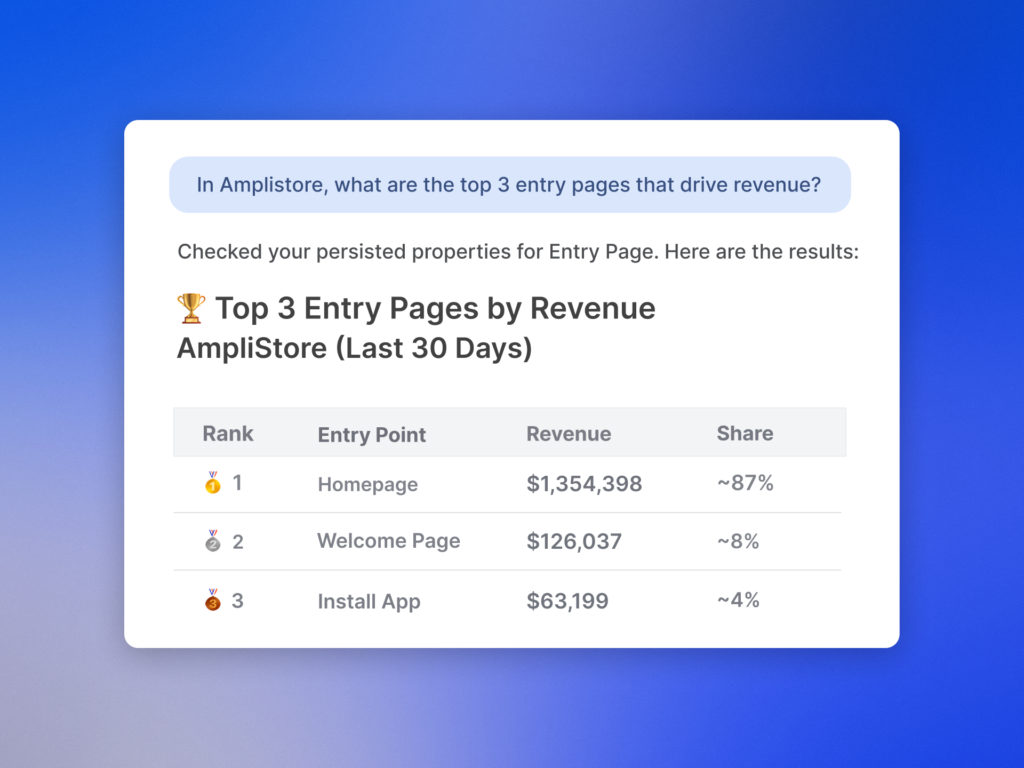
Tooling matters. Internal platforms that unify telemetry, usage metering, and pricing logic give FDEs the levers to diagnose and fix issues quickly. Layering AI agents on top of that foundation enables proactive recommendations—think unit-economics dashboards, anomaly detection on spend spikes, and automated playbooks that right-size workloads. With agent analytics in place, we can measure the value of each recommendation and continuously tune the system.
I’ve seen this model turn tense, cost-focused conversations into strategic planning sessions. Instead of debating line items, we co-design architectures that scale efficiently, with platform scalability and governance built in from the start. Customers appreciate the candor and the engineering rigor; teams appreciate how those field insights sharpen product strategy.
For leaders considering this path, start small and design for leverage. Stand up a single FDE pod focused on 2–3 high-potential customers. Codify playbooks for cloud cost optimization, instrument agent analytics from day one, and publish a weekly learning loop back to product. Within a quarter, you’ll know which interventions to automate, which to turn into product features, and which require deeper solutions engineering support.
The broader lesson is simple: when we merge FinOps discipline with customer-embedded engineering and AI-driven insights, we create a force multiplier. Customer FDEs don’t just help accounts spend less; they help them achieve more—sustainably, transparently, and with the confidence that comes from a platform (and a team) built to scale.
Inspired by this post on Amplitude – Perspectives.



Leave a Reply