
AI is reshaping how we build products, learn new skills, and lead teams. I’ve seen great organizations stall when training lags behind technology. That’s why we rebuilt our approach to product training from first principles—so every team can operate confidently with AI at the core of their product management practice.
Our north star is simple: operationalize AI Strategy for every product manager and cross-functional partner. We designed a learning system that shortens time-to-adoption, amplifies ROI, and links capability-building to clear, measurable outcomes.
Product School transforms product teams into AI-native organizations with training that accelerates adoption, maximizes ROI, and drives measurable growth.
That ambition informs how we design curriculum and delivery. We combine gen AI foundations, LLMs for product managers, applied product discovery, product roadmapping and sprint planning, and product management leadership. The learning experience blends case-based instruction with simulations and real product data so teams practice exactly how they’ll perform.
To ensure knowledge becomes behavior, we embed training directly into product workflows: in-app guides, product tours, onboarding sequences, and user activation loops tied to outcomes vs output OKRs. This closes the gap between knowing and doing, and it makes capability visible in the metrics that matter.
We focus on empowering product teams—clarifying decision rights, elevating accountability, and creating feedback loops that enable faster iteration. When teams own their roadmap and understand the AI building blocks, they move from experimentation to repeatable, scalable value creation.
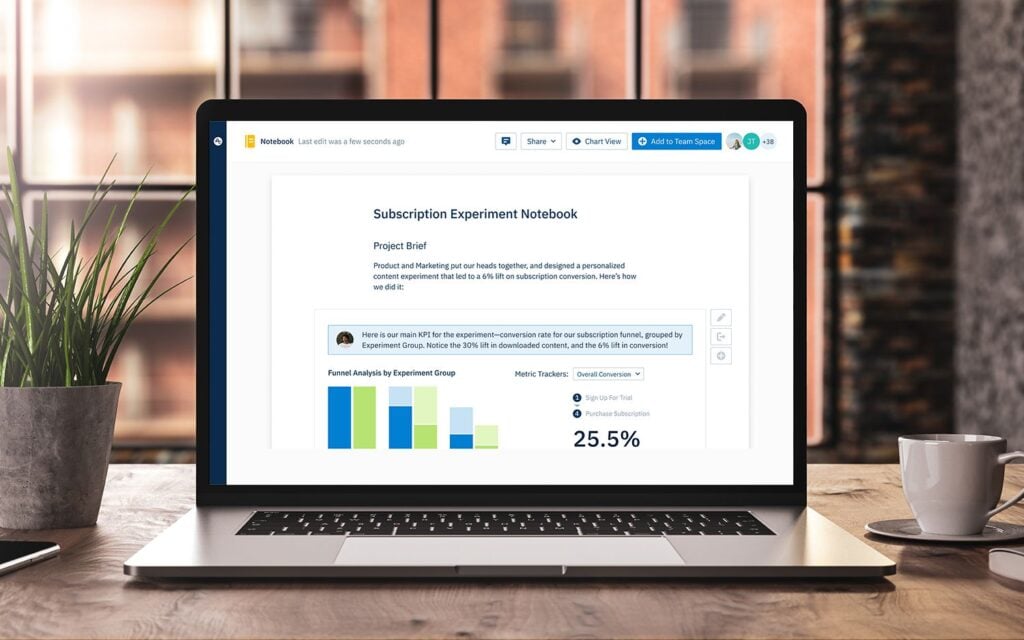
Measurement is built in from day one. We instrument for adoption, time-to-first-value, feature activation, and ROI attribution, enabling continuous improvement and transparent stakeholder communication. The result is a system that compounds learning into performance.
This is how we’re building AI-native organizations: practical, data-informed, and outcomes-driven. It’s not just training—it’s an operating model that helps teams learn faster, ship smarter, and grow with confidence.
Inspired by this post on Product School.









Leave a Reply