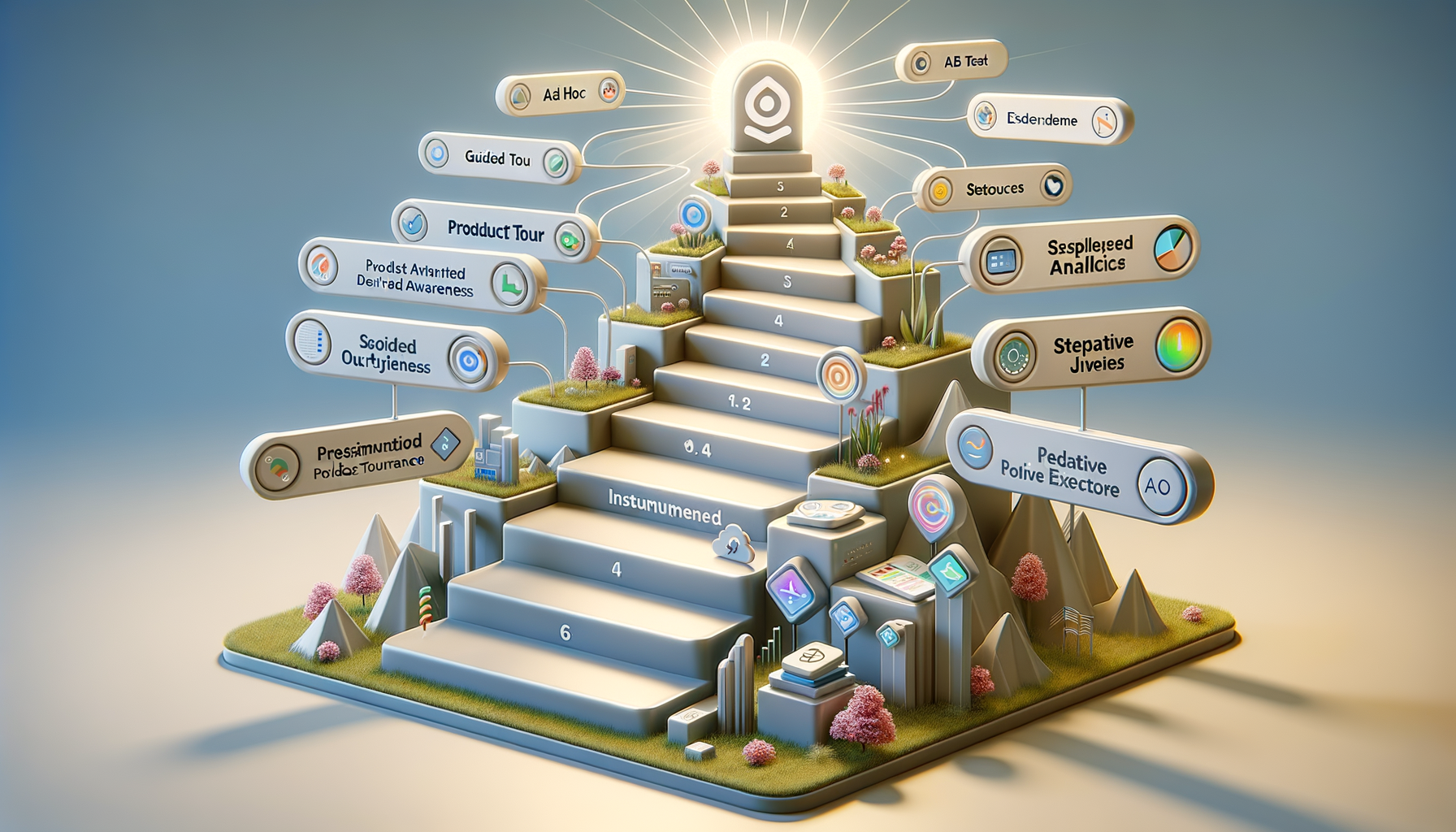
I’ve led product teams through chaotic launches, painful plateaus, and breakout growth, and one truth keeps showing up: software wins when the experience is intentionally designed, measured, and continuously improved. To make that work repeatable, I rely on a simple maturity framework that aligns our product strategy, analytics, and in-app experience work across the organization.
Find out where you stand—and what to fix first—with this maturity framework.
Why “software experience” and not just “features”? Because activation, adoption, and retention depend on how clearly users understand value in their first sessions, how seamlessly they complete key workflows, and how consistently they succeed over time. That’s where empowered product teams, product-led growth, and outcomes vs output OKRs come together to create durable results.
Stage 1 — Ad Hoc: At this level, teams ship features without a clear sense of who benefits, how success is measured, or how UX writing and onboarding shape outcomes. If this is you, fix this first: define your activation events, instrument the core funnel, and write concise, in-product copy that reduces friction. Even a lightweight retention analysis will reveal where value drops off.
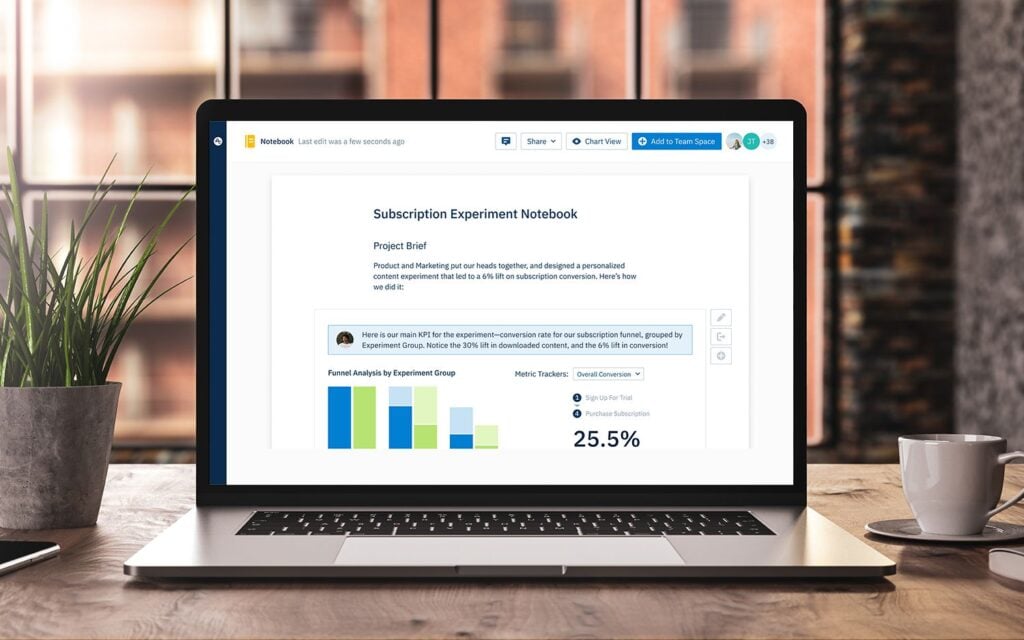
Stage 2 — Instrumented Awareness: You’ve added basic analytics and can see signups, activations, and drop-offs, often via tools like Amplitude analytics or a unified analytics platform. What to fix first: translate raw metrics into hypotheses and prioritize a small set of A/B testing experiments. Use a minimum detectable effect (MDE) to size tests, and start tracking leading indicators tied to adoption—not vanity metrics.
Stage 3 — Guided Journeys: Onboarding, in-app guides, product tours, and contextual tooltips now clarify value and reduce time-to-first-value. What to fix first: build a guided path to activation for your top two personas, then test microcopy and sequencing. Pair qualitative insights from user feedback with cohort-based retention analysis to ensure your guides create durable behavior change, not just clicks.
Stage 4 — Outcome-Driven Execution: Teams set outcomes vs output OKRs, run disciplined experiments, and connect learnings to roadmap decisions. What to fix first: standardize an experimentation playbook with clear guardrails for MDE, sample sizing, and stop rules. Align quarterly bets with a value proposition narrative that ties product discovery to measurable, customer-centric outcomes.
Stage 5 — Predictive and Proactive: You anticipate user needs with tailored experiences, automate nudges at the right moments, and systematize continuous discovery. What to fix first: unify data across product, support, and lifecycle channels to personalize experiences without eroding privacy-by-design. Invest in scalable governance so insights flow to product trios and forward deployed engineers quickly and safely.
How to use this framework: honestly score your current stage across analytics, onboarding, guidance, experimentation, and decision-making. Then pick the single change that removes the biggest bottleneck to the next stage—often a measurement gap, not a feature gap. Make improvements visible through product roadmapping and sprint planning, and celebrate progress to reinforce empowered product teams.
In practice, maturity is not a badge; it’s a habit. When we pair rigorous analytics with thoughtful in-app experiences and clear strategic outcomes, we compound learning and unlock growth. If you’re unsure where to begin, start small: instrument activation, improve one critical guide, and run one high-quality experiment. Momentum follows.










Leave a Reply