
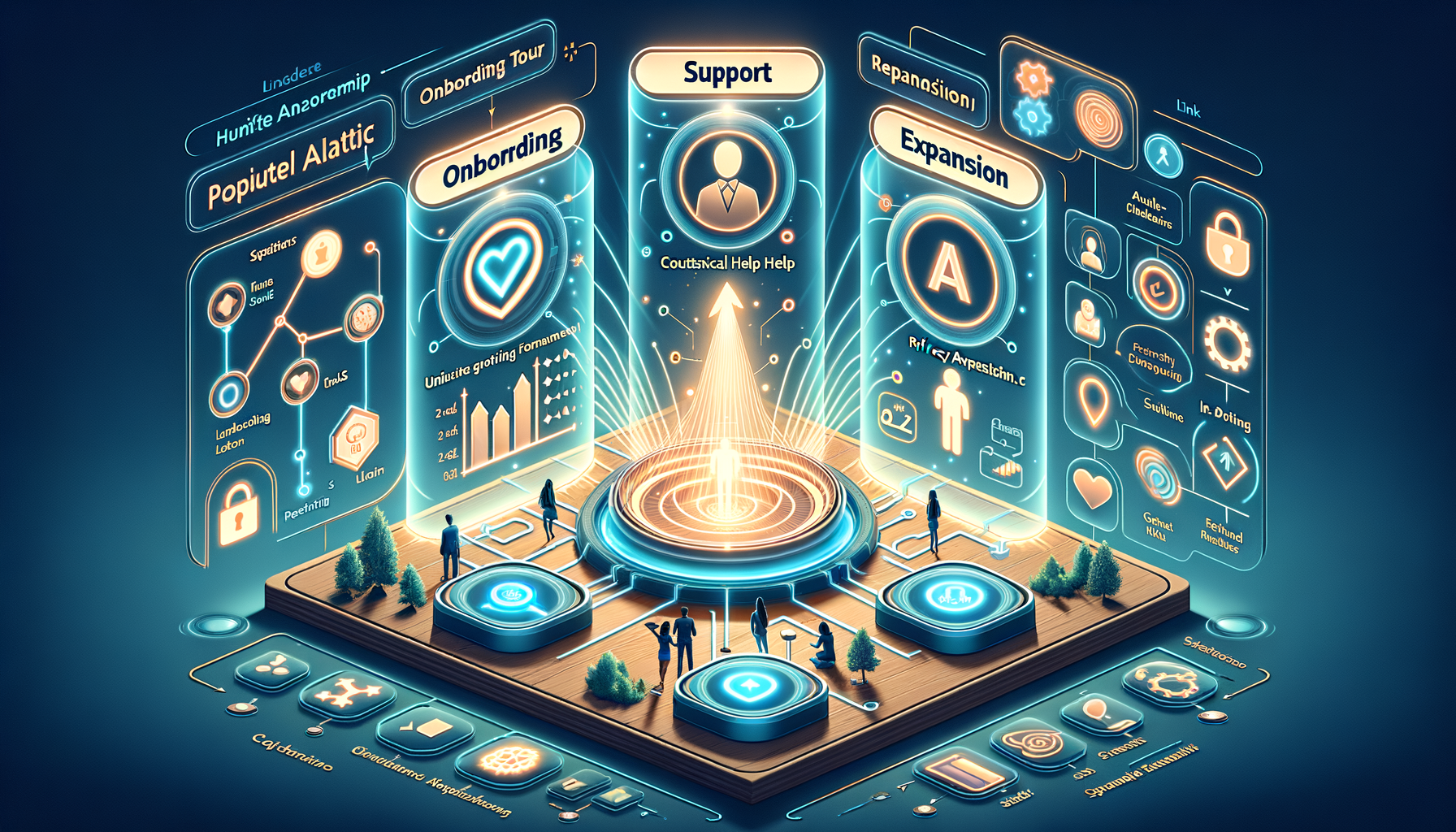
I’ve been reflecting on How Pendo’s Summer Release reimagines onboarding, support, and expansion in the SaaS + AI era, and it resonates deeply with the product-led playbooks my team and I use every day. The core promise is simple and powerful: “These three best practices aren’t new, but how you achieve them is.” That framing captures the shift I see across high-performing product organizations—same outcomes, radically upgraded execution through AI, in-app experiences, and unified analytics.
For onboarding, I prioritize accelerating user activation with clear product tours, in-app guides, and great UX writing that removes cognitive load. The difference now is how precisely we personalize these moments: segmentation driven by product usage, CRM integration, and experiments (A/B testing with a disciplined minimum detectable effect) help us craft paths that meet users where they are. When onboarding is instrumented this way, it becomes a scalable engine for product-led growth rather than a one-time setup task.
Support is undergoing an equally meaningful transformation. Contextual, in-app help combined with agentic AI can diagnose issues, surface relevant knowledge, and guide users without forcing channel switches. I’m bullish on this, but only when it’s anchored in privacy-by-design, AI risk management, and strong data governance—trust is the prerequisite for any customer support AI strategy. When done right, support shifts from reactive ticket resolution to proactive value delivery.
Expansion, to me, is the earned outcome of consistent product value. In the SaaS + AI era, we can use unified analytics to identify readiness signals—feature adoption, outcomes achieved, and time-to-value—and trigger timely, ethical nudges in-app. The best motions align offers with real customer milestones, whether that’s consumption SaaS pricing upgrades, role-based add-ons, or advanced capabilities unlocked through demonstrated need. This is product-led growth at its most customer-centric.
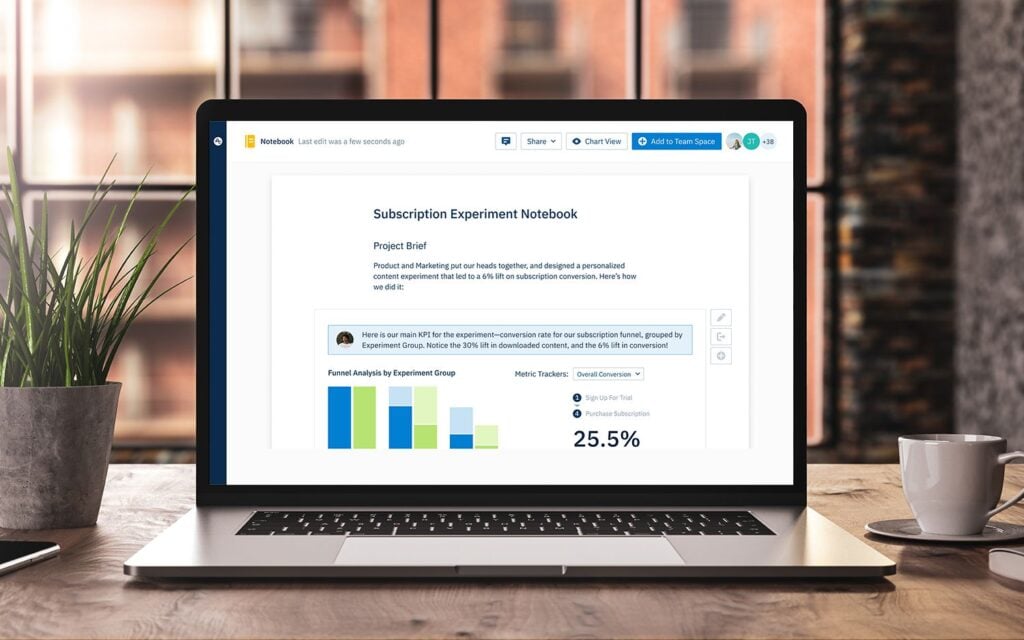
Underpinning all three motions is measurement discipline. I push for a unified analytics platform that ties together behavioral data, retention analysis, funnels, and cohorts with downstream CRM integration. That allows product trios to make fast, informed decisions and connect activation, support efficiency, and expansion to business outcomes. Whether your stack includes Pendo, Amplitude analytics, or custom pipelines, the principle is the same—one source of truth that informs action.
Execution matters as much as strategy. Empowered product teams working in tight product trios can ship small, valuable increments, run clean experiments, and learn faster than the market shifts. Strong stakeholder management and clear product roadmapping keep leadership aligned on outcomes vs output OKRs, so we’re funding what works and pruning what doesn’t. In my experience, this operational rigor is what turns promising ideas into durable competitive differentiation.
If you’re looking to operationalize these ideas, start by defining activation and expansion milestones that map to your value proposition. Instrument your in-app guides and product tours to support those milestones, and commit to an experimentation cadence with well-defined MDE. Layer in agentic AI carefully—pilot in the support surface where context is rich and stakes are clear—and enforce privacy and governance from day one. Finally, close the loop with unified analytics so every improvement compounds.
Pendo’s Summer Release highlights a broader reality: our industry isn’t inventing new destinations, we’re modernizing the routes. Onboarding, support, and expansion remain the pillars—but AI, in-app experiences, and integrated data make them smarter, faster, and more human. That’s the shift I’m leaning into—and the one customers feel immediately.
Inspired by this post on Pendo – Best Practices.








Leave a Reply