

Data collaboration isn’t a tool you buy; it’s a culture you build. In my role leading product teams, I’ve learned that the fastest way to better decisions is aligning on a shared language of metrics and weaving insights into our daily rituals. When we do that well, momentum compounds—roadmaps clarify, stakeholder debates get healthier, and teams ship with confidence.
Break down data silos and align teams with Amplitude: define shared metrics, share insights in Slack, and build better habits together.
Here’s how I operationalize that guidance. First, we create a crisp measurement framework—one North Star metric supported by a few input metrics that map to customer value. We document definitions in a living “metrics glossary,” enforce data governance, and design a clean Amplitude taxonomy so events, properties, and user identities are consistent across the product. This is the foundation of a unified analytics platform that everyone can trust.
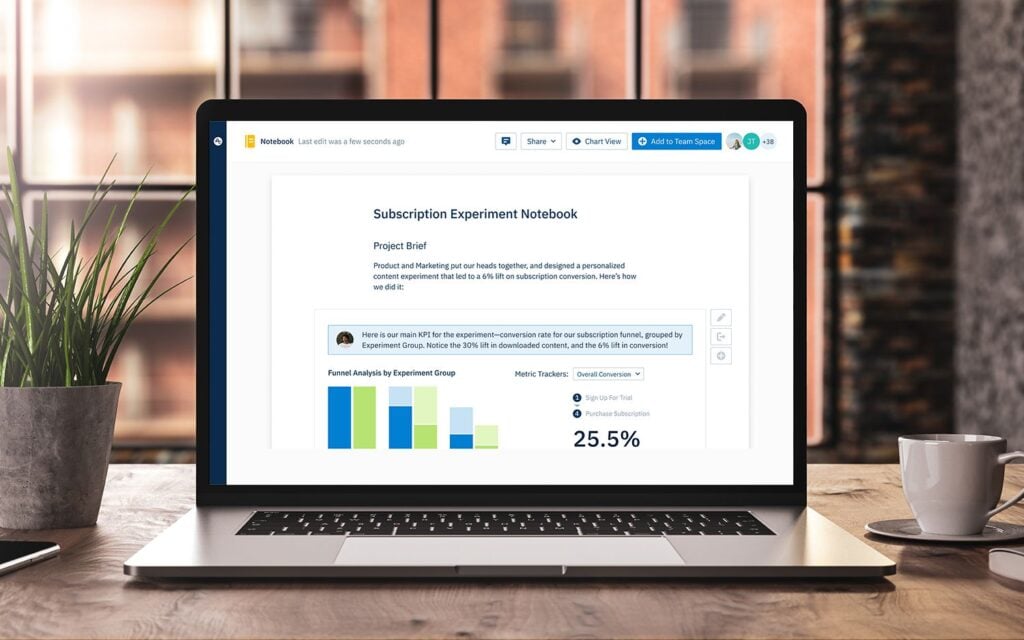
Next, we make insights unavoidable. Amplitude dashboards are curated by product trios and subscribed into Slack channels so context meets people where they work. I ask teams to pair charts with a one-paragraph narrative: what changed, why it likely changed, and what we’ll try next. This simple habit closes the loop between analysis and action—and it catalyzes product-led growth.
We institutionalize these behaviors in our operating cadence. Weekly insights reviews focus on outcomes vs output OKRs. Sprint planning starts with what the data says, not what we wish were true. In QBRs, we connect customer journeys to retention analysis and A/B testing results, making sure tests are designed with an appropriate minimum detectable effect (MDE). Empowered product teams own decisions; stakeholder management shifts from opinion trading to hypothesis testing.
A few pragmatic enablers make this stick: clean CRM integration to join product usage with lifecycle and segment data; privacy-by-design guardrails; clear ownership for instrumentation; and lightweight documentation that evolves with the product. I also encourage teams to ship in-app guides when we launch a feature so we can measure activation and iterate quickly based on Amplitude analytics.
The cultural side matters just as much. I celebrate learnings (even when metrics dip) and spotlight teams that translate insights into experiments quickly. Psychological safety unlocks better questions, and better questions unlock better products. Over time, this builds the high-trust environment required for durable, data-informed decision-making.
If you’re just getting started, pick one product surface and one customer journey. Define the shared metrics, wire up Amplitude, pipe key dashboards into Slack, and run a single, well-powered experiment. You’ll feel the difference in a sprint or two—and you’ll have a repeatable playbook to make data truly work together across your organization.
Inspired by this post on Amplitude – Best Practices.









Leave a Reply