

I’ve learned that the fastest way to stall growth is to scatter your data across a maze of dashboards and point solutions. My guiding principle is simple: Escape fragmented tools with a unified analytics platform that accelerates growth, reduces costs, and empowers smarter, real-time decision-making. When every team can trust a single source of truth, momentum compounds.
By “unified analytics,” I mean a single platform that integrates product, marketing, sales, support, and finance data with consistent definitions, shared metrics, and strong governance. The right foundation pairs real-time instrumentation and event streaming with standardized taxonomies and role-based access. This is what transforms raw data into reliable insight that product managers and executives can act on with confidence.
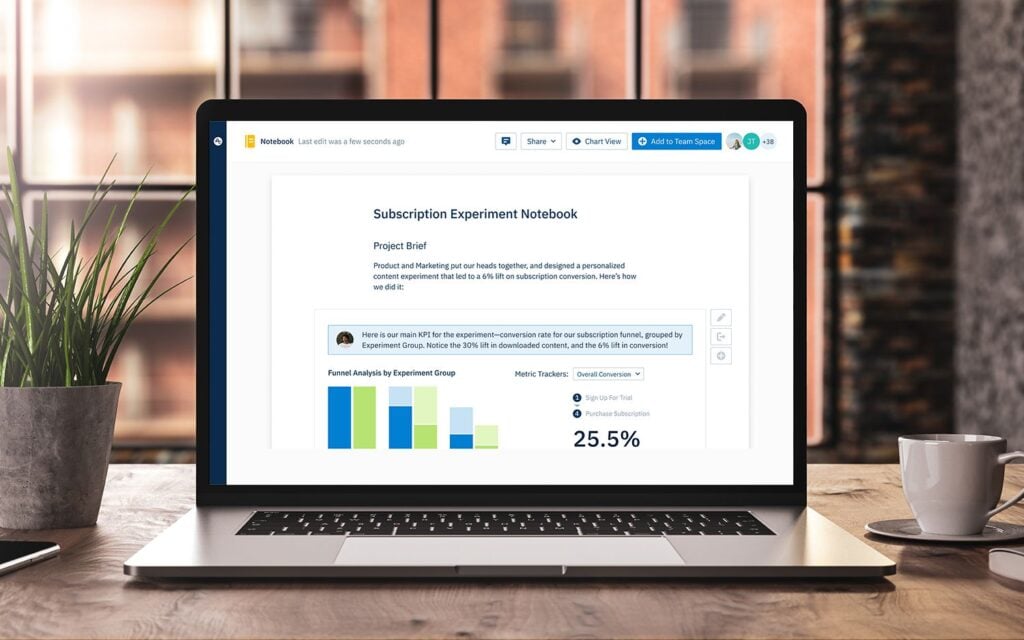
Growth accelerates when hypotheses move faster from discovery to delivery. A unified analytics platform tightens the experimentation loop, informs product discovery, and aligns product roadmapping and sprint planning with measurable outcomes. It anchors outcomes vs output OKRs in trustworthy metrics, so QBRs and executive reviews focus on impact, not anecdotes. The result is clearer prioritization, sharper bets, and faster compounding wins.
Costs come down just as decisively. Consolidating analytics reduces redundant SaaS, manual reporting, and bespoke pipelines that are expensive to build and maintain. With one data model, we cut duplication, improve data quality, and negotiate smarter under consumption SaaS pricing. Teams spend less time wrangling CSVs and more time shipping value.
Real-time decision-making is where unified analytics truly pays off. Proactive alerts and cohort insights surface anomalies before they become churn. LTV, funnel, and retention forecasts inform pricing and packaging moves. Layering gen ai on top of clean, unified data speeds synthesis and narrative insight, while a thoughtful customer support AI strategy connects voice-of-customer signals directly to the roadmap.
Implementation starts with clarity. Identify the highest-impact decisions you want to improve, map KPIs to events, and instrument end-to-end tracking with quality SLAs. Establish governance early, align stakeholders across data, engineering, RevOps, and finance, and empower product trios to own their metrics. With disciplined stakeholder management and empowered product teams, the platform becomes a force multiplier rather than another tool to maintain.
The payoff is strategic agility: faster learning cycles, lower operating costs, and confident calls made in the moment, not after the fact. If you’re ready to break free from fractured dashboards and lagging reports, commit to a unified analytics platform and let your data become a competitive advantage.
Inspired by this post on Amplitude – Best Practices.









Leave a Reply