
When AI transformation is your mandate at enterprise scale, clarity and pragmatism matter more than hype. My approach to prepare 11,000 employees for AI—with role-specific training, modular design, and human-AI collaboration for better results—rests on three commitments: deliver outcomes tied to real workflows, meet people where they are, and make adoption safer and faster than the status quo.
I start with role-specific training because context beats generic content every time. For product managers, we focus on prompt design for discovery, prioritization signals, and faster hypothesis validation. For engineers, we emphasize code generation quality, test coverage, and secure patterns. For sales and customer success, we build repeatable workflows for research, personalization, and objection handling. Tailoring instruction to each team’s daily work drives confidence, reduces friction, and accelerates time to value.
Modular design is how we scale without sacrificing quality. I break the curriculum into atomic learning units—micro-scenarios, checklists, and in-app guides—that can be remixed into learning paths by role, seniority, and region. This enables just-in-time onboarding, easier updates as gen AI evolves, and localized relevance without reinventing the core. Product tours and embedded nudges reinforce learning in the flow of work, ensuring people practice where the value actually occurs.
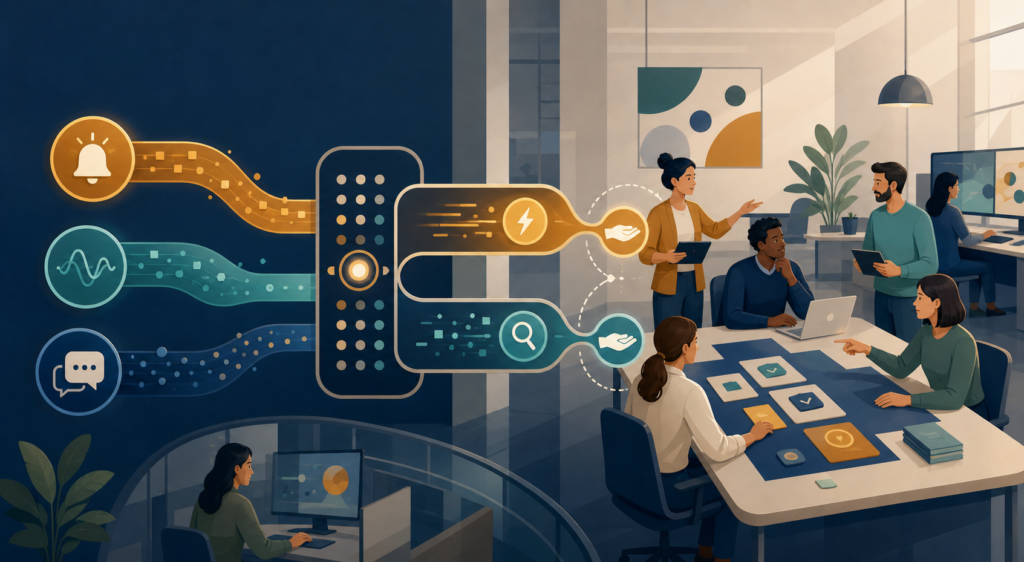
Human-AI collaboration is a deliberate practice, not a slogan. We codify co-pilot patterns, checkpoints, and RACI-like ownership so humans remain accountable for outcomes while AI accelerates inputs. Agentic AI is introduced behind guardrails: clear data governance, prompt libraries with approved patterns, verifiable sources, and audit trails. The result is speed and consistency, paired with the trust that leaders and regulators expect.
Change management is where strategy becomes reality. I partner with empowered product teams to co-create playbooks, nominate champions, and sequence rollouts by readiness and impact. We keep a tight feedback loop via office hours, internal communities, and role-based enablement so adoption feels like a product we improve, not a policy we enforce. This is product management leadership applied to culture, not just software.
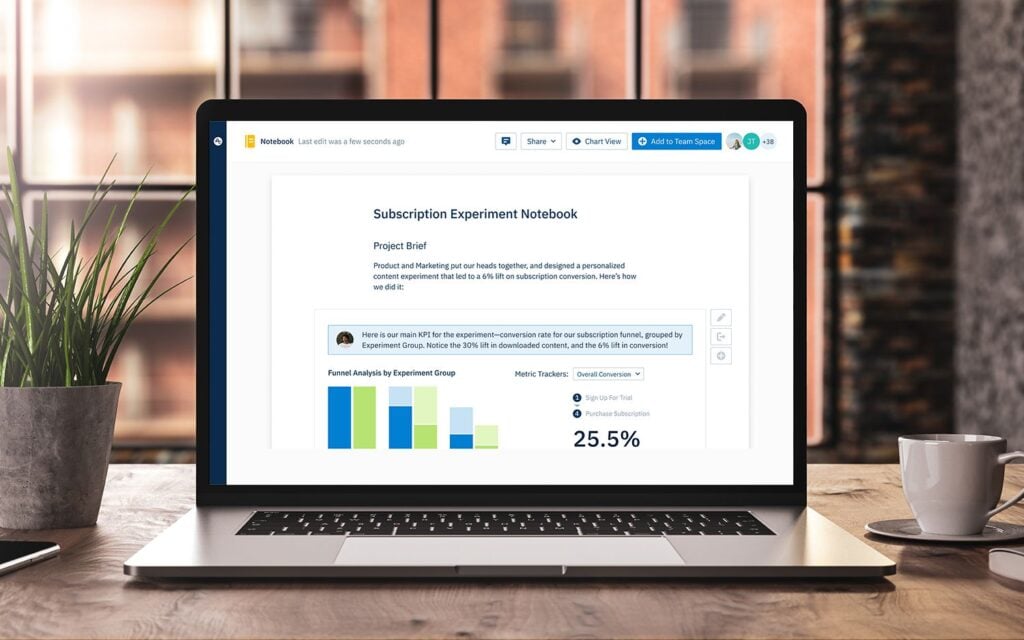
Measurement keeps us honest. I tie every enablement track to business outcomes—cycle time, win rates, customer satisfaction, and quality—validated through A/B testing where feasible. We monitor adoption, satisfaction, and proficiency, then iterate the content and tooling. When teams see their KPIs move, AI stops being an experiment and becomes part of how we win.
If you’re standing up your AI strategy, start small and specific, ship value fast, and scale through modularity. Role-specific training, modular design, and human-AI collaboration aren’t slogans—they’re a repeatable system for building durable capability across the organization.
Inspired by this post on Amplitude – Perspectives.








Leave a Reply