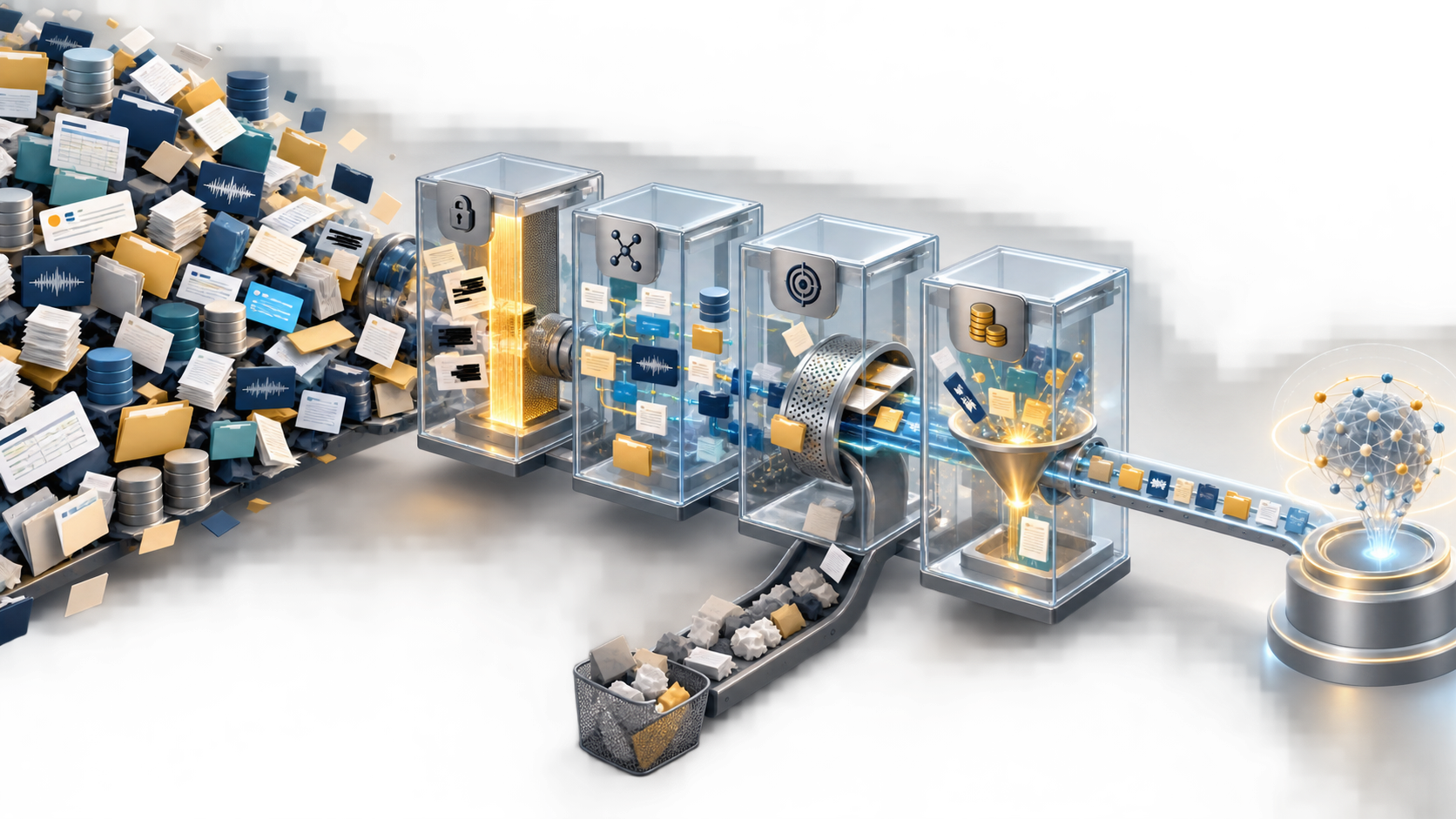
Support tickets are the rawest signal of product truth. Leading product teams at HighLevel, I’ve learned that the fastest way to build what customers value is to transform frontline conversations into a repeatable, data-driven system for discovery, prioritization, and execution.
What if your support and product teams could unlock CX insights to turn every ticket into strategic product intelligence? Explore how.
Here’s the operating system I rely on. First, I connect our support stack (think Intercom and our CRM integration) into a unified analytics platform so every conversation, tag, and resolution is queryable. I don’t just count tickets—I segment them by product area, customer segment, lifecycle stage, and revenue impact to reveal patterns that roadmaps can act on.
Next, we standardize a shared taxonomy. Agents apply concise, high-signal labels (problem type, severity, intent), and we augment that with AI-driven auto-tagging to reduce noise and improve recall. The result is trustworthy “voice of the customer” data that product managers and support leaders can both stand behind.
Prioritization then becomes rigorous and fair. I weight themes by severity, frequency, ARR exposure, and time-to-value, and tie them directly to outcomes vs output OKRs. Amplitude analytics helps me quantify impact—what’s breaking activation, what’s dragging conversion, what drives retention analysis—so the backlog reflects business outcomes, not opinions.
Discovery is continuous by design. Product trios (PM, design, engineering) run weekly reviews of the highest-signal themes, recruit users straight from recent tickets, and prototype solutions quickly. We validate ideas with A/B testing when appropriate and ship targeted in-app guides to reduce confusion before it becomes a ticket.
Crucially, we close the loop. When we release a fix or improvement, we notify affected customers and the agents who flagged the issue. We track downstream effects—ticket deflection, CSAT, feature adoption, and time-to-resolution—so everyone sees how customer support ai strategy accelerates product-led growth.
This approach also builds culture. Empowered product teams treat support as a strategic partner, not a cost center. Agents become co-creators of the roadmap, and PMs gain a steady stream of product discovery opportunities grounded in real user outcomes.
If you’re getting started, a simple 30-60-90 can help: in 30 days, unify the data and agree on taxonomy; in 60, instrument dashboards and adopt a weekly insights ritual; in 90, align priorities to OKRs, launch targeted fixes, and measure business impact. That’s how tickets turn into product truth—and how CX insights drive compounding wins.
Inspired by this post on Amplitude – Perspectives.