
I keep a running list of product wisdom that sounds great on a slide but quietly sabotages execution. Recently, I revisited that list after a deep conversation with a seasoned CPO from a leading security and compliance platform and reflected on how these lessons show up in my own operating rhythm. What follows is my practical playbook for scaling product organizations without losing speed, quality, or the soul of the product.
Most big-tech veterans struggle when they leap into startups because the safety net of process disappears. At a startup, the buck truly stops with you—there’s no committee to shield a decision and no process to rescue a weak plan. The mindset shift is simple to say and hard to do: own outcomes end to end, reduce your reliance on institutional scaffolding, and make decisions with incomplete information while keeping standards high.
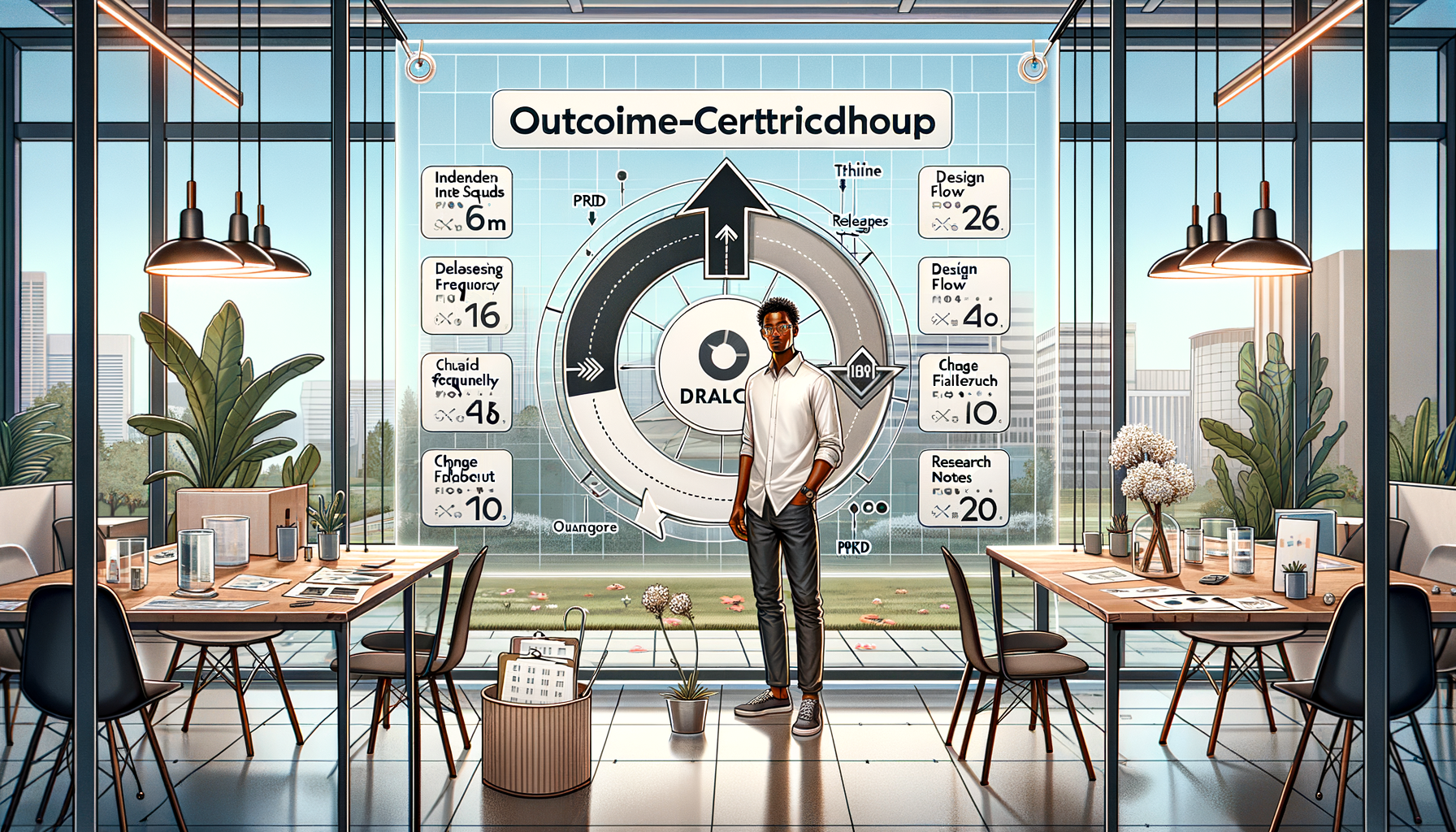
“Great product leaders stay in the details.” I sample artifacts every week—PRDs, design flows, user research notes, postmortems—and I read customer threads to calibrate my intuition. To maintain shipping velocity as headcount grows, I instrument a few critical indicators (deployment frequency, change failure rate) and favor outcomes over output. Data guides my attention; it never replaces judgment.
As teams scale, I use a blunt rule to keep speed high: small autonomous teams, small batch sizes, short feedback loops. One clear owner, one prioritized backlog, and weekly demos to customers. We ship thin slices, not big bangs. And “Great CPOs should avoid comfort metrics”—the easy dashboards that rise when nothing meaningful is moving. I push for outcome-centric OKRs tied to customer value, not vanity charts.
Rigid hierarchies derail quality decision-making. They slow signal, encourage escalation theater, and suppress the truth from the edges. I shorten paths between PMs, engineers, designers, research, and go-to-market leads, and I strip out stage gates that don’t add learning. Above all, I refuse to “Stop making your team fetch rocks”—randomized executive requests without context. Instead, I frame clear problem statements, explicit constraints, and observable success criteria.
Revenue and product can feel at odds, but they don’t have to be. The key to a quality CPO and CRO relationship is a shared operating model: one customer narrative, a joint pipeline of problems worth solving, and a common scorecard. We meet weekly, review the same signals, and align on sequencing: what we solve now for impact, what we stage for scale, and what we sunset to reduce complexity. When trade-offs get tough, we anchor on customer value and long-term defensibility.
Who ultimately oversees the quality bar? I do—and I do it through clarity, exemplars, and consistent feedback loops, not micromanagement. When I leave feedback, I make it actionable and specific: name the user scenario, note the friction, propose a sharper decision frame, and suggest a smaller, testable slice. I expect narrative memos and crisp acceptance criteria; I offer rapid, detailed responses so momentum never stalls.
Open office hours are my forcing function for transparency and speed. Anyone can bring a thorny escalation, a design in progress, or a customer insight. Pair that with weekly 1:1s—non-negotiable for developing leaders and unblocking work—and the organization learns to surface issues early, make faster decisions, and self-correct without drama.
Here’s a glimpse into my working week: Mondays set priorities and confirm the few decisions that matter; midweek is for deep reviews across roadmap, research, and engineering readiness; Thursdays I’m with customers and partners; Fridays I write and synthesize. I leave space for unscripted time with individual contributors—because ICs are the unsung heroes of a company—and I celebrate excellent craft out loud.
The hardest leadership skill is knowing when to push and when to give space. I push on clarity, sequencing, and quality; I give space on solutions and implementation paths. I reject comfort metrics, reinforce outcomes vs. output, and keep the organization close to customers and details. If you’re stepping from big tech into a startup or scaling your product org through rapid growth, these practices will help you ship faster, decide better, and raise the quality bar without burning out your team.






Leave a Reply