

I’ve learned the hard way that the toughest part of launching in-app agents and guided experiences isn’t the build—it’s proving, quickly and credibly, that they move the business. If I can’t quantify adoption, engagement, deflection, and time-to-value, stakeholder confidence erodes and iteration slows. That’s exactly why an Agent Analytics capability matters: it turns opaque interactions into measurable outcomes that product, customer success, and engineering can all act on.
When I evaluate a capability like Agent Analytics, I anchor on a few questions. Which segments adopt the agent, and where does engagement drop? What fraction of issues are successfully deflected versus escalated? Which prompts, product tours, and in-app guides drive conversion and retention—and which add friction? How does agent usage correlate with onboarding completion, core feature activation, and long-term retention analysis? If I can answer those with a unified analytics platform, I can prioritize confidently.
Increase revenue, cut costs, and reduce risk with Pendo’s Software Experience Management platform. Optimize the entire software experience to drive adoption and improve engagement.
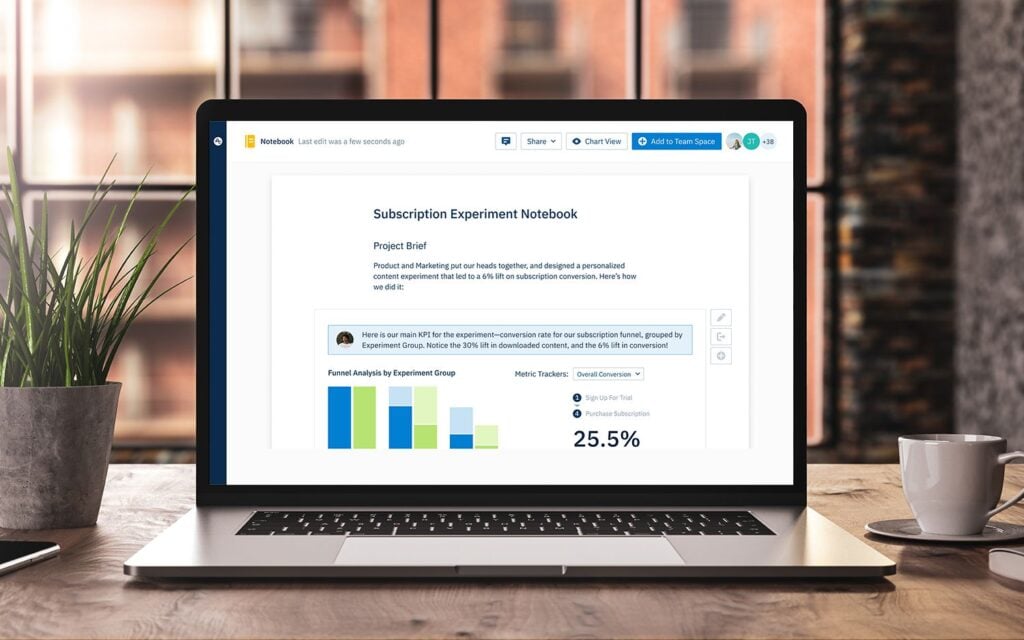
In practice, I map an outcomes-first measurement plan: define a north-star (e.g., activated accounts), articulate contributing metrics (guide completion rate, agent task success, session depth), then run targeted A/B testing on copy, timing, and placements. With the right analytics, I can compare cohorts exposed to in-app guides and product tours against a control, validate impact, and double down on the patterns that consistently improve adoption and stickiness.
Cost and risk are just as important as growth. An effective Agent Analytics view helps me model support deflection, time-to-resolution, and escalation rates so I can quantify cost savings without sacrificing quality. On the risk side, I look for early-warning signals—low-confidence responses, repeated handoffs, or anomalous usage—so I can intervene before they turn into churn or brand concerns. The point isn’t vanity metrics; it’s operational clarity that enables responsible, scalable product-led growth.
This also changes team dynamics. Product trios get a shared source of truth for decisions, engineering gains sharper specs informed by real behavior, and customer-facing teams can see which experiences reliably unlock value for each segment. Instead of debating opinions, we iterate on evidence—tightening the loop between product roadmapping and sprint planning, UX writing, and go-to-market strategy.
My 90-day playbook looks like this: establish a baseline for adoption and engagement; instrument agent interactions end to end; ship two or three small, high-leverage experiments in onboarding and help experiences; and review results in weekly rituals. By day 90, I expect to see a clear line from agent engagement to activation and retention, along with a repeatable testing cadence that compounds learning.
I’ve seen the same pattern across products and markets: once teams illuminate the black box of in-app assistance with rigorous, actionable analytics, customer confidence rises, onboarding accelerates, and roadmaps get sharper. If you’re evaluating Pendo or already running it, put Agent Analytics at the center of your measurement strategy—and let your data, not assumptions, guide the next iteration.
Inspired by this post on Pendo – Perspectives.









Leave a Reply