

I’ve learned the hard way that experiments stall when they’re treated like items to check off a backlog. Real impact shows up when experimentation becomes the way we think, plan, and decide—every day, across the entire product organization.
Successful experimentation isn't just about adopting new tools or running more tests. It’s about changing company culture.
At HighLevel, I anchor experimentation in outcomes, not output. We form product trios and empower product teams to own the problem, link work to outcomes vs output OKRs, and commit to fast learning loops. This isn’t about more activity; it’s about better decisions, tighter focus, and measurable customer value.
Our teams write crisp hypotheses, define decision rules up front, and set a minimum detectable effect (MDE) before any A/B testing begins. That small discipline prevents “result fishing,” speeds up decisions, and aligns everyone on what will constitute a real signal versus noise.
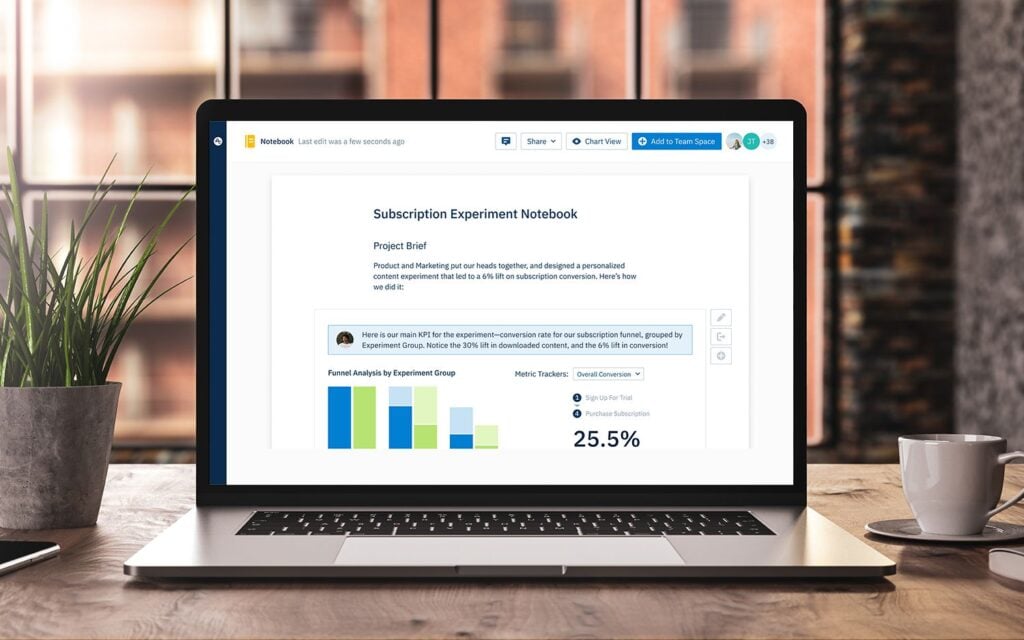
Tooling helps, but only when it serves the culture. We instrument experiences end-to-end, lean on Amplitude analytics within a unified analytics platform, and run retention analysis alongside acquisition metrics so we don’t celebrate shallow wins. The goal isn’t dashboards; it’s actionable insight that improves product-market fit lessons and informs the next iteration.
Rituals make the culture durable. We review experiments weekly, tie learnings back to OKRs during QBRs, and celebrate invalidated hypotheses as progress. That psychological safety turns “being wrong” into momentum, reinforcing product management leadership behaviors we want to scale.
We also invest in decision hygiene: clear problem statements, pre-registered success criteria, and simple templates that make it easy to do the right thing quickly. Over time, this reduces debate theater and increases the surface area for discovery—more time with customers, more signals, and more conviction in our bets.
If you’re starting from scratch, begin small: pick one critical journey, articulate a hypothesis, choose a primary metric and MDE, run a lean A/B test, decide ahead of time how you’ll act on outcomes, and close the loop publicly. Repeat that cadence until it becomes muscle memory. That’s how experiments stop being one-off projects and start compounding into product-led growth.
When experimentation is a culture, not a task, teams move faster, leaders make clearer tradeoffs, and customers feel the difference. That is the habit I continue to build—one hypothesis, one decision rule, and one learning loop at a time.
Inspired by this post on Amplitude – Perspectives.







Leave a Reply