Some software companies endure and compound while others flash and fade. As a product leader, I’m constantly studying why, and I keep returning to a set of timeless principles that bridge strategy, culture, and execution. In this personal reflection, I synthesize lessons that help teams build software companies that last—and products customers love—while sharing how I apply them day to day.
Alyssa Henry is the former CEO of Square, a financial services company providing products and services used by over 4 million merchants. Formerly at Amazon, Alyssa led the development and growth of Simple Storage Service (S3) at AWS. Alyssa now serves as an Independent Director at Intel and Confluent.
Here’s the lens I use to unpack durable product leadership: Lessons from Amazon, Microsoft, and Square; “Minimum Remarkable Products” versus Minimum Viable Products; Navigating different work cultures in big tech; Insider reactions to the disruptive launch of AWS; “Pioneer” versus “fast-follower” companies.
Across companies and stages, I’ve found “Noticeable consistencies in the human condition” that matter far more than we admit: people seek meaning, clarity, and momentum. “Differences in culture at Amazon, Microsoft and Square” are real, but the constants are trust, ownership, and a shared definition of excellence. When those are explicit, performance scales; when they’re implicit, friction compounds.
One lesson that’s both provocative and practical is why “customers come first,” even above employees and community. In my teams, this doesn’t license burnout or disregard for stakeholders; it creates a north star that aligns trade-offs. We use customer impact as the tie-breaker, and we protect teams with smart scoping, pacing, and support. It’s also why “Why fast-followers can be less customer-focused” resonates—if your compass is your competitor, you’ll under-index on original customer insight.
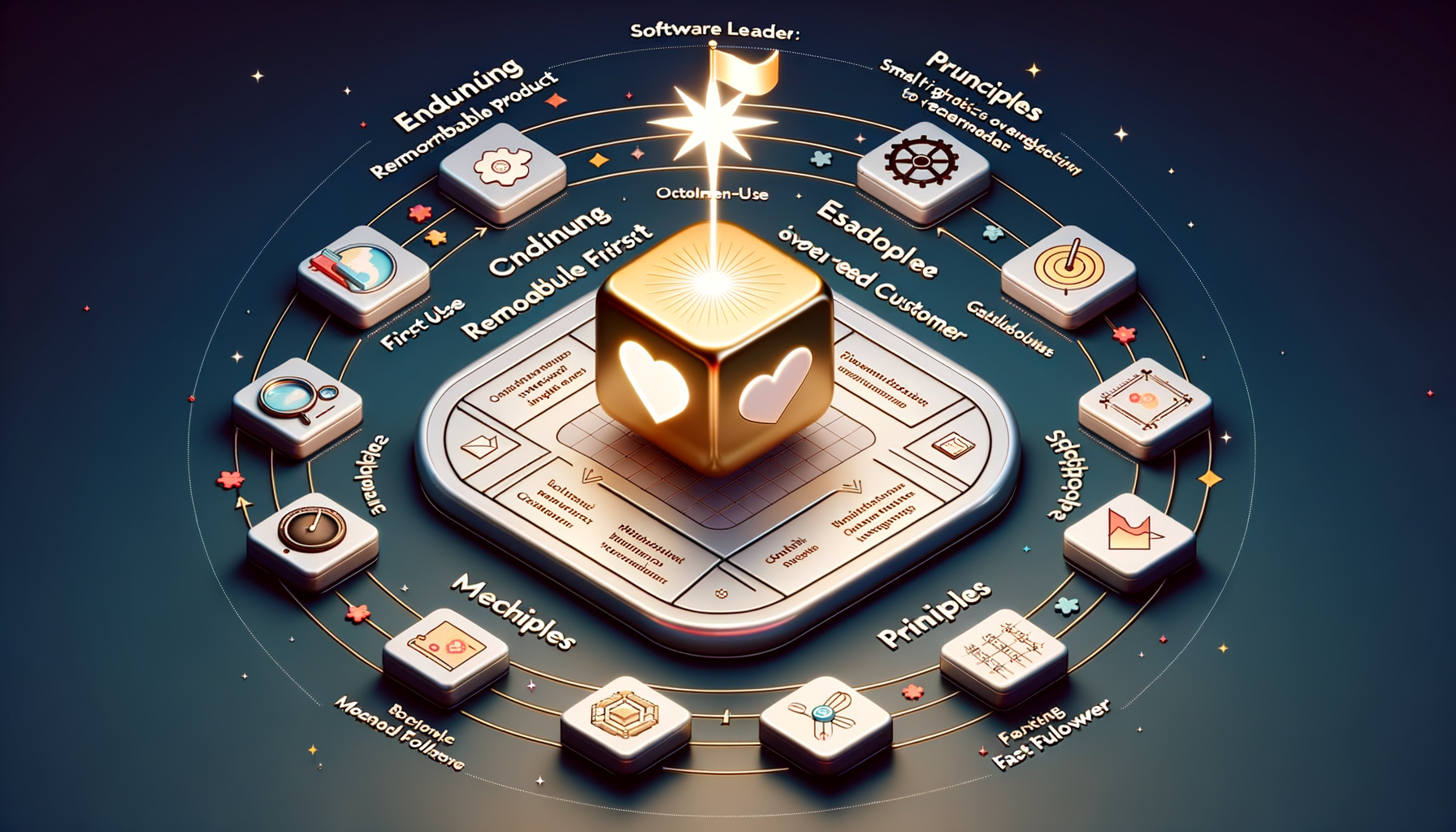
On product craft, I favor “Minimum Remarkable Products” versus Minimum Viable Products. Viable ships; remarkable endures. “Building Minimal Remarkable Products at Square” highlights the bar: a crisp, opinionated slice that is usable, lovable, and unmistakably on-brand. To get there, we obsess over the first-use moment, default choices, and the shortest path to value. Then we “How to scale an aesthetic” without creating a design monoculture—by codifying principles, not just patterns.
Companies that last operationalize culture. “The importance of effective communication systems” can’t be overstated: single sources of truth, clear decision records, and explicit ownership reduce entropy. Next, “How to operationalize company values” means translating beliefs into behaviors (interview rubrics, launch checklists, escalation paths). Finally, “Why shared beliefs are crucial for good company culture” reminds me to ask: do our rituals reward the behaviors we claim to value?
Org design is strategy in slow motion. From “Org design lessons from Square,” I’ve learned to align structure to the customer journey and the business model, not to personalities. “How to align different teams behind business priorities” requires ruthless clarity on outcomes, not tasks—this is where outcomes vs output OKRs keep us honest. When incentives, metrics, and roadmaps point at the same target, coordination costs fall and velocity rises.
Competition is the crucible for focus. “Lessons learned from fierce competition” taught me to pick our battles and compound strengths. The “fast follower” vs “pioneer” playbook isn’t binary; it’s a portfolio. Pioneer when you have a unique insight or distribution advantage; fast-follow when the category is proven but customer dissatisfaction remains high. Either way, anchor to the customer’s job-to-be-done.
I’m also inspired by platform thinking at scale. “The original thinking behind AWS” and “The unlikely origin of Amazon CloudFront and other products” illustrate how small, well-defined primitives become ecosystems when coupled with relentless customer feedback. “How Jeff Bezos influenced Alyssa” underscores the power of mechanisms over slogans—leaders who institutionalize their bar raise everyone’s game.
When joining a new company, I start with “Joining Square and “building a picture” of the org.” I map decision flows, interfaces, and dependencies before proposing changes. Then “Knowing what to replicate from past companies” and “Questioning norms in new companies” become complementary moves: borrow proven mechanisms, but stress-test assumptions against the current context. That’s how you avoid cargo culting and create fit-for-purpose systems.
Timestamps: (00:00) Introduction; (02:20) Lessons from Microsoft and Amazon; (08:29) Noticeable consistencies in the human condition; (10:50) Differences in culture at Amazon, Microsoft and Square; (13:27) Why “customers come first,” even above employees and community; (14:01) Why fast-followers can be less customer-focused; (15:50) The challenge of commercializing research projects; (18:58) Joining Square and “building a picture” of the org; (24:55) Knowing what to replicate from past companies; (27:45) Questioning norms in new companies; (28:41) The importance of effective communication systems; (31:31) How to operationalize company values; (33:38) Why shared beliefs are crucial for good company culture; (37:05) Building Minimal Remarkable Products at Square; (38:13) How to scale an aesthetic; (42:46) Org design lessons from Square; (50:06) How to align different teams behind business priorities; (52:57) Lessons learned from fierce competition; (57:39) The “fast follower” vs “pioneer” playbook; (61:05) The original thinking behind AWS; (66:08) The unlikely origin of Amazon CloudFront and other products; (73:47) How Jeff Bezos influenced Alyssa.
Referenced: Amazon: https://www.amazon.com; Amazon Web Services: https://aws.amazon.com; Bill Gates: https://www.linkedin.com/in/williamhgates; Block, Inc: https://block.xyz; Cash App: https://cash.app; Fast Company – Back To Square One: https://www.fastcompany.com/3033412/back-to-square-one; Gokul Rajaram: https://www.linkedin.com/in/gokulrajaram1; Jack Dorsey: https://twitter.com/Jack; James Hamilton: https://www.linkedin.com/in/jameshamilton4; Jeff Bezos: https://twitter.com/jeffbezos; Microsoft: https://www.microsoft.com; Oracle Corporation: https://www.oracle.com; Sarah Friar: https://www.linkedin.com/in/sarah-friar; Square: https://squareup.com; Tom Szkutak: https://www.linkedin.com/in/tom-szkutak-4b59817; WSJ – Mobile-Payments Startup Square Discusses Possible Sale: https://www.wsj.com/articles/SB10001424052702303825604579513882989476424.
If you lead product or aspire to, my challenge is simple: pick one mechanism to strengthen this week—tighten your communication system, raise your MRP bar, or sharpen your outcome metrics. Enduring companies are built the same way enduring products are: one remarkable, customer-centric decision at a time.








Leave a Reply