
When I think about building a world-class sales organization from scratch, I look for playbooks forged in the hardest part of the journey: zero to one. Kyle Parrish, Figma’s first sales hire, built the company’s zero-to-one sales engine from scratch. Figma now has more than 3 million monthly users. Prior to Figma, Kyle spent 5 years at Dropbox in various sales roles. At Dropbox, Kyle successfully launched and scaled the Austin office to 100+ people, and then led the enterprise sales function in San Francisco and New York. Those facts anchor a set of timeless lessons I’ve applied in product management leadership and in partnering with sales to drive product-market fit and revenue.
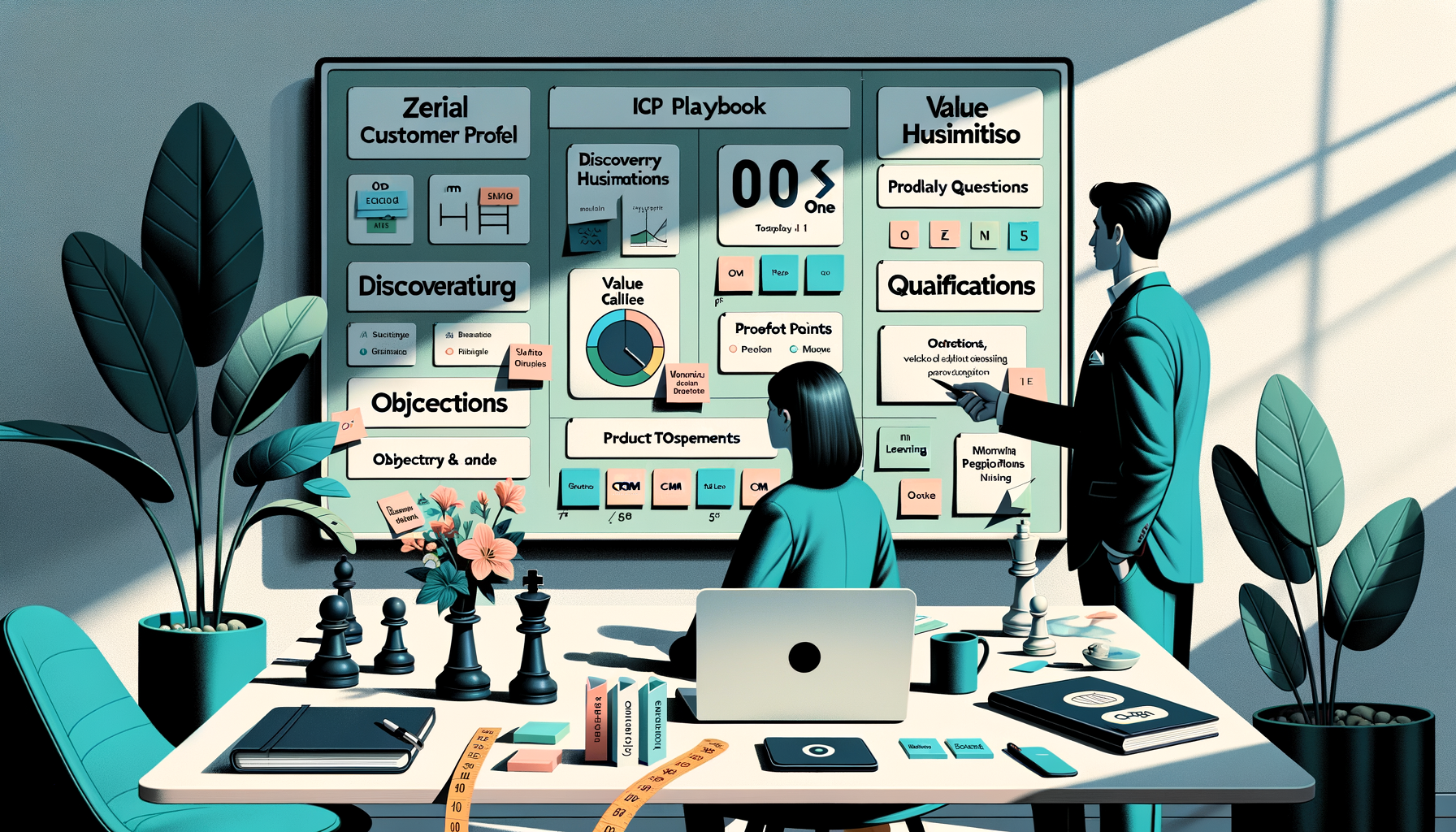
The right time to build a sales function is when founder-led sales start to constrain learning speed and repeatability. Before hiring, I pressure-test three inputs: a clear ideal customer profile, a crisp value hypothesis supported by real usage, and a repeatable early sales motion that I can document. If I can’t capture the core narrative, top three proof points, and the qualification rubric on one page, I’m not ready to scale. That discipline protects runway and focuses product discovery on what truly moves the needle.
Who to hire first matters even more than when. I look for a builder-athlete—someone who thrives in ambiguity, writes their own talk tracks, and views every customer interaction as a product feedback loop. This person should be comfortable with founder-level context switching: discovery in the morning, enablement at lunch, and early pipeline surgery in the afternoon. I prioritize curiosity, writing clarity, and a history of winning in imperfect environments over shiny logos or rigid playbook adherence.
Integrating your first sales hire is as critical as selecting them. I embed them with product and support in the first 30 days, pair them with a designer or PM on weekly customer sessions, and give them a public Notion or doc to codify objections, narrative experiments, and qualification notes. The goal isn’t velocity at all costs—it’s precision learning at speed. That early collaboration helps us transition cleanly away from founder-led sales while preserving the product’s authentic voice.
Early sales motion should be simple, specific, and measurable. I start with a tight segment, insist on consistent discovery questions, and run weekly film reviews on calls to refine our narrative. If customers force me to constantly re-explain what we are, I treat that as a sign to evolve the story. It’s common to change the customer narrative as you learn which use cases actually land and expand. The best motions translate product magic into business outcomes without diluting what makes the product beloved.
On hiring and scaling, I favor a bar-raiser approach. The ideal experience sales candidates should have is less about title and more about evidence of building: writing the first playbook, proving repeatability, and showing that they can recruit talent better than themselves. Common traits of successful salespeople at this stage include intellectual humility, a builder’s bias, and an almost editorial standard for customer communication. I’ve seen unique hiring processes—live role plays with real customer objections, writing-based exercises, and cross-functional panels—consistently reveal signal that traditional interviews miss.
Outbound strategy should start narrow and be relentlessly measured. A small number of well-defined hypotheses, clean data, and tight messaging loops beat high-volume outreach every time. I’ve also seen segmented pricing and no discounts create the right incentives for clarity and value alignment. While discounting can appear to accelerate wins, it often erodes positioning and invites endless custom deals that break the product roadmap.
World-class sales culture is product-centric, rigorous, and kind. It prizes candor without ego, craftsmanship in discovery, and a respect for time—customers’ and teammates’. In practice, that looks like crisp deal reviews, transparent pipeline hygiene, and shared ownership of learning with product and engineering. Navigating the founder/Head of Sales relationship is easier when you align on definitions of a qualified opportunity, the ladder of proof for a narrative, and the weekly operating rhythm.
For ambitious salespeople, I offer straightforward advice: choose products you genuinely admire, ask better questions than everyone else, and write your learnings in public within the company. Your career compounds fastest when you become the teammate product and design proactively loop in. For early leaders, the most underrated skill is scaling yourself—documenting decisions, building systems that outlast you, and coaching your team to be better than you were at the same stage.
I’m often asked what differentiates exceptional founding leaders and early go-to-market operators. The secret to Dylan Field’s success is frequently framed around vision and product taste, but I also see a remarkable capacity to listen deeply and operationalize feedback without losing the soul of the product. Similarly, I’ve seen leaders like Oliver Jay model crisp execution and high-velocity learning—reminders that culture and cadence are strategic assets, not afterthoughts.
If you’re about to hire your first salesperson, simplify the brief: clarify who you serve, why you win, and what great looks like in the first 90 days. Start with a small, high-talent nucleus united by a passion for the product, then layer process only where it accelerates learning. Do a few important things exceptionally well, and let the results pull you toward scale rather than trying to push your way there prematurely.










Leave a Reply