I’ve led product teams through countless discovery cycles, and nothing has accelerated our learning loops like AI. By weaving AI into our continuous discovery practice at HighLevel, I cut time-to-insight, reduce risk earlier, and keep our product strategy relentlessly focused on customer outcomes.
AI streamlines product discovery by accelerating research, prototyping, and validation, enabling teams to make faster, smarter, and user-driven decisions.
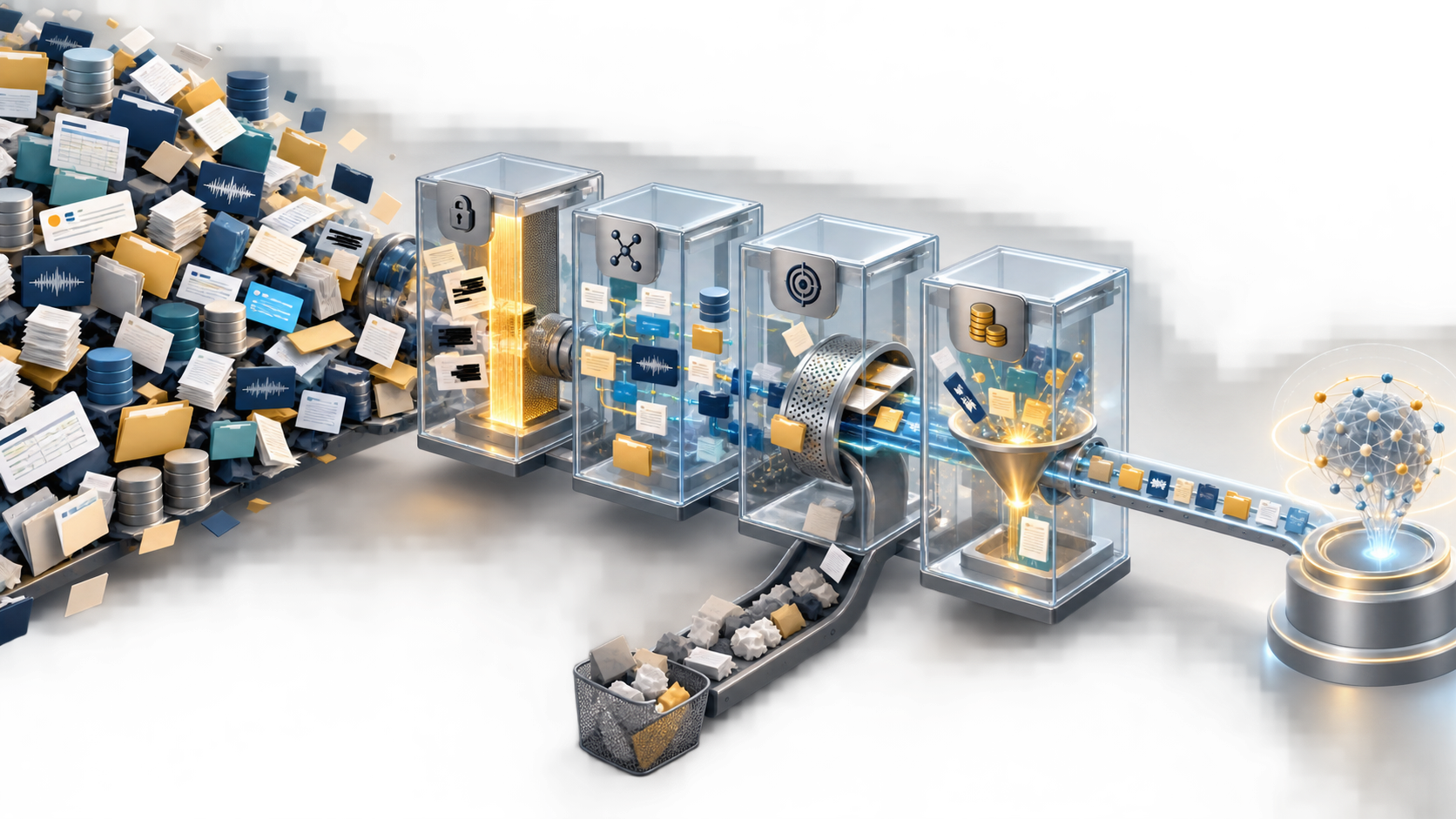
In the research phase, I use gen ai and LLMs for product managers to synthesize interviews, cluster themes, and surface unmet needs in minutes instead of days. Pairing those qualitative insights with behavioral signals in Amplitude analytics helps me spot high-intent cohorts and friction points at scale, so our problem framing is both human-centered and data-backed.
From there, I translate insights into crisp hypotheses and prioritize with the Kano Model and outcomes vs output OKRs. To keep experiments honest, I define a minimum detectable effect (MDE) up front and design A/B testing plans that reflect realistic traffic and seasonality, ensuring our decisions are statistically grounded rather than anecdotal.
Prototyping is where gen ai for product prototyping really shines. I spin up multiple UX flows, UI copy variants, and edge-case scenarios using prompt engineering, then iterate with rapid feedback from product trios. When needed, I mock in-app guides and product tours to validate onboarding concepts before we commit to code, preserving velocity without sacrificing quality.
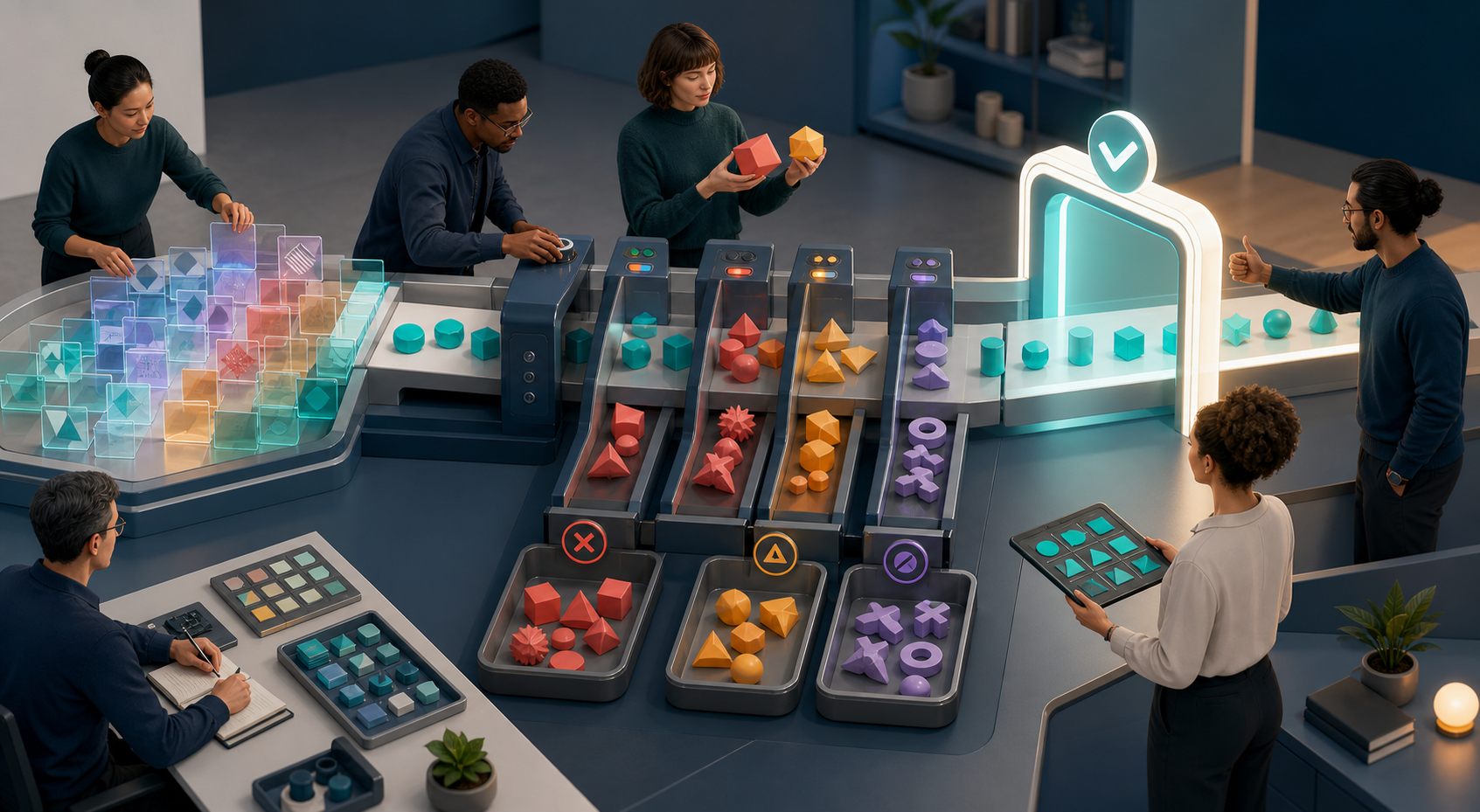
For validation, I lean on a mix of lightweight experiments—fake-door tests, concierge pilots, and targeted A/B testing—augmented by in-product surveys via Pendo or Intercom. For AI-powered features, I apply eval-driven development to measure relevance, latency, and safety, so we can ship responsibly while maintaining the pace of learning.
This approach only works when the team is structured to move fast. Empowered product teams and product trios own discovery end-to-end, with clear guardrails around data governance, privacy-by-design, and AI risk management. That alignment lets us shift from opinions to evidence, and from output to outcomes, without friction.
If you’re getting started, pick one discovery loop to transform: automate research synthesis, prototype two to three variants with AI, and validate with a tightly scoped experiment. Instrument your analytics, track time-to-insight and time-to-prototype, and iterate your product roadmapping and sprint planning with what you learn. The payoff is immediate: faster cycles, stronger conviction, and a more user-driven path to product-led growth.
Inspired by this post on Product School.