I’ve been exploring what I call the next level of vibe coding: orchestrating agentic AI to build complex product artifacts in minutes, not days. The breakthrough comes from ditching linear handoffs and embracing true parallelism—letting specialized agents tackle the work simultaneously while I steer the orchestration. In product management contexts where speed and clarity matter, this shift changes everything.
Building a KPI Driver Tree in two hours becomes possible when you stop building sequentially and start building with parallel agents.
For product leaders, a KPI Driver Tree is the fastest way to make strategy legible. It ties high-level outcomes to the levers we can actually pull—features, channels, pricing, onboarding, activation, and retention mechanics—so we can prioritize with confidence. Done well, it connects outcomes vs output OKRs, clarifies measurement, and aligns the team around a shared, testable model of growth.
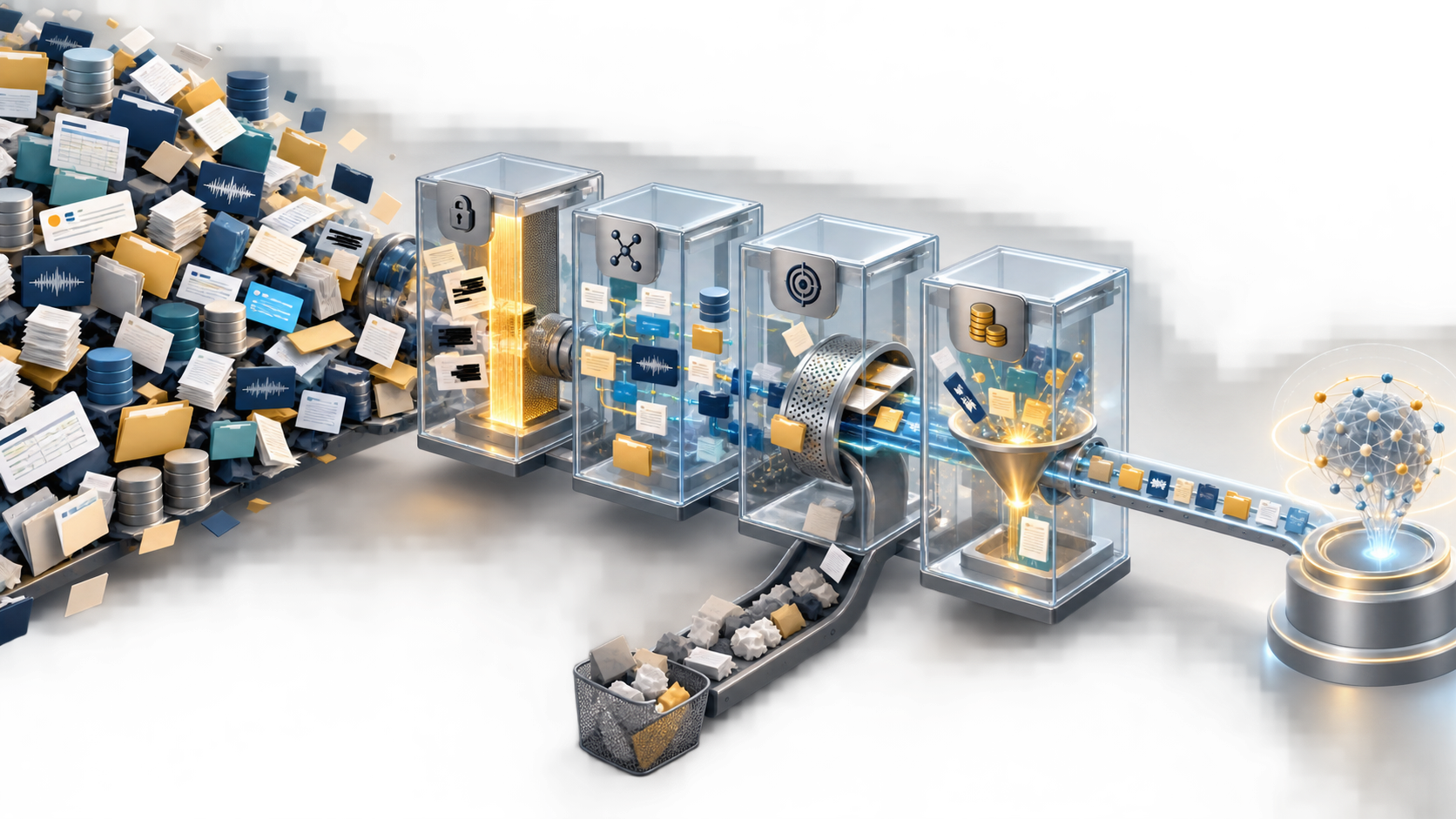
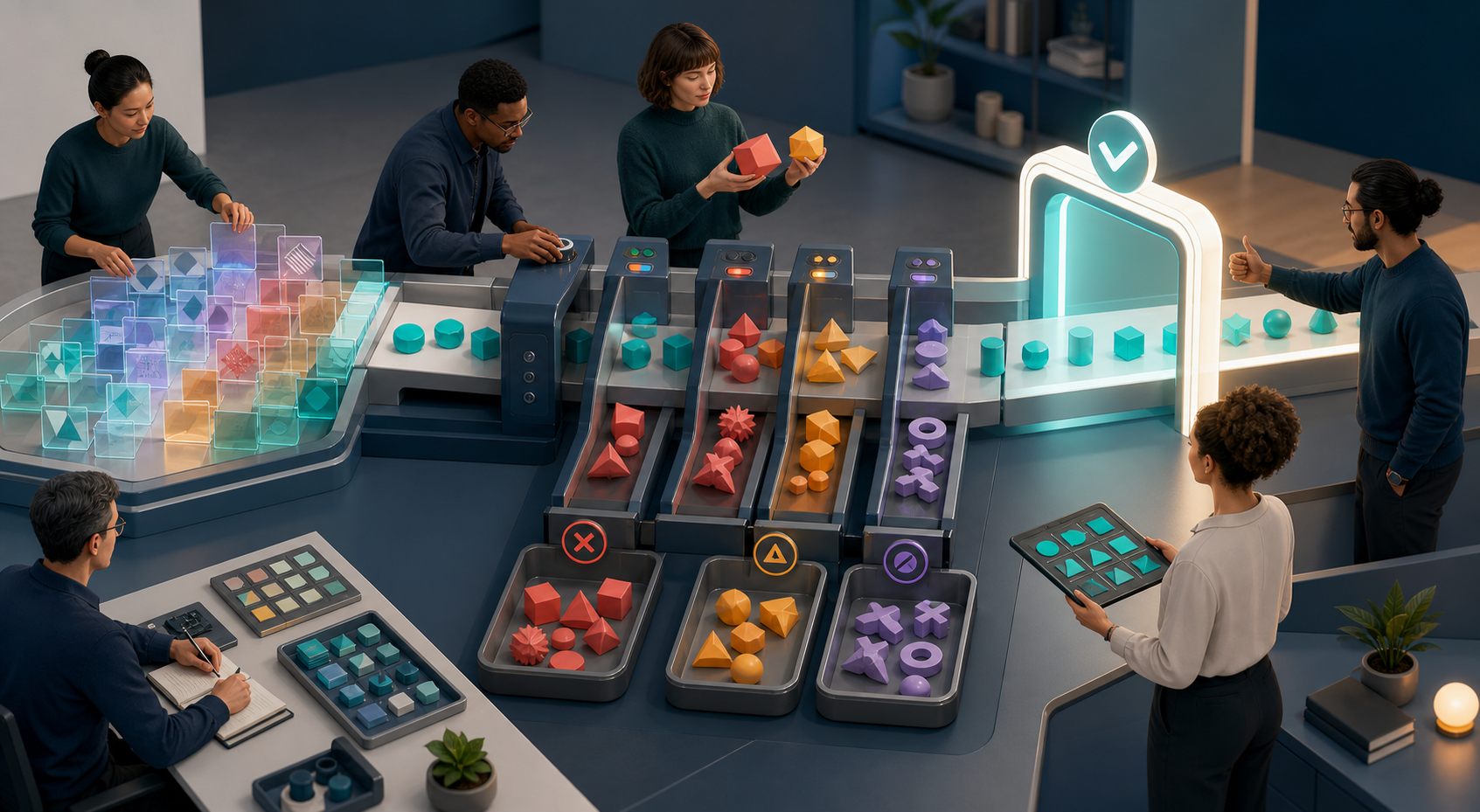
Here’s how I operationalize it with agentic AI and AI workflows. I spin up a small team of specialized parallel agents: a Metrics Librarian (taxonomy and definitions), a Data Modeler (event and table design), a Research Synthesizer (voice of customer and causal hypotheses), a UX Prototyper (visualizing the tree and flows), and a QA/Evaluator (logic and consistency checks). An Orchestrator coordinates these agents, resolves conflicts, and composes outputs into a single, production-ready artifact—while I set constraints, review deltas, and decide.
In a typical two-hour sprint, all agents run at once. While the Metrics Librarian finalizes the KPI ontology, the Data Modeler validates instrumentable events and joins, and the UX Prototyper renders an interactive driver tree for a unified analytics platform. Meanwhile, the Synthesizer maps qualitative insights to quantitative levers, and the Evaluator stress-tests assumptions. Because we’re not waiting for sequential handoffs, we converge on a coherent driver tree and its initial measurement plan in one pass.
The payoff isn’t just speed—it’s higher-quality decisions. Parallel agents reduce context loss, expose trade-offs earlier, and allow me to compare multiple viable paths side-by-side. This accelerates continuous discovery, aligns with product strategy, and gives product managers and LLMs for product managers a clear, living map of how inputs roll up to outcomes. It’s the closest I’ve found to running a product trio at machine speed.
Guardrails matter. I pair this approach with strong data governance, privacy-by-design, and eval-driven development so every agent’s output is testable and auditable. Clear prompts, scoped corpora, and consistent acceptance criteria keep the Orchestrator honest, while lightweight Agent Analytics helps me see where reasoning falters and where to improve the system.
If your team is still tackling analytics artifacts sequentially—requirements, then instrumentation, then visualization—consider switching mental models. Treat the driver tree as the backbone, empower parallel agents to co-create around it, and reserve human judgment for the critical calls. This is vibe coding for product management: creative, fast, and grounded in measurable outcomes.
Inspired by this post on Pendo – Best Practices.