Every week, I lean on ChatGPT to cut through noise, reduce rework, and move faster with more confidence. It’s not a silver bullet, but it has become an unfair advantage in my day-to-day leadership of product strategy, discovery, and delivery. Unlock workflows, prompts, and real PM tips showing how ChatGPT quietly reshapes product management behind the scenes.
Here’s my stance: ChatGPT doesn’t replace product judgment. It amplifies it. Used well, it accelerates product discovery, clarifies roadmaps, sharpens positioning, and strengthens stakeholder management. Used poorly, it creates noise and risk. What follows are the specific workflows and prompts that reliably save me hours while protecting quality and trust.
Discovery and research are where I see the biggest upside. I use ChatGPT to draft interview guides, transform raw notes into theme clusters, and generate “Jobs to Be Done” problem statements—then I validate them with customers. I anonymize inputs to protect privacy and follow privacy-by-design and data governance commitments; AI risk management matters more than ever when we’re handling real user data.
When I move from insight to definition, ChatGPT helps me spin up crisp PRDs and user stories. I provide context about our users, constraints, and success metrics and ask for structured outputs: goals, non-goals, acceptance criteria, and risks. This keeps our product trios aligned and focused on outcomes vs output OKRs, not just shipping features.
For competitive analysis and positioning, I feed in public information and ask for points of parity, points of differentiation, and potential messaging angles. I treat the output as a starting point for my value proposition and battlecards—not the final word. It’s a fast way to surface hypotheses and pressure-test our product-led growth narrative.
Roadmapping and sprint planning also benefit. I use ChatGPT to map dependencies, draft milestone narratives, and transform epics into well-formed backlogs. When we align quarterly plans, I ask for risk scenarios and contingency options so we can make trade-offs explicit before we commit.
On analytics and experiments, ChatGPT is my drafting partner. It helps me define A/B testing plans, clarify the minimum detectable effect (MDE), and outline instrumentation requirements. I still verify numbers in our analytics stack, but the scaffolding is done in minutes, not hours—freeing me to focus on retention analysis and activation levers.
Stakeholder communication is where the time savings compound. I use ChatGPT to produce executive summaries, QBRs vs OKRs comparisons, and board-ready narratives that highlight outcomes, risks, and next steps. It’s a powerful way to stay crisp and consistent across leadership updates without losing the nuance that matters.
Prompt patterns make or break results. I keep four rules: set the role, provide rich context, define constraints, and specify the output format. For example: “You are a senior PM advisor. Context: [user, market, problem]. Constraints: [privacy, timeline, budget]. Output: PRD with goals, acceptance criteria, and risks.” With larger inputs, I use context window management by chunking content and asking for summaries before synthesis.
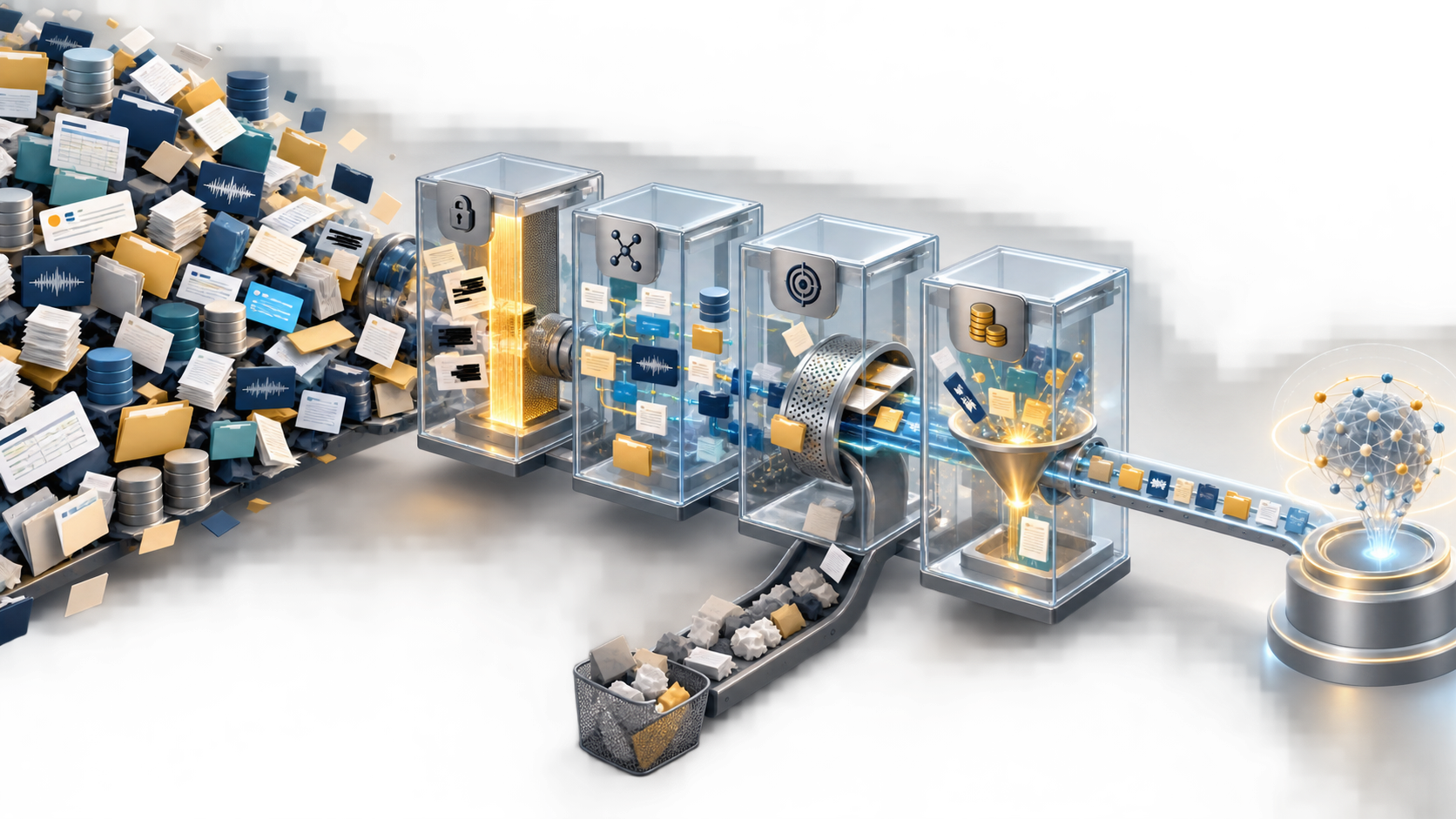
For internal knowledge, I lean on a retrieval-first pipeline. Instead of pasting long docs, I reference curated, approved sources so answers track to current reality. CustomGPT workflows and a simple ChatGPT connector help with governance: they increase speed while reducing the chance of hallucinations and stale information.
Guardrails are non-negotiable. We never paste sensitive data into prompts; we redact PII, spot-check against source-of-truth systems, and red-team important outputs. AI risk management isn’t just a checkbox—it’s how we maintain trust while scaling productivity with gen ai.
Finally, enablement turns personal productivity into team capability. I run short playbooks for empowered product teams: discovery synthesis, PRD drafting, roadmap storytelling, and stakeholder-ready updates. The result is higher-quality thinking, faster cycles, and fewer meetings to align on the essentials.
ChatGPT for product managers isn’t hype; it’s a practical edge when you apply discipline. Start with one workflow that drains your time, add a prompt template, and measure the outcome. In a week, you’ll have proof. In a quarter, you’ll have a new operating system for how your team learns, decides, and ships.
Inspired by this post on Product School.