“Is product management dead?” I hear this question at almost every conference hallway chat. After listening to the latest Product Builders – All Things Product Podcast with Teresa Torres & Petra Wille, I’m more convinced than ever: product management isn’t dead—it’s evolving fast, and the leaders will be those who embrace the shift.
Listen to this episode on: Spotify | Apple Podcasts
The core take resonated deeply with my day-to-day at HighLevel: product management isn’t dying—“the traditional product trio (PM, design, engineering) is collapsing into something new.” The center of gravity is shifting from swim lanes to outcomes, from rigid handoffs to fluid collaboration, and from role definitions to capabilities that actually ship value.
AI is raising the baseline across the board. That “80/20 shift: AI handles patterns, humans handle hard problems” is real on my teams. With LLMs like “GPT 5.2” and “Opus 4.5,” coding agents such as “Claude Code” and “Codex,” and tools like “Replit” and “Lovable,” we’re compressing cycle time on the repeatable 80%. The bottleneck is no longer typing code or drafting copy—it’s selecting the right problems, crafting sharp product strategy, and making confident trade-offs.
This is why the future belongs to “product builders” — people with a shared foundation across disciplines and deep expertise in one area. I look for teams that can shape, prototype, validate, and iterate in tight loops, blending continuous discovery with empowered product teams. The baseline expands, the craft deepens.
Functional expertise still matters—more than ever—because the hard parts are getting harder. We need leaders who can weigh platform scalability against time-to-value, protect privacy-by-design, apply AI risk management, and navigate data governance while sustaining product-market fit. When AI accelerates execution, judgment becomes the differentiator.
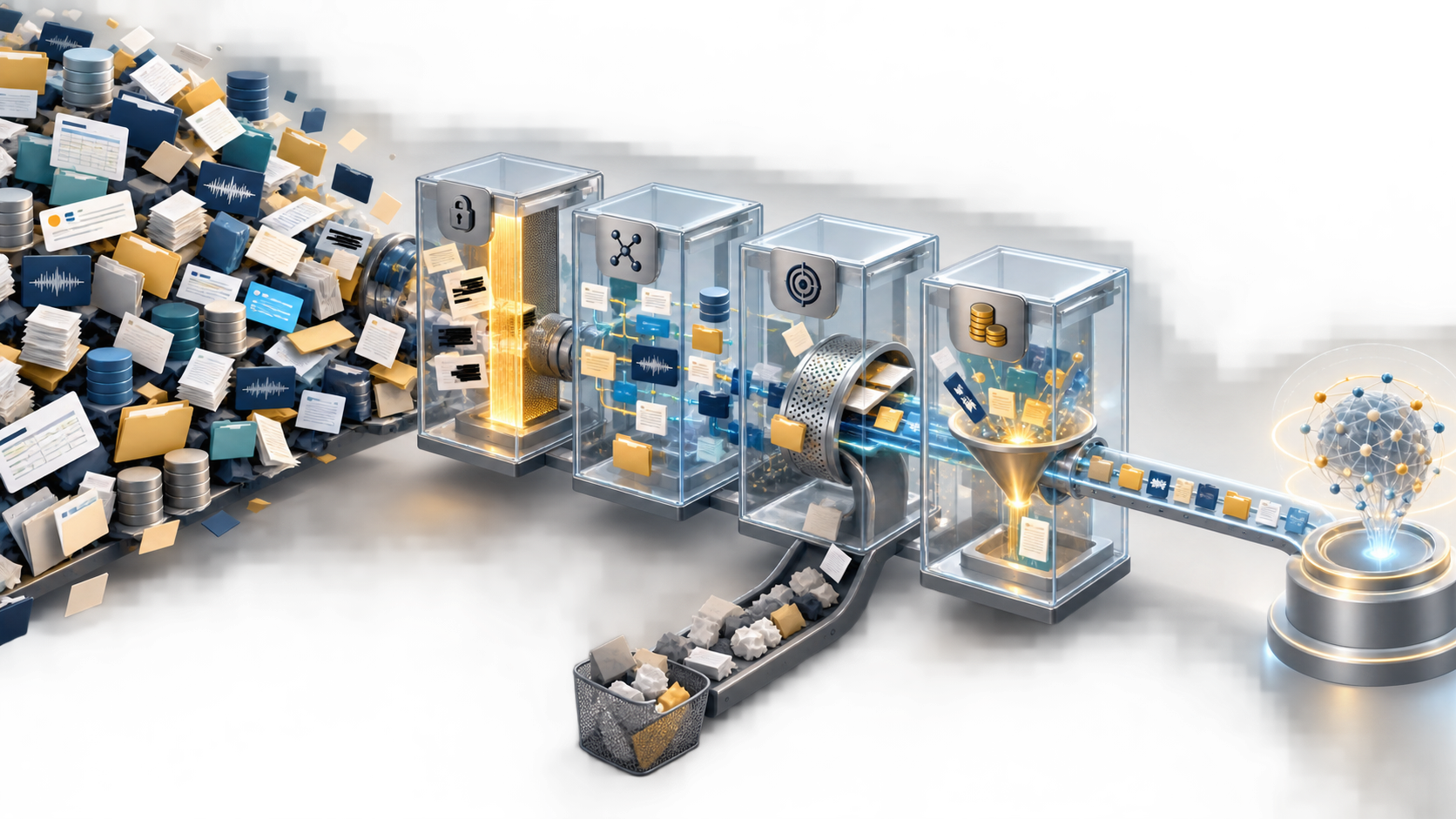
For leaders, this creates a clear mandate: “What product leaders must do to create safe AI infrastructure.” In practice, that means building guardrails early—security reviews tailored to AI workflows, QA harnesses that include eval-driven development, model performance observability, and human-in-the-loop review systems. You can’t bolt this on later without paying a tax in velocity and trust.
Hiring signals are already shifting. “How job descriptions and hiring expectations are already shifting” shows up in my reqs: we emphasize cross-functional range, fluency with AI workflows, prompt engineering literacy, and the ability to frame measurable outcomes. We still want craft depth—design systems, systems thinking in engineering, rigorous discovery—but we prize people who move seamlessly from discovery to delivery.
In the episode, I appreciated the crisp framing of why product management isn’t dying—but changing. The rise of the “product builder” foundation reframes team topology and unlocks smaller, more cross-functional squads. AI changes the baseline skill set across product teams, and ignoring it is a career risk. If you’re not learning AI tools, you’re falling behind.
My key takeaways were straightforward and actionable. Smaller, more cross-functional teams are likely. Deep expertise still matters—especially for complex trade-offs. Leaders need guardrails: security, QA, and review systems built for an AI-driven workflow. And if you work in product, design, or engineering, this episode is your signal to start upskilling now.
“The risk of ignoring AI in your craft” is not hypothetical. I encourage PMs to carve out weekly lab time for hands-on experiments with LLMs for product managers, build lightweight prototypes with Replit or Lovable, and pressure-test opportunity solution trees with data-informed discovery. Pair with your engineers on agentic AI use cases, and integrate model evals into your CI/CD pipelines.
“Mentioned in the episode” were several resources worth exploring: “Product at Heart” (June, Hamburg), “Replit,” “Lovable,” “Every,” “Petra’s Coaching Packages,” and “coding agents (Claude Code, Codex) and LLMs (GPT 5.2, Opus 4.5).” These are great jumping-off points for your own product builder toolkit.
My recommendation: queue up the episode on your commute, then pick one workflow to augment with AI before the week ends. Replace a handoff with a shared canvas. Automate a repetitive analysis. Ship a scrappy prototype. Momentum compounds.
Have thoughts on this episode? Leave a comment below. I’d love to hear how your teams are evolving your product trios, what AI workflows are sticking, and where governance has been most challenging.
Inspired by this post on Product Talk.