Human-in-the-loop oversight is the fastest and most reliable way I know to elevate AI quality, build user trust, and reduce risk. At HighLevel, my teams treat oversight as a product feature—not an afterthought—because dependable AI experiences come from deliberate design choices across data, models, and people.
When I say “human-in-the-loop,” I mean a system that blends automation with targeted human judgment at key moments: during data curation, prompt engineering, evaluation, deployment, and post-launch learning. This approach turns “AI workflows” into measurable, repeatable processes and keeps me honest about what’s working, what’s drifting, and where a human safety net must step in.
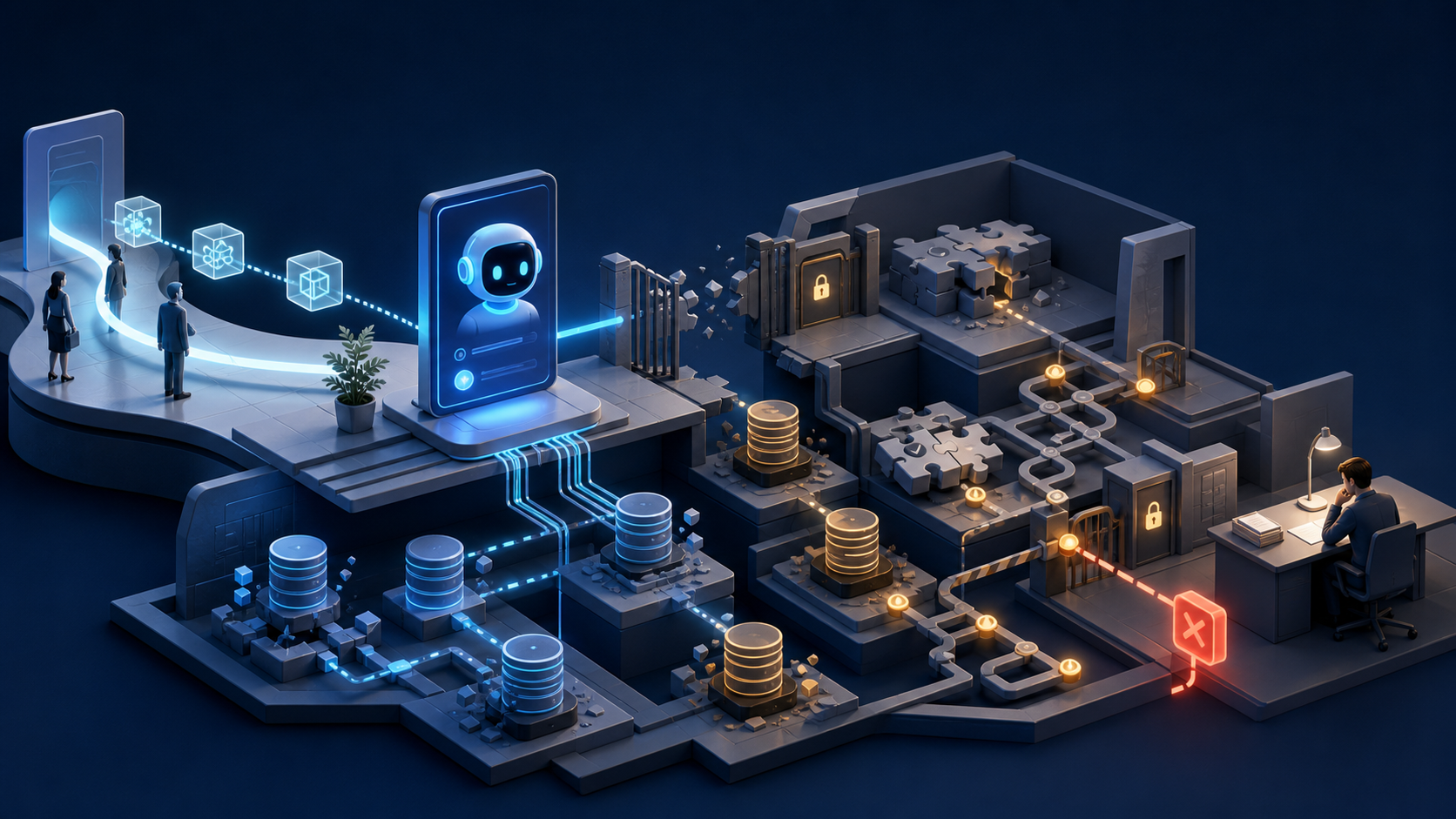
Architecturally, I start with a retrieval-first pipeline to ground outputs in trusted knowledge, then wrap it in guardrails. Deterministic preprocessing, careful prompt engineering, and post-processing validators catch obvious failure modes. Confidence thresholds and policy checks route ambiguous or sensitive cases to a human reviewer, while clear, auditable traces show why the system chose automation versus escalation. This balance supports reliability at scale while preserving agility for “agentic AI” patterns when they add value.
Quality is only real if I can measure it, so I build with eval-driven development from day one. I maintain golden datasets, rubric-based scoring guidelines, and an automated evaluation harness that runs on every change to prompts, models, or data. Pre-production gates protect against regressions, while production telemetry surfaces drift by segment and use case. When it’s time to run experiments, I use A/B tests sized with a minimum detectable effect (MDE) to avoid overfitting to noise.
Operationally, I optimize for outcomes, not output. I track task success rate, time-to-resolution, safety violation rate, hallucination rate, and cost-to-serve, then connect these to outcomes vs output OKRs. The signal I want is simple: are we reliably solving the user’s job-to-be-done with lower effort and higher confidence? If not, I tighten prompts, refine retrieval, or expand human review where it pays off most.
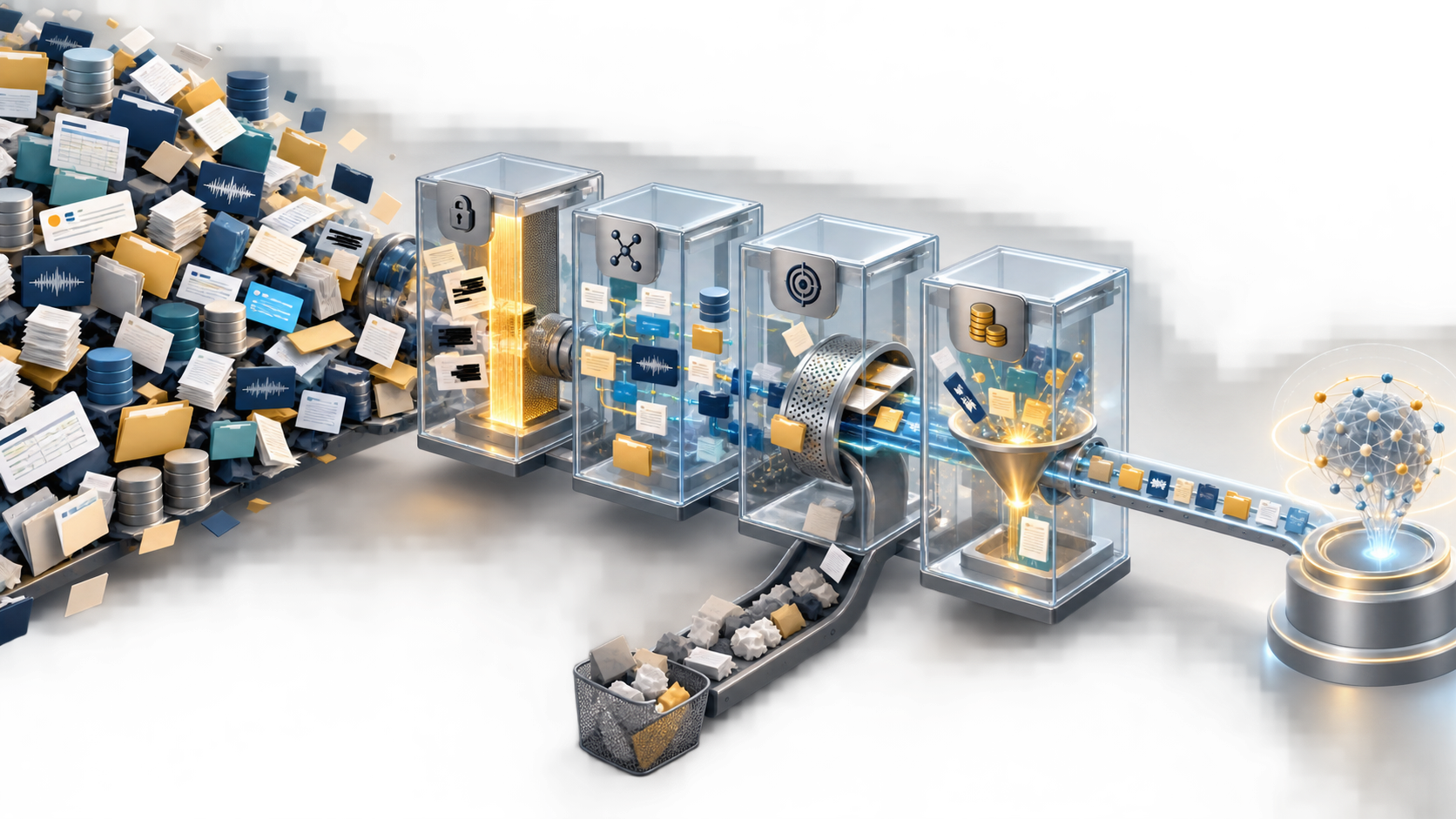
Risk governance is non-negotiable. I design with privacy-by-design and data governance from the start—role-based access, audit trails, PII redaction, and red-team tests for safety. Clear reviewer playbooks and calibration sessions reduce bias and ensure consistent decisions. These practices aren’t bureaucracy; they’re how I operationalize AI risk management while maintaining velocity.
Teams make or break this model. I empower product trios to own the full lifecycle—discovery, build, and learning—so feedback loops close quickly. In-product feedback widgets, reviewer queues, and incident management playbooks help us respond in hours, not weeks. Over time, human review becomes a targeted scalpel rather than a blanket requirement as the system learns and improves.
Economics guide the level of oversight. I treat each workflow like a portfolio: where the value of accuracy is high and ambiguity is common, I route more to humans; where tasks are simple, frequent, and well-bounded, I automate aggressively. The goal isn’t zero humans—it’s optimal humans, deployed precisely where their judgment compounds ROI.
If you’re getting started, begin with one high-impact workflow, establish your golden set and evaluation rubric, and wire in a simple review queue. Prove the lift, then scale. In the short video above, I walk through the patterns I use to design these loops, measure quality with rigor, and ship AI that teams—and customers—can trust.
Inspired by this post on Product School.