This is the year to build your personal operating system. For me, that line isn’t a slogan; it’s a commitment to eliminate context switching, compress decision cycles, and turn fragmented information into a reliable source of truth. As a product leader, I needed a system that blends judgment, data, and automation—so I built mine around Claude Code.
When I say “personal operating system,” I mean an integrated set of AI workflows, rituals, and tools that capture knowledge, structure decisions, and automate execution. It’s where product discovery meets delivery: a place to synthesize signals, prioritize with clarity, and move from insight to action without friction. The outcome is fewer ad hoc decisions, more deliberate strategy, and a calmer, more focused day.
Claude Code sits at the center because it helps me translate intent into working software and repeatable processes. I use it to scaffold small utilities, write adapters for APIs, and evolve prompts into robust patterns. It accelerates everything from research synthesis and PRD drafting to backlog grooming and stakeholder updates—while keeping me in the loop for final judgment.
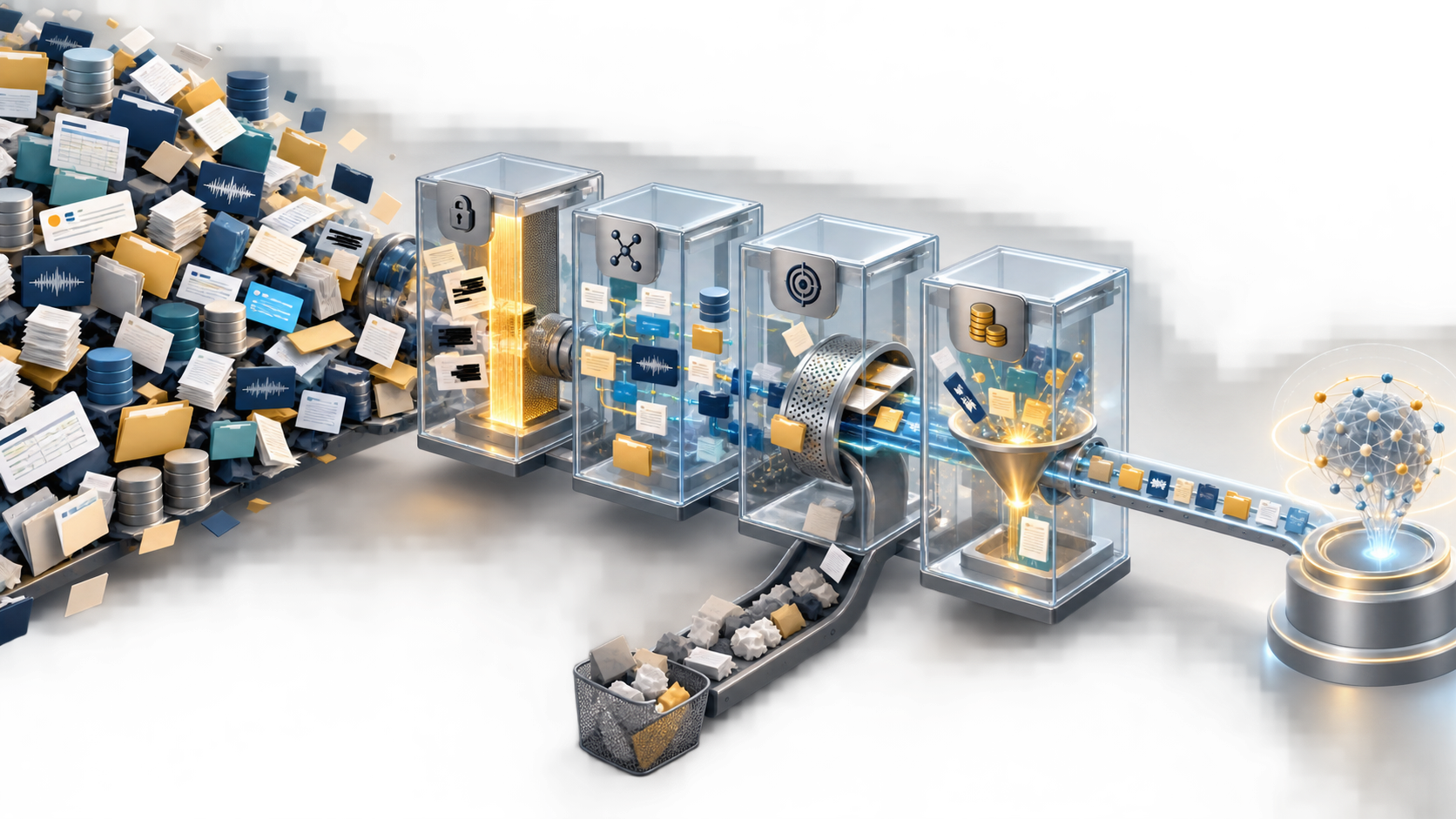
Under the hood, I run a retrieval-first pipeline that connects notes, docs, tickets, research transcripts, and roadmaps into a searchable, living memory. With careful context window management, I feed only the most relevant snippets into Claude Code, preserving accuracy and speed. The result: richer answers, fewer hallucinations, and an assistant that “remembers” what matters without drowning in noise.
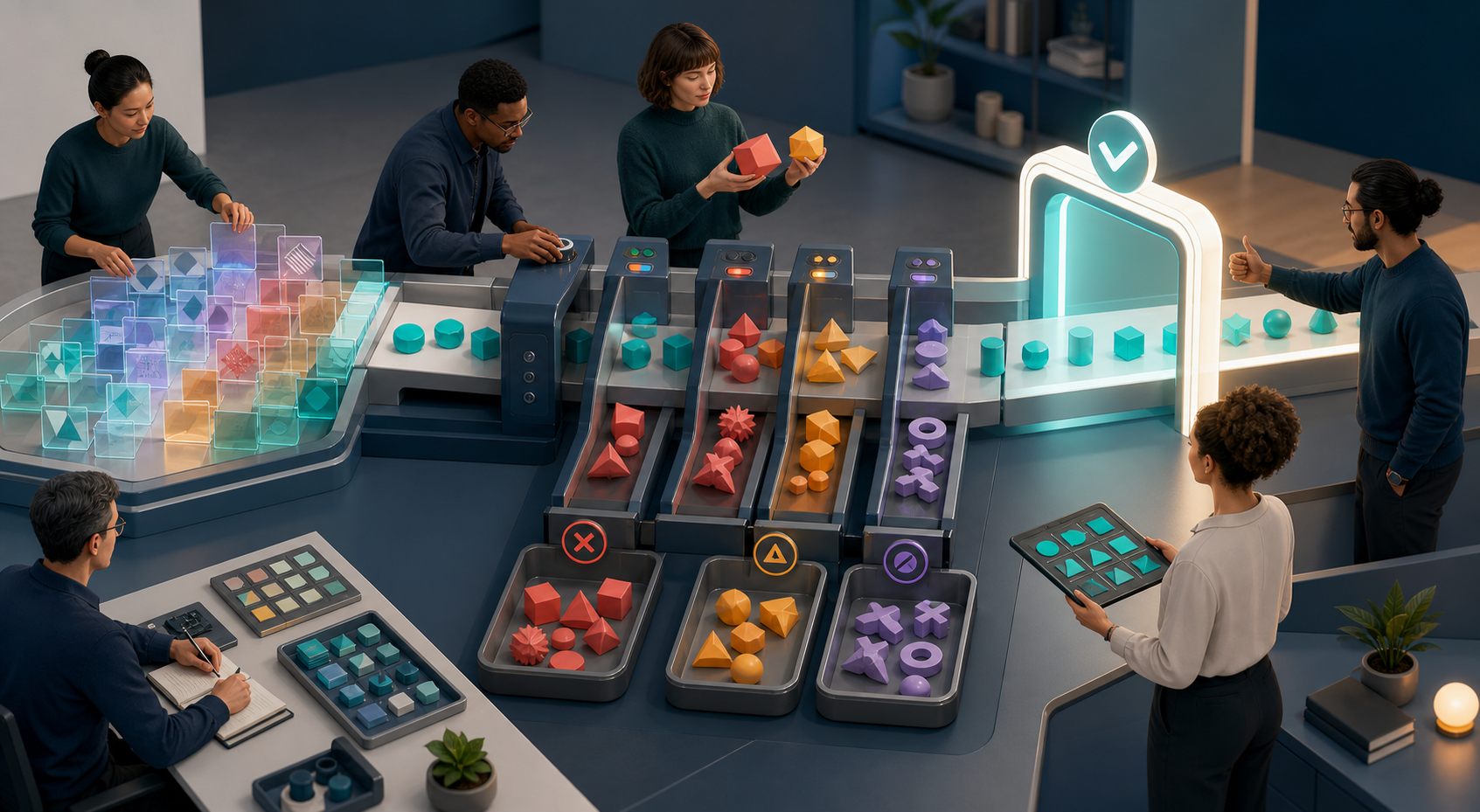
My daily loop is simple: capture, synthesize, decide, and act. I capture customer signals and meeting notes into a personal knowledge management vault; synthesize patterns with prompt engineering that emphasizes evidence; decide using outcomes vs output OKRs; and act by generating drafts, creating tasks, and updating artifacts. Claude Code helps me wire this end-to-end, so the system works even on my busiest days.
If you’re implementing this from scratch, start small. Pick one high-friction workflow—say, product feedback triage—and build a narrow agentic AI flow to classify, summarize, and route items. Use eval-driven development to test prompts against known edge cases. Add guardrails and privacy-by-design practices from day one, then expand to neighboring workflows once the first loop is reliable.
Governance matters. I treat AI risk management, data governance, and security as first-class citizens: limited data scopes, clear audit trails, human-in-the-loop approvals, and rollback plans. Feature flags control changes; observability tracks drift and quality; and a simple playbook documents how we deploy, monitor, and improve the system.
Measure what this personal operating system earns you. Track decision latency, cycle time from signal to action, meeting-to-output ratios, and the signal-to-noise ratio of inputs. When the system is working, you’ll feel it: fewer meetings, more momentum, and sharper product strategy supported by trustworthy AI workflows.
The goal isn’t to automate judgment—it’s to protect it. By letting Claude Code handle the glue work and information wrangling, I preserve energy for high-leverage thinking: positioning, sequencing, and trade-offs. Build your personal operating system now, and make this the year your product practice runs with clarity and composure.
Inspired by this post on Pendo – Best Practices.