Tag: onboarding

  • Context Is King: My Playbook to Prep Product Teams for High-Impact AI Collaboration

    Context Is King: My Playbook to Prep Product Teams for High-Impact AI Collaboration

    Context is king in AI-powered product work—and I felt that deeply while digging into “Context is King – All Things Product Podcast with Teresa Torres & Petra Wille.” The conversation affirmed a truth I see daily: AI becomes a powerful teammate only when we give it the right context, just as we do with empowered product teams. When we treat AI like a colleague joining mid-flight—without our company history, industry nuances, or strategy—we instantly unlock better outcomes.

    Listen to this episode on: Spotify | Apple Podcasts

    Here’s what stood out and how I’m applying it. First, most AI outputs fail without proper context. That’s not a model problem; it’s a leadership problem. Thinking of AI like onboarding a new intern is the right mental model—start with the minimum viable context, then iterate. Practical first steps matter: decision logs, clear success metrics, and structured documentation. The art is balancing enough context to guide performance without overloading the system. The parallels are striking: the way we create strategic context for product trios and teams is the same way we’ll empower agentic AI systems.

    In my teams, we prepare for AI collaboration by operationalizing context. We keep decision logs to capture the why behind choices, use outcome-based success metrics (not just output), and maintain machine-readable documentation that LLMs for product managers can parse reliably. We define guardrails up front—constraints, customer segments, privacy-by-design considerations, and the non-goals that often trip up gen ai. This foundation turns AI from a novelty into a force multiplier for product discovery and product roadmapping and sprint planning.

    I use a simple “context pack” to onboard AI agents and teammates alike: 1) business goals and outcomes, 2) constraints and guardrails, 3) canonical artifacts (like PRDs, journey maps, interview notes), 4) domain vocabulary and definitions, and 5) operating procedures (how we make decisions, when to escalate, what good looks like). Start small, then refine as the AI demonstrates capability. This mirrors great onboarding—and it works just as well for agentic AI as it does for humans.

    Not all context is helpful. More isn’t better; the minimum effective context is. I resist the urge to dump our entire Confluence on an AI system. Instead, I progressively reveal relevant details—just like I would with a new PM on a complex problem space. This keeps signals high, noise low, and performance measurable against clear success metrics.

    If your org isn’t adopting AI yet, don’t wait. You can become AI-ready now by documenting strategic intent, decision rationale, and definitions in structured, searchable, machine-readable ways. Treat this as core AI Strategy work that strengthens empowered product teams—regardless of tooling—while building your AI product toolbox for tomorrow.

    For those who want to explore further, these resources and mentions are a strong complement to the episode’s themes.

    Follow Teresa Torres: https://ProductTalk.org

    Follow Petra Wille: https://Petra-Wille.com

    Agentic AI

    Teresa’s new podcast, Just Now Possible in Youtube, Apple Podcast, and Spotify

    Petra’s Coaching Packages

    ChatGPT

    Henrik Kniberg’s talk at Product at Heart on treating AI agents like interns

    Teresa’s webinars on how she built the Product Talk Interview Coach: Behind the Scenes: Building the Product Talk Interview Coach and How I Designed & Implemented Evals for Product Talk’s Interview Coach

    Josh Seiden’s blog series about AI

    Teresa’s new blog posts: 15 Ways to Use AI at Home (and Fill Your AI Product Toolbox) and 21 Ways to Use AI at Work (And Build Your AI Product Toolbox)

    Petra's new blog post: Why Context, Not Just Data, Will Define AI-Ready Product Teams

    Have thoughts on this episode or how you’re preparing your teams to collaborate with AI? Leave a comment below—let’s compare playbooks and level up together.


    Inspired by this post on Product Talk.


    Book a consult png image
  • Pendo’s Summer Release: How I Reimagine Onboarding, Support, and Expansion in the SaaS + AI Era

    Pendo’s Summer Release: How I Reimagine Onboarding, Support, and Expansion in the SaaS + AI Era

    I’ve been reflecting on How Pendo’s Summer Release reimagines onboarding, support, and expansion in the SaaS + AI era, and it resonates deeply with the product-led playbooks my team and I use every day. The core promise is simple and powerful: “These three best practices aren’t new, but how you achieve them is.” That framing captures the shift I see across high-performing product organizations—same outcomes, radically upgraded execution through AI, in-app experiences, and unified analytics.

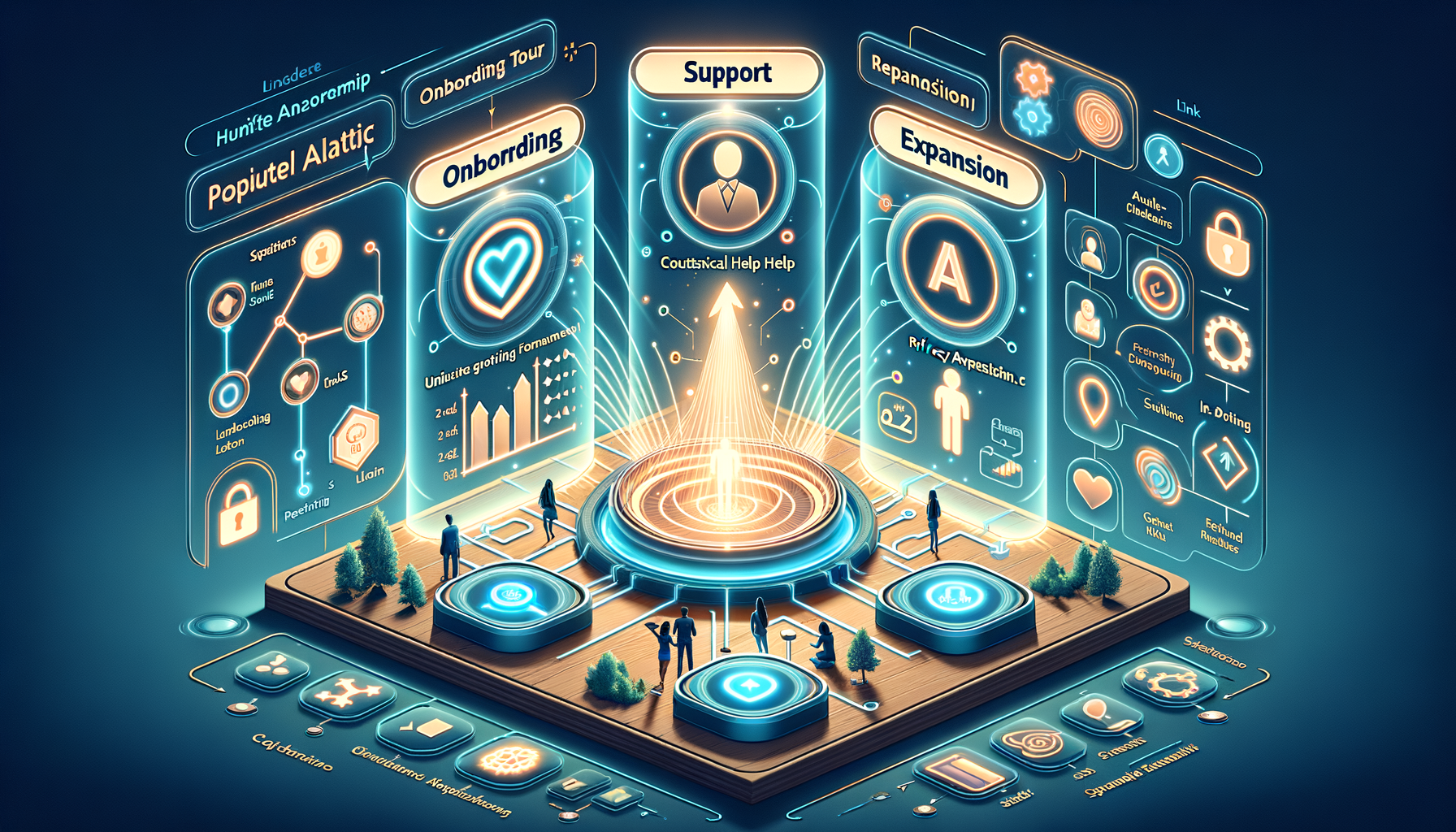
    For onboarding, I prioritize accelerating user activation with clear product tours, in-app guides, and great UX writing that removes cognitive load. The difference now is how precisely we personalize these moments: segmentation driven by product usage, CRM integration, and experiments (A/B testing with a disciplined minimum detectable effect) help us craft paths that meet users where they are. When onboarding is instrumented this way, it becomes a scalable engine for product-led growth rather than a one-time setup task.

    Support is undergoing an equally meaningful transformation. Contextual, in-app help combined with agentic AI can diagnose issues, surface relevant knowledge, and guide users without forcing channel switches. I’m bullish on this, but only when it’s anchored in privacy-by-design, AI risk management, and strong data governance—trust is the prerequisite for any customer support AI strategy. When done right, support shifts from reactive ticket resolution to proactive value delivery.

    Expansion, to me, is the earned outcome of consistent product value. In the SaaS + AI era, we can use unified analytics to identify readiness signals—feature adoption, outcomes achieved, and time-to-value—and trigger timely, ethical nudges in-app. The best motions align offers with real customer milestones, whether that’s consumption SaaS pricing upgrades, role-based add-ons, or advanced capabilities unlocked through demonstrated need. This is product-led growth at its most customer-centric.

    Underpinning all three motions is measurement discipline. I push for a unified analytics platform that ties together behavioral data, retention analysis, funnels, and cohorts with downstream CRM integration. That allows product trios to make fast, informed decisions and connect activation, support efficiency, and expansion to business outcomes. Whether your stack includes Pendo, Amplitude analytics, or custom pipelines, the principle is the same—one source of truth that informs action.

    Execution matters as much as strategy. Empowered product teams working in tight product trios can ship small, valuable increments, run clean experiments, and learn faster than the market shifts. Strong stakeholder management and clear product roadmapping keep leadership aligned on outcomes vs output OKRs, so we’re funding what works and pruning what doesn’t. In my experience, this operational rigor is what turns promising ideas into durable competitive differentiation.

    If you’re looking to operationalize these ideas, start by defining activation and expansion milestones that map to your value proposition. Instrument your in-app guides and product tours to support those milestones, and commit to an experimentation cadence with well-defined MDE. Layer in agentic AI carefully—pilot in the support surface where context is rich and stakes are clear—and enforce privacy and governance from day one. Finally, close the loop with unified analytics so every improvement compounds.

    Pendo’s Summer Release highlights a broader reality: our industry isn’t inventing new destinations, we’re modernizing the routes. Onboarding, support, and expansion remain the pillars—but AI, in-app experiences, and integrated data make them smarter, faster, and more human. That’s the shift I’m leaning into—and the one customers feel immediately.


    Inspired by this post on Pendo – Best Practices.


    Book a consult png image
  • Design Four High-Impact Lifecycle Journeys with Pendo Orchestrate to Drive Retention

    Design Four High-Impact Lifecycle Journeys with Pendo Orchestrate to Drive Retention

    I’ve spent my career building product-led growth motions that deliver value fast and build durable retention. The most consistent pattern I’ve seen is simple: When we orchestrate timely, contextual guidance inside the product, customers discover value sooner, adopt core workflows more completely, and return more often. That’s exactly where Pendo Orchestrate shines for my team.

    From first click to lifelong retention, you’ll deliver the right message at the exact right time, every step of the way. With Pendo Orchestrate, you can design those kinds of moments with intention. And in this blog, we’ll show you how.

    At a high level, I map the customer lifecycle into four journeys—onboarding, activation, retention, and expansion—and align each to clear outcomes. Using targeted in-app guides and product tours, behavioral triggers, and segment-specific messaging, I can optimize each stage without overwhelming users. What follows is how I approach each journey to maximize time-to-value and retention.

    Onboarding: I design progressive onboarding that adapts to a user’s role and first-run actions. Instead of a single, long product tour, I use short, contextual nudges that appear exactly when a user reaches a relevant screen or performs a key event. This reduces cognitive load, shortens time-to-value, and sets up a reliable path to initial success. When needed, I A/B test different sequences and measure impact on activation rate to ensure we’re improving the real user experience, not just adding more guidance.

    Activation and habit-building: After first value, I focus on reinforcing the behaviors that correlate with long-term retention. Here, lightweight tooltips, celebratory moments when users reach the “aha” action, and just-in-time prompts for adjacent features help form habits. I track cohort-level activation metrics and use retention analysis to see whether these nudges translate into sustained product usage. If a segment stalls, I adjust copy, timing, or the sequence to better match user intent.

    Retention and re-engagement: Not every customer stays on a steady path. For at-risk cohorts—users who haven’t completed a critical workflow or whose usage is declining—I trigger helpful, empathetic in-app guides that remove friction and offer a direct path back to value. I also solicit lightweight feedback to understand obstacles. The goal isn’t to interrupt; it’s to make it effortless to recover momentum.

    Expansion and upsell: When users demonstrate readiness—mastery of core features, frequent usage, or role-based signals—I introduce advanced capabilities with targeted product tours and clear value propositions. Timing is everything; I prefer unobtrusive prompts that appear at the exact moment their workflow benefits from an upgrade. By matching message to milestone, expansion feels like a service, not a sell.

    Operationalizing these journeys starts with crisp definitions of success (activation, adoption depth, and retention), thoughtful segmentation, and a cadence of experimentation. I keep the loop tight: instrument key events, launch small, measure outcomes, and iterate. Over time, the orchestration becomes a durable system—consistently delivering the right guidance to the right user at the right moment, and continuously compounding product impact.

    If you’re looking to scale product-led growth, these four journeys provide a pragmatic blueprint. Start with the stage that’s hurting most (often onboarding), prove the lift, then expand. As outcomes improve, your users feel supported, your product experience feels intuitive, and your business earns the retention and expansion it deserves.


    Inspired by this post on Pendo – Best Practices.


    Book a consult png image
  • 4 Proven Ways GTM Teams Drive Explosive Growth with Pendo’s HubSpot Integration

    4 Proven Ways GTM Teams Drive Explosive Growth with Pendo’s HubSpot Integration

    In my role leading product management, I’ve learned that the most reliable path to product-led growth is aligning product signals with the systems our go-to-market teams use every day. That’s exactly where Pendo’s HubSpot integration shines—by merging behavioral insights with CRM context so sales, marketing, customer success, and product move in lockstep.

    See how customer behavioral data can help sales, marketing, customer success, and product teams create a better, more engaging customer experience.

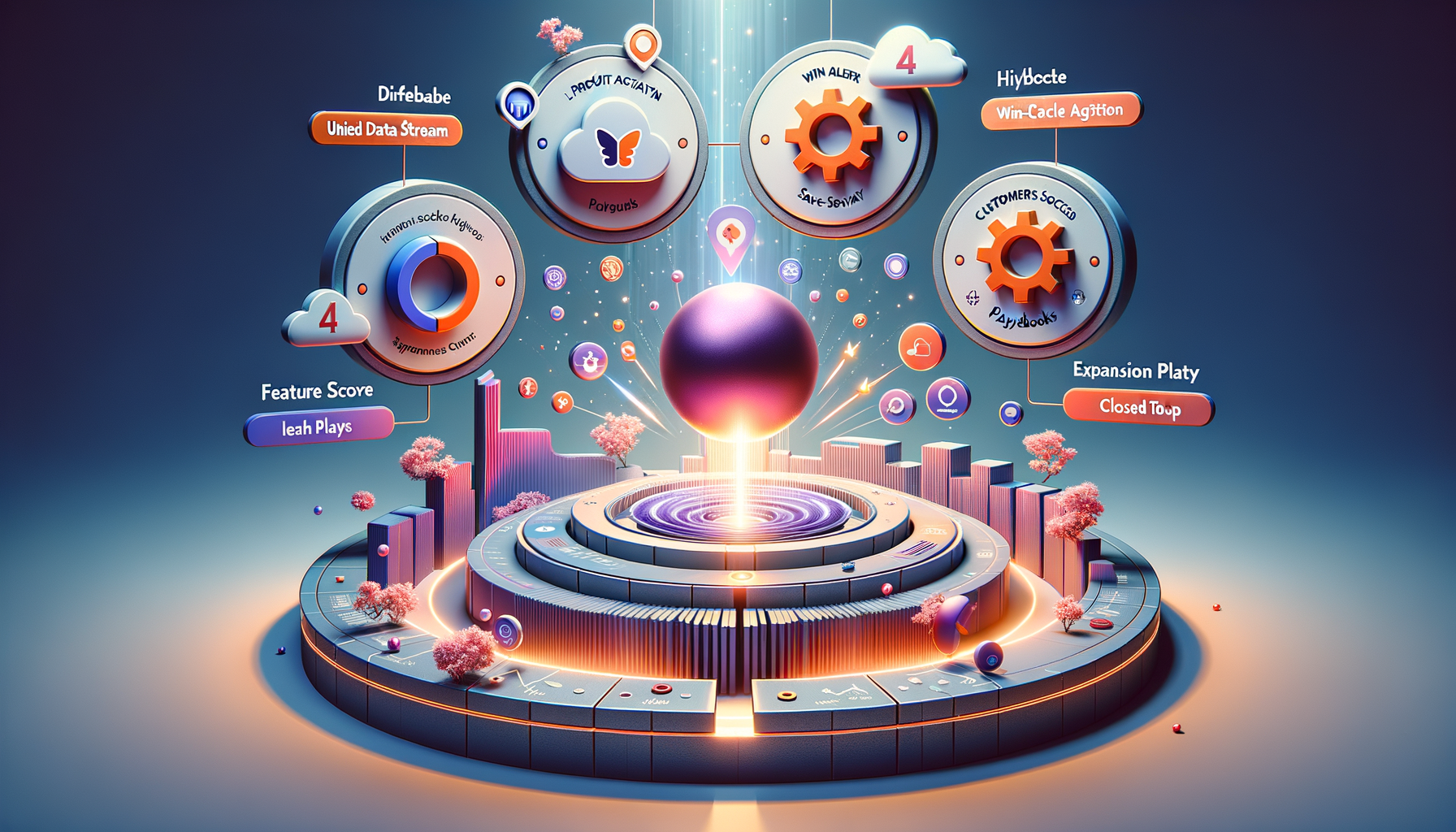
    First, I use the integration to create a single source of truth that blends in-app behavior with account and contact data. When product usage, feature adoption, and intent signals flow into HubSpot, lead scoring becomes smarter, pipeline quality improves, and our go-to-market strategy gets more precise. Reps prioritize the right accounts, marketing tunes messaging to demonstrated needs, and we operate as a unified analytics platform instead of scattered tools.

    Second, I activate lifecycle journeys directly from HubSpot using in-app guides and product tours. By targeting experiences based on CRM stage or persona, onboarding accelerates, trial conversion increases, and time-to-value drops. The ability to personalize onboarding without engineering work gives marketing and customer success a powerful lever to deliver exactly the right guidance at the right moment.

    Third, I orchestrate customer success playbooks that reduce churn and expand revenue. Health scoring improves when retention analysis is informed by real product usage, not just survey sentiment. When usage dips below a threshold, HubSpot workflows trigger save-plays; when product engagement surges, we operationalize expansion motions across self-serve upgrades and account-based upsell. The result is a tighter feedback loop between product adoption and revenue outcomes.

    Fourth, I close the loop between sales, product, and marketing to refine product positioning and roadmap priorities. Signals from Pendo in HubSpot highlight which features correlate with win rates and renewals, so we double down on the value proposition that actually converts. Those same insights inform targeted campaigns, sharper messaging, and a continuous learning cycle across GTM and product teams.

    To make this work in practice, I start with clear event taxonomies, privacy-by-design data governance, and tightly scoped use cases that we can measure within a quarter. We iterate with small A/B tests, compare outcomes to baselines, and socialize wins across sales, marketing, and customer success to build momentum. The integration becomes more than a data pipe—it’s an operating system for coordinated growth.

    When product signals meet CRM workflows, teams stop guessing and start executing with confidence. That’s the power of Pendo’s HubSpot integration: it operationalizes product-led growth across the entire customer journey, from first touch to expansion.


    Inspired by this post on Pendo – Best Practices.


    Book a consult png image
  • Pendo Admin Power Checklist: 4 Proven Practices to Drive Adoption, Clarity, and Trust

    Pendo Admin Power Checklist: 4 Proven Practices to Drive Adoption, Clarity, and Trust

    Overseeing complex platforms like Pendo is where product leadership comes to life. I rely on four disciplined practices to keep our instrumentation clean, our in-app experiences on-brand, and our analytics credible enough to guide high-stakes decisions. If you’re setting up or tuning your instance, this checklist will help you build trust with stakeholders and accelerate product-led growth.

    Learn best practices that every Pendo admin should know.

    1) Standardize tagging and taxonomy. I start by defining a clear naming convention for feature tags, page tags, and track events (for example, feat:[area]:[action]). This taxonomy lives in a shared document, aligns to our product roadmapping and sprint planning, and includes ownership, definitions, and “do/don’t” examples. In practice, this reduces duplicates, improves segment reliability, and makes funnels, paths, and retention analysis far more actionable. I also schedule quarterly hygiene to retire stale tags and revalidate critical measures tied to OKRs.

    2) Segment deliberately and manage access with intention. Meaningful segments—role, lifecycle stage, plan tier, and account health—unlock precise targeting for in-app guides and stronger insights. On the admin side, I enforce least-privilege access with SSO/SCIM, audit changes to tags and guides, and keep visitor and account ID strategies consistent across environments. This combination strengthens data governance and privacy-by-design while reducing operational risk.

    3) Operationalize a guide lifecycle. In-app guides are powerful, but only when they’re coherent and governed. I maintain a style system and reusable templates for tooltips, walkthroughs, onboarding checklists, and the Resource Center so the UX feels intentional, not noisy. Every guide goes through QA in staging, frequency capping, sunset dates, and an owner accountable for outcomes. I measure impact with clear success metrics—adoption lift, funnel completion, or onboarding time—to ensure guides serve the product strategy, not just add UI clutter.

    4) Build an analytics cadence that leaders can trust. I treat Pendo as a decision system, not just a dashboard. That means SDK updates are part of our release checklist, known key events are smoke-tested after deployments, and weekly insight reviews turn funnels, paths, and retention analysis into clear actions. Where appropriate, I pair experiments with A/B testing guardrails and tie findings back to outcomes vs output OKRs. Finally, I publish a simple “what we learned” summary to keep stakeholders aligned and focused on the next best move.

    Your 5‑minute checklist: confirm a shared tagging taxonomy; align segments to roles, lifecycle, and plans; apply least-privilege access and SSO/SCIM; standardize guide templates and QA; set metrics for every guide; and establish a recurring analytics review tied to OKRs. With these four practices in place, your Pendo instance becomes a flywheel for onboarding, product adoption, and continuous discovery—without sacrificing governance or customer trust.

    If you’re scaling quickly, start small: pick one product area, instrument it cleanly, launch a targeted in-app guide, and run a focused funnel review the following week. Momentum builds when teams see crisp insights and customers feel helpful guidance at just the right moment.


    Inspired by this post on Pendo – Best Practices.


    Book a consult png image
  • The 5 Stages of Software Experience Maturity: What to Fix First to Unlock Growth

    The 5 Stages of Software Experience Maturity: What to Fix First to Unlock Growth

    I’ve led product teams through chaotic launches, painful plateaus, and breakout growth, and one truth keeps showing up: software wins when the experience is intentionally designed, measured, and continuously improved. To make that work repeatable, I rely on a simple maturity framework that aligns our product strategy, analytics, and in-app experience work across the organization. Find out where you stand—and what to fix first—with this maturity framework. Why “software experience” and not just “features”? Because activation, adoption, and retention depend on how clearly users understand value in their first sessions, how seamlessly they complete key workflows, and how consistently they succeed over time. That’s where empowered product teams, product-led growth, and outcomes vs output OKRs come together to create durable results. Stage 1 — Ad Hoc: At this level, teams ship features without a clear sense of who benefits, how success is measured, or how UX writing and onboarding shape outcomes. If this is you, fix this first: define your activation events, instrument the core funnel, and write concise, in-product copy that reduces friction. Even a lightweight retention analysis will reveal where value drops off. Stage 2 — Instrumented Awareness: You’ve added basic analytics and can see signups, activations, and drop-offs, often via tools like Amplitude analytics or a unified analytics platform. What to fix first: translate raw metrics into hypotheses and prioritize a small set of A/B testing experiments. Use a minimum detectable effect (MDE) to size tests, and start tracking leading indicators tied to adoption—not vanity metrics. Stage 3 — Guided Journeys: Onboarding, in-app guides, product tours, and contextual tooltips now clarify value and reduce time-to-first-value. What to fix first: build a guided path to activation for your top two personas, then test microcopy and sequencing. Pair qualitative insights from user feedback with cohort-based retention analysis to ensure your guides create durable behavior change, not just clicks. Stage 4 — Outcome-Driven Execution: Teams set outcomes vs output OKRs, run disciplined experiments, and connect learnings to roadmap decisions. What to fix first: standardize an experimentation playbook with clear guardrails for MDE, sample sizing, and stop rules. Align quarterly bets with a value proposition narrative that ties product discovery to measurable, customer-centric outcomes. Stage 5 — Predictive and Proactive: You anticipate user needs with tailored experiences, automate nudges at the right moments, and systematize continuous discovery. What to fix first: unify data across product, support, and lifecycle channels to personalize experiences without eroding privacy-by-design. Invest in scalable governance so insights flow to product trios and forward deployed engineers quickly and safely. How to use this framework: honestly score your current stage across analytics, onboarding, guidance, experimentation, and decision-making. Then pick the single change that removes the biggest bottleneck to the next stage—often a measurement gap, not a feature gap. Make improvements visible through product roadmapping and sprint planning, and celebrate progress to reinforce empowered product teams. In practice, maturity is not a badge; it’s a habit. When we pair rigorous analytics with thoughtful in-app experiences and clear strategic outcomes, we compound learning and unlock growth. If you’re unsure where to begin, start small: instrument activation, improve one critical guide, and run one high-quality experiment. Momentum follows.

    Inspired by this post on Pendo – Best Practices.


    Book a consult png image
  • How I Scale Revenue with Pendo Predict: Cut Costs, Reduce Risk, and Drive Product Adoption

    How I Scale Revenue with Pendo Predict: Cut Costs, Reduce Risk, and Drive Product Adoption

    When my team and I set out to accelerate growth without ballooning costs, we leaned into Pendo Predict as a keystone of our product-led growth strategy. Predict gives us a practical, data-driven way to focus on the right users at the right moments, align teams around measurable outcomes, and turn product usage signals into revenue impact.

    “Increase revenue, cut costs, and reduce risk with Pendo’s Software Experience Management platform. Optimize the entire software experience to drive adoption and improve engagement.” That statement maps exactly to how we operate: we use the platform to understand user behavior, guide users through high-value actions, and instrument the experience so we can learn, iterate, and scale with confidence.

    To scale revenue, we identify high-intent segments based on product behaviors and run targeted in-app guides and product tours that shorten time-to-value and boost conversion. Predict helps us surface which features correlate with expansion and retention, so our onboarding flows nudge users into those paths. This approach compounds: better activation drives stronger engagement, which fuels a healthier pipeline for cross-sell and upsell.

    On the cost side, we reduce support load with contextual guidance—tooltips, checklists, and just-in-time education—so customers self-serve through common friction points. We consolidate insights in a unified analytics platform, enabling product, success, and go-to-market teams to work from the same source of truth. The result is fewer reactive escalations, tighter prioritization, and more engineering time invested in features that move retention and revenue.

    Risk reduction comes from visibility and control. With predictive signals and retention analysis, we spot churn risk early, intervene with timely in-app messaging, and de-risk launches by rolling out features to targeted cohorts while monitoring adoption and engagement. We pair this with disciplined experimentation and A/B testing to validate changes before scaling broadly.

    If you’re considering a similar motion, a simple playbook works: define your adoption and engagement metrics, instrument key workflows, create predictive segments, ship focused in-app guides, and measure impact against outcomes—not just outputs. Over time, this turns your product into a durable growth engine that consistently improves user experience and business performance.


    Inspired by this post on Pendo – Best Practices.


    Book a consult png image
  • Our Pendo-Powered Playbook: Orchestrating a High-Impact Summer Release with Product-Led Growth

    Our Pendo-Powered Playbook: Orchestrating a High-Impact Summer Release with Product-Led Growth

    We set out to promote the Pendo Summer Release using the most authentic approach possible: we used Pendo to market Pendo. That decision anchored our strategy in product-led growth, letting us reach users in context, guide them through new capabilities, and measure impact in real time without adding friction or cost.

    Increase revenue, cut costs, and reduce risk with Pendo’s Software Experience Management platform. Optimize the entire software experience to drive adoption and improve engagement.

    Our objectives were clear: drive adoption of new features, accelerate onboarding for existing customers, and improve engagement across key workflows. We framed the work with outcomes vs output OKRs, clarified the value proposition for each persona, and aligned our product positioning to highlight points of parity and genuine differentiation.

    Execution centered on in-app guides, product tours, and purposeful tooltip design. We segmented by role, lifecycle stage, and behavior to keep messages timely and relevant, then layered in A/B testing with a defined minimum detectable effect (MDE) so we could learn fast without overexposing users. Product trios partnered closely with design and forward-deployed engineers to iterate quickly on copy, UX writing, and guide placement.

    On the measurement side, we instrumented clear goals and tracked conversions through the funnel, pairing event analytics with retention analysis to understand depth of usage, not just clicks. We captured qualitative signal through micro-surveys and in-context feedback, feeding insights back into product roadmapping and sprint planning to sharpen our next set of in-app experiments.

    Governance mattered as much as growth. We applied privacy-by-design principles, ensured strong data governance, and kept stakeholder management tight so each guide had a clear owner, sunset plan, and success criteria. That discipline helped us sustain momentum without cluttering the experience.

    The biggest lesson: when done thoughtfully, in-app education scales like a dedicated success team—at a fraction of the cost—while teaching you exactly where users find value. This Pendo-powered launch playbook now underpins our onboarding, cross-sell motions, and QBRs alike, giving us a repeatable way to promote releases, validate hypotheses, and deepen engagement with every iteration.


    Inspired by this post on Pendo – Perspectives.


    Book a consult png image
  • How Pendo Agent Analytics Protects Your Data—and Accelerates Adoption Without Compromise

    Protecting customer data while driving product-led growth is the needle I move every day. When I evaluate analytics agents for enterprise software, I look for platforms that make it easy to learn from behavior without exposing sensitive information. That is the promise behind Pendo Agent Analytics: actionable insight with strong guardrails, so teams can move fast without breaking trust.

    Increase revenue, cut costs, and reduce risk with Pendo’s Software Experience Management platform. Optimize the entire software experience to drive adoption and improve engagement.

    In practical terms, “protecting your data” starts with privacy-by-design: data minimization, clear event taxonomies, and opinionated defaults that discourage collecting anything you don’t need. I require role-based access controls, transparent governance workflows, and a unified analytics platform that helps product, engineering, security, and legal speak the same language. Those foundations enable confident experimentation—A/B testing, onboarding optimizations, and in-app guides—without creating new risk.

    My implementation playbook is straightforward. First, define a lightweight tracking schema aligned to outcomes (adoption, time-to-value, retention analysis), not vanity metrics. Second, keep payloads intentionally sparse and free of secrets—no tokens, no free-form text, no PII. Third, ship value quickly with curated product tours and tooltip design that guide users through high-intent moments. Finally, review events regularly with a cross-functional product trio to prune, consolidate, and govern.

    Security and data governance are not just checkboxes; they are operating disciplines. I partner with IT leadership to verify access policies, audit usage patterns, and ensure consent and data retention practices meet internal standards. This creates the right tension between speed and safety, so teams can optimize onboarding and in-app experiences while reducing operational risk.

    I also benchmark instrumentation approaches across tools—looking at Amplitude analytics, for example—to ensure our event taxonomy and governance model stays consistent across the stack. Consistency matters: it improves stakeholder management, accelerates product discovery, and keeps our outcomes vs output OKRs anchored to the same source of truth.

    The result is a healthier product loop: cleaner data, clearer insights, and faster iterations that meaningfully improve engagement. With disciplined governance and thoughtful design, Pendo Agent Analytics can inform what to build next while respecting user privacy—giving teams the confidence to learn at speed, and customers the confidence to keep trusting us.


    Inspired by this post on Pendo – Perspectives.


    Book a consult png image
  • Ultra‑Personalized AI Product Experiences: How I Push the Limits Without Crossing the Line

    Ultra‑Personalized AI Product Experiences: How I Push the Limits Without Crossing the Line

    Every week I meet teams eager to unleash AI-driven personalization across their products—and I share the same excitement. The promise is magnetic: experiences that feel tailor‑made, delivered at scale, and continuously optimized. Yet sustainable differentiation doesn’t come from turning every dial to eleven; it comes from clarity of intent, responsible design, and disciplined execution.

    AI has us on the verge of a new age of ultra-personalized digital product experiences. But don't swing too big too early.

    When I think about “how far is too far,” I anchor on user trust, explainability, and measurable value. If a personalization can’t be explained in a sentence, verified through A/B testing, or opted out of without friction, it’s a risk to both brand and product-market fit. The goal isn’t maximal personalization—it’s meaningful personalization that compounds retention and strengthens the value proposition.

    I start with product discovery basics: who are the core segments, what jobs-to-be-done matter most, and where does personalization remove friction or accelerate time-to-value? That focus informs pragmatic AI Strategy. Instead of boiling the ocean, I’ll select one high-traffic, high-intent flow and define the precise outcome we want to move. Then I set outcomes vs output OKRs and instrument the path so I can track lift, variance, and trade-offs in real time.

    Data governance is non-negotiable. Consent, transparency, and data minimization create the foundation for scalability. I document what signals power personalization, how long they persist, and who can access them. Strong governance isn’t a brake; it’s an enabler, letting us expand confidently without rework or reputational drag.

    From there, I validate with A/B testing and clear minimum detectable effect (MDE) thresholds. Holdouts, guardrail metrics, and cohort analyses keep me honest. I’ll use Amplitude analytics to examine funnel impacts, retention analysis, and segment-level effects—especially to ensure we’re not improving conversion while harming long‑term engagement or fairness for smaller segments.

    Early wins often come from onboarding and in-app guides. Personalizing the first five minutes—recommended next steps, contextual tooltips, or a tailored product tour—can deliver a step-change in activation with minimal risk. This is where product-led growth shines: relevant, timely nudges that shorten the path to the “aha” moment without feeling intrusive.

    As we scale, gen ai and agentic AI open new frontiers. I’ve had success with assistants that proactively summarize account health, suggest next actions, or auto-draft content using the customer’s tone. But I always ship with transparency (“Why am I seeing this?”), controls (easy snooze or opt-out), and fallbacks (graceful degradation if signals are sparse). The human is still the hero; AI should play the role of a reliable, explainable copilot.

    My implementation roadmap follows a crawl‑walk‑run arc. Crawl: rules‑based personalization in one journey; clear metrics and opt‑out. Walk: contextual recommendations using embeddings and feedback loops; continuous A/B testing. Run: agentic workflows that take multi‑step actions with approval gates and audit trails. Each phase is gated by evidence, not enthusiasm.

    Finally, I treat personalization as a living system. I review dashboards weekly, continuously prune features that add complexity without durable lift, and socialize learning across product trios and empowered product teams. When personalization stays grounded in outcomes, ethics, and craftsmanship, it stops feeling “creepy” and starts feeling inevitable.

    Personalization is not a stunt; it’s a capability. Build it with intention, measure with rigor, and earn the right to go deeper over time.


    Inspired by this post on Amplitude – Perspectives.


    Book a consult png image
  • Why Winning Product Teams Obsess Over the First 5 Minutes to Drive Retention and Growth

    Why Winning Product Teams Obsess Over the First 5 Minutes to Drive Retention and Growth

    The first five minutes a new user spends in a product set the trajectory for everything that follows. In my experience, that brief window determines activation, early retention, and ultimately whether product-led growth compounds—or stalls. That’s why I obsess over it, instrument it deeply, and treat it as the highest-leverage part of the product experience.

    Learn how data-driven teams optimize the first 5 minutes of product experience to improve activation, retention, and growth—and how they do it with Amplitude.

    Here’s the practical reason the first five minutes matter so much: users are deciding whether your value proposition translates into an immediate “aha moment.” If time-to-value is long or the path is confusing, activation rate drops, retention curves decay faster, and every subsequent dollar of acquisition becomes less efficient. When we design onboarding intentionally, we shorten the cognitive distance to that first success and build habits that sustain retention.

    My playbook starts with measurement. I use Amplitude analytics as a unified analytics platform to instrument the first-run experience end to end, define a clear activation event, and track the user’s journey with funnels, cohorts, and retention analysis. That clarity lets me see where friction spikes, where users hesitate, and which paths correlate with long-term engagement. Without that visibility, changes to onboarding are guesses rather than decisions.

    From there, I run disciplined A/B testing. We establish a minimum detectable effect (MDE) based on traffic and variance, and we prioritize experiments that reduce effort to reach the first outcome: simplifying sign-up, clarifying the primary CTA, or pre-seeding a workspace with smart defaults. When we can quantify impact on early activation and downstream retention cohorts, the team can make confident trade-offs and move faster.

    Guidance within the product is just as important as the flow itself. Thoughtful UX writing, contextual tooltips, and concise in-app guides should highlight the one or two actions that create immediate value—not overwhelm with a product tour that tries to teach everything at once. The goal is a path to progress, not a lecture. When we pair minimal friction with timely cues, users self-propel to value.

    I still remember watching session replays of new users pausing at a crowded first screen. That moment reshaped our approach: fewer choices, clearer hierarchy, and progressive disclosure. The result was a meaningful lift in activation and steadier retention curves. It reinforced a simple truth—when the first five minutes feel effortless, users stick around to explore everything else.

    This is also an organizational discipline. Empowered product teams—PM, design, and engineering working as a product trio—align on outcomes vs output OKRs and treat the first five minutes as a shared responsibility. We close the loop with customer feedback, run rapid product discovery, and bring forward deployed engineers into research to shorten the distance between insight and iteration.

    If you’re getting started, focus on five moves: instrument the first-run journey in Amplitude analytics; define and track a crisp activation event; analyze funnels and retention cohorts to locate friction; ship weekly A/B tests with a sensible MDE; and iterate your onboarding with lightweight product tours, tooltips, and in-app guides. Tie improvements to leading indicators of product-led growth so the impact is visible to stakeholders across go-to-market and product.

    The obsession with the first five minutes isn’t dogma—it’s a commitment to user success. When we reduce friction, spotlight value, and measure what matters, activation climbs and retention compounds. And with the right analytics foundation, we can make those first few moments predictably great, not accidentally good.


    Inspired by this post on Amplitude – Best Practices.


    Book a consult png image
  • Why Retention Wins: The Ultimate Product Strategy to Shape Your Roadmap and Ignite Growth

    Why Retention Wins: The Ultimate Product Strategy to Shape Your Roadmap and Ignite Growth

    I keep coming back to one simple truth in product management: Retention Is the Ultimate Product Strategy. When customers stay and expand, it signals that we are repeatedly solving real problems with a value proposition strong enough to withstand time, alternatives, and change.

    Retention reveals if your product delivers lasting value. Learn how top product leaders use it to guide strategy, shape roadmaps, and drive growth.

    At HighLevel, I treat retention as the clearest signal of product-market fit quality and the most reliable compass for product-led growth. I review retention weekly, cohort it by segment and plan, and tie it directly to value moments in onboarding and activation. If we can’t see where users succeed (or stall), we can’t shape a roadmap that consistently compounds value.

    Here is how I put retention at the center of product strategy. When cohorts are strong, I double down on the experiences and workflows that create habit loops and advocacy. When cohorts drop, I stop chasing surface-level outputs and run focused product discovery to clarify the value proposition, reduce time-to-first-value, and reset outcomes vs output OKRs so teams are solving for the right problems.

    I then translate retention insights into product roadmapping and sprint planning. Every roadmap theme must map to a retention driver: faster activation, deeper engagement, or expanded breadth of use. I use A/B testing to validate critical UX decisions, and I guard against false positives by aligning experiments to business outcomes tied to retention, not just clicks or vanity metrics.

    Instrumentation matters. I rely on Amplitude analytics to trace the path from first touch to recurring value, measuring drop-offs, leading indicators of habit formation, and usage cliffs by persona. With clean event data, I can connect improvements in onboarding to cohort lift and quantify what features actually move long-term retention, not just short-term engagement.

    Most retention gains come from the “boring but pivotal” basics: a frictionless onboarding flow, clear in-product guidance, and a crisp path to the first “aha” moment. I continually refine these with targeted improvements, then reinforce them with contextual education and lifecycle touchpoints that help customers unlock the next milestone of value.

    I also segment retention to find hidden opportunities. Different plans, industries, and team sizes have distinct activation thresholds and success criteria. By tailoring experiences and success metrics per segment, we avoid one-size-fits-all decisions and build for real-world diversity while still maintaining a coherent roadmap.

    Culturally, retention is how I keep product management leadership grounded. It forces ruthless prioritization, sharpens stakeholder conversations, and aligns teams on outcomes. When teams see their work reflected in month-over-month cohort lift, motivation rises—and so does our confidence in the strategy.

    If you’re looking to operationalize this approach, start with a baseline retention analysis, define your key value moments, align a handful of outcomes vs output OKRs to activation and engagement, instrument the journey in Amplitude analytics, and prioritize one or two onboarding improvements that shorten time-to-first-value. Ship, measure, and iterate. Over time, this creates a roadmap that writes itself from the evidence of durable customer value.


    Inspired by this post on Amplitude – Best Practices.


    Book a consult png image