
eval-driven development
- AI Strategy (315)
- Generative AI (106)
- IT Leadership (33)
- Leadership (76)
- Product Management (344)
- Product Management Leadership (306)
- Uncategorized (32)
-
Stop Flying Blind with AI Agents: Put Users at the Center with Pendo Agent Analytics
AI agents often launch fast but learn slowly because teams track deployments instead of outcomes. Enterprises are spending 93% of their AI budget building agents and…
-
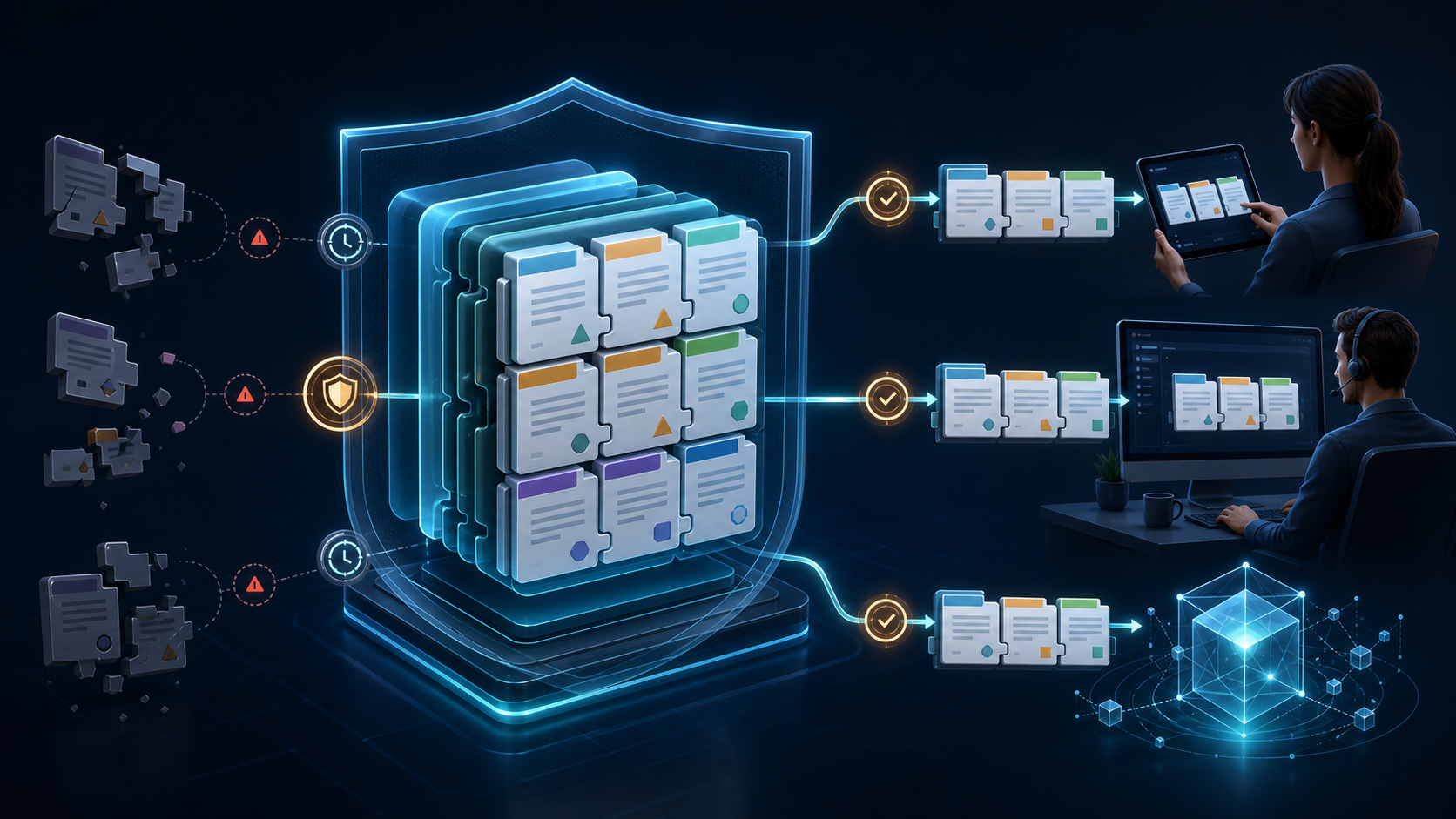
How to Build Scalable, AI-Ready Product Documentation
A practical operating model for creating reliable, versioned product knowledge that serves customers, support teams, and AI assistants.
-

How to Build a Continuous Improvement Loop for AI Support
A practical operating model for measuring AI support outcomes, learning from failures, testing fixes, and shipping improvements without regressions.
-

A Practical Strategy for Foundational AI Platforms and Analytics
A practical framework for choosing platform capabilities, closing governance gaps, linking AI evaluation to analytics, and scaling adoption.
-

Agentic AI for Clinical Trial Operations: A Practical Playbook
A practical framework for choosing, designing, validating, and governing clinical trial agents while keeping accountability and audit evidence intact.
-
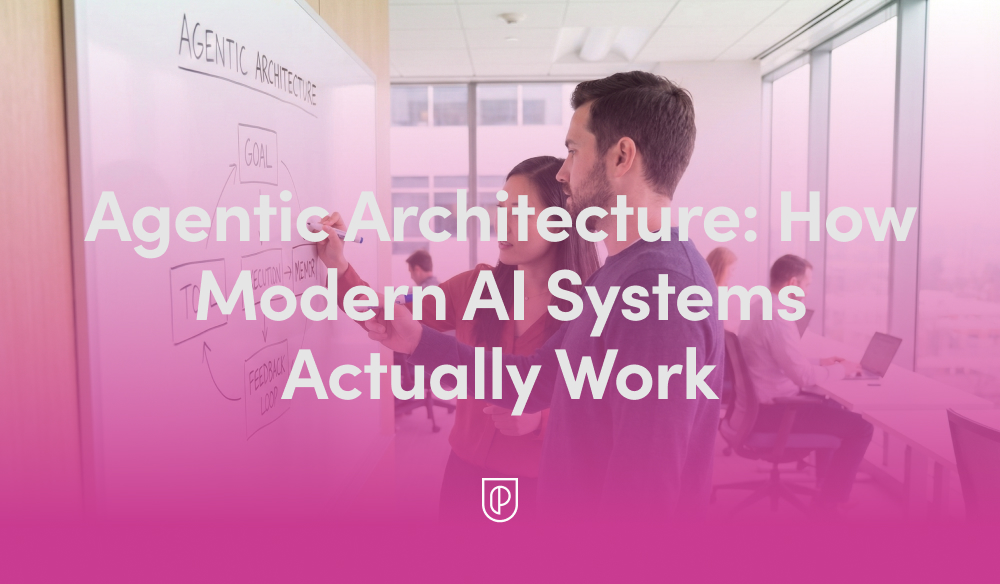
Agentic Architecture Demystified: How Modern AI Systems Plan, Learn, and Execute at Scale
Modern AI isn’t just a model; it’s an agentic system that plans, retrieves, acts, and evaluates in a tight loop. In this piece, I break down…
-

February Fin Breakthroughs: Master complex workflows, natural voice, 2-minute Shopify, smarter ops
This February, we removed four major constraints holding AI agents back: complexity in automation, voice quality under pressure, Shopify setup friction, and helpdesk overhead. Procedures and…
-
Ship MVPs in Days, Not Months: My Proven Prompt Prototyping Playbook for Product Teams
Most MVPs fail because teams validate too slowly and ship on assumptions. I use a prototyping prompts playbook to turn ideas into briefs, flows, and test…
-
Prevent Strategy Drift: AI that flags ‘merge conflicts’ in product plans before a quarter derails
What if you could spot strategy misalignment the moment it starts—before it torpedoes a quarter? I break down how “GitHub for product management” can surface merge…
-
Battle-Tested AI Agent Orchestration Patterns for Reliable, Observable, Product-Ready Systems
Reliable agentic AI isn’t luck—it’s architecture, instrumentation, and disciplined release practices. In this guide, I share the orchestration patterns my teams use to deliver dependable, observable…
-
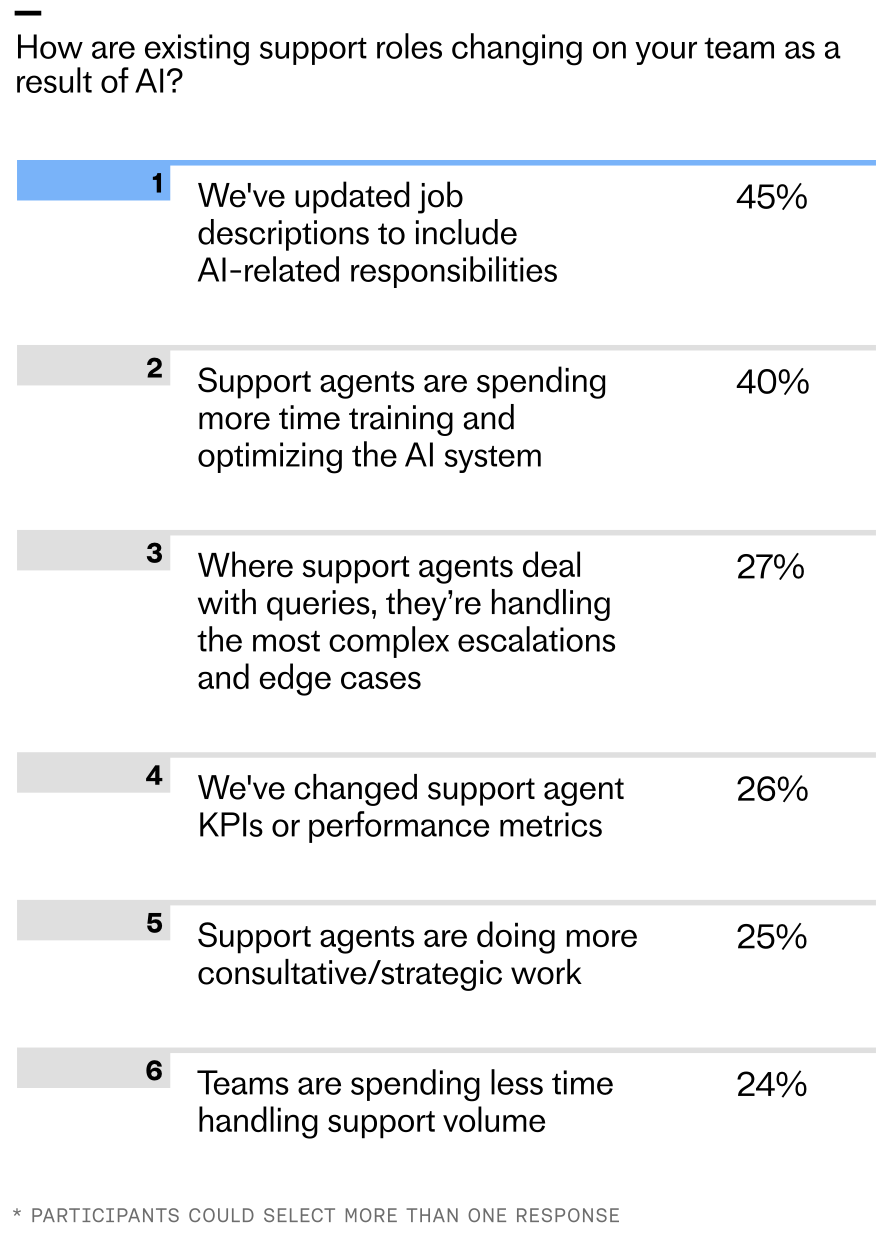
From Tickets to Strategy: How AI Is Rewriting Support Careers—and Why Now Is the Moment
AI is reshaping support from the ground up, shifting work from ticket handling to strategic system improvement. Teams report updated job descriptions, more time spent training…
-

12 Game-Changing Updates to Fin Procedures & Simulations for Complex Queries
I’m announcing 12 major upgrades to Fin’s Procedures and Simulations that help teams safely scale agentic AI for complex, multi-step customer workflows. Build Procedures faster with…
-

Human-in-the-Loop Mastery: Proven Oversight Tactics That Elevate AI Quality and Trust
Human-in-the-loop oversight is the most reliable lever I use to improve AI quality and build trust. By combining retrieval-first pipelines, prompt engineering, and eval-driven development with…
-

How to Build AI-Ready Product Analytics and Experiments
A practical system for linking AI quality, user behavior, risk, cost, and controlled experiments to customer outcomes before you scale.
-

How to Build an AI-Native Go-to-Market Operating System
A practical blueprint for redesigning revenue workflows around AI agents, human handoffs, rigorous evals, shared CRM state, and clear ownership.
-

Implementing AI Agents That Scale: My Playbook for One‑Person Departments with Amplitude
This playbook shows how to turn agentic AI from a promising demo into a dependable “one-person department” that owns real outcomes. I share how to map…
-

An End-to-End AI Product Workflow From Discovery to Deployment
A practical workflow for turning customer evidence into a bounded AI use case, measurable evaluations, a guarded rollout, and a reliable production loop.
-

How to Scale Trustworthy Enterprise Analytics With AI Agents
A practical operating model for grounding, evaluating, governing, and scaling AI analytics agents without losing metric consistency or stakeholder trust.
-
Multi‑Agent Systems Demystified: Why One AI Isn’t Enough—and How I Ship Faster With Many
Multi-agent systems turn a single clever model into a reliable product engine by coordinating specialized agents—planner, executor, and verifier—inside robust AI workflows. I use a retrieval-first…
-

How to Build an AI-Native Product Development Workflow
A practical operating model for connecting customer evidence, product decisions, context engineering, evaluation, and delivery in one learning loop.
Weekly digest
One email a week on AI products, enablement and hiring. No fluff.
Browse topics
- AI Strategy (315)
- Generative AI (106)
- IT Leadership (33)
- Leadership (76)
- Product Management (344)
- Product Management Leadership (306)
- Uncategorized (32)
Work with me
45-minute consultation on AI product strategy, GTM and PM hiring — no charge.