
Product Management
- AI Strategy (317)
- Generative AI (106)
- IT Leadership (33)
- Leadership (76)
- Product Management (344)
- Product Management Leadership (308)
- Uncategorized (32)
-
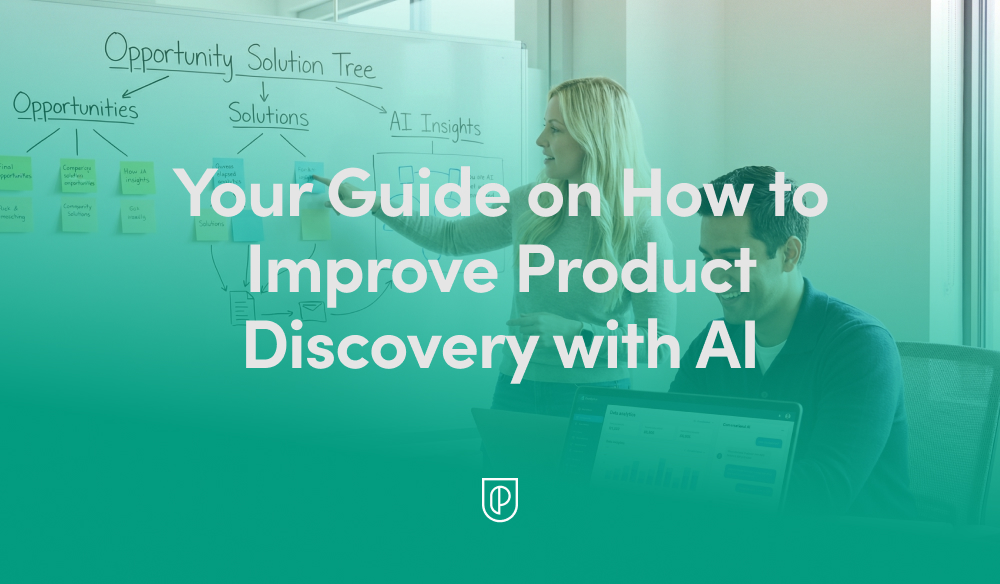
How I Harness AI to Supercharge Product Discovery for Faster Research, Prototyping, and Validation
AI has become my unfair advantage in product discovery, compressing weeks of research, prototyping, and validation into days. I synthesize interviews with LLMs, layer in Amplitude…
-

I Built a ‘Pendo Wrapped’ in 10 Minutes with Pendo MCP to Boost Adoption and Delight Users
I used Pendo MCP to build a lightweight, narrative-style “Pendo Wrapped” in under 10 minutes, turning existing analytics into a compelling in‑app experience. By focusing on…
-

Agentic AI for Construction Tendering: A Product Playbook
A practical playbook for narrowing the tendering wedge, designing specialist agents, evaluating each decision, and earning safe autonomy.
-

AI Product Governance: A Practical Operating Model for PMs
Turn AI ethics into an operating system with risk tiers, release gates, clear ownership, vendor checks, monitoring, and rollback plans.
-
New Year, New Product Habits: AI Workflows, Coaching Culture, and Community in 2026
I’m starting 2026 with a practical reset of how I lead continuous discovery, integrate AI workflows, and scale coaching inside product teams. In this reflection, I…
-
11 Product Management Shifts Redefining 2026: Actionable Signals from Top Leaders
2026 will reward product teams that turn signals into action. In this first-person analysis, I highlight eleven shifts—from outcomes-first OKRs and continuous discovery to agentic AI…
-

The Modern Playbook for AI Agents: Build One‑Person Departments and Scale with Amplitude
AI agents deliver outsized value when they’re treated as productized workflows tied to clear outcomes. In this guide, I share how to consolidate processes, create “one-person…
-

Turn Every Support Ticket into Product Truth: My Playbook for Data-Driven CX Wins
Support tickets are the fastest path to product truth when you turn frontline conversations into structured, reliable data. I connect support tools to a unified analytics…
-
How We Built an AI Career Co‑pilot that Turns Knowing into Doing for Disadvantaged Students
Disadvantaged students don’t just need answers—they need an orchestrated path from insight to action. I break down how Zero Gravity built an AI career co‑pilot that…
-

PMs and Developers Need Different AI Metrics—Here’s How That Builds Faster, Better Products
PMs and developers measure different layers of AI systems—and that’s a feature, not a bug. Developers focus on eval-driven development, latency, and reliability, while PMs focus…
-

7 Proven Steps to Win Stakeholder Buy-In with Clarity, Data, and Lasting Trust
Buy-in is earned through a designed journey—not a single meeting. This first-person, 7-step playbook shows how to align on outcomes vs output OKRs, map stakeholders and…
-

4 Proven Ways to Keep Employees Informed and Engaged—from Onboarding to Lasting Adoption
Employee engagement improves when we treat internal tools like products with activation moments, in-app guides, and continuous discovery. I personalize onboarding with product tours, measure time-to-first-value,…
-

Unlock Travel & Hospitality Growth: Product Benchmarks and Metrics Top Teams Rely On
Benchmarks transform intuition into a clear product strategy for travel and hospitality. In this narrative, I share the key product metrics I rely on—activation, search-to-book conversion,…
-

How to Build a Continuous Discovery Habit That Survives Delivery
A practical operating system for making weekly customer contact, trio ownership, and evidence-based product decisions survive delivery pressure.
-

Stop Choosing: Blend Inside-Out and Outside-In Thinking to Accelerate Product-Led Growth
Inside-out and outside-in thinking aren’t tradeoffs—they’re a flywheel for product-led growth. Blend a sharp product strategy with continuous discovery and real usage data to drive adoption…
-
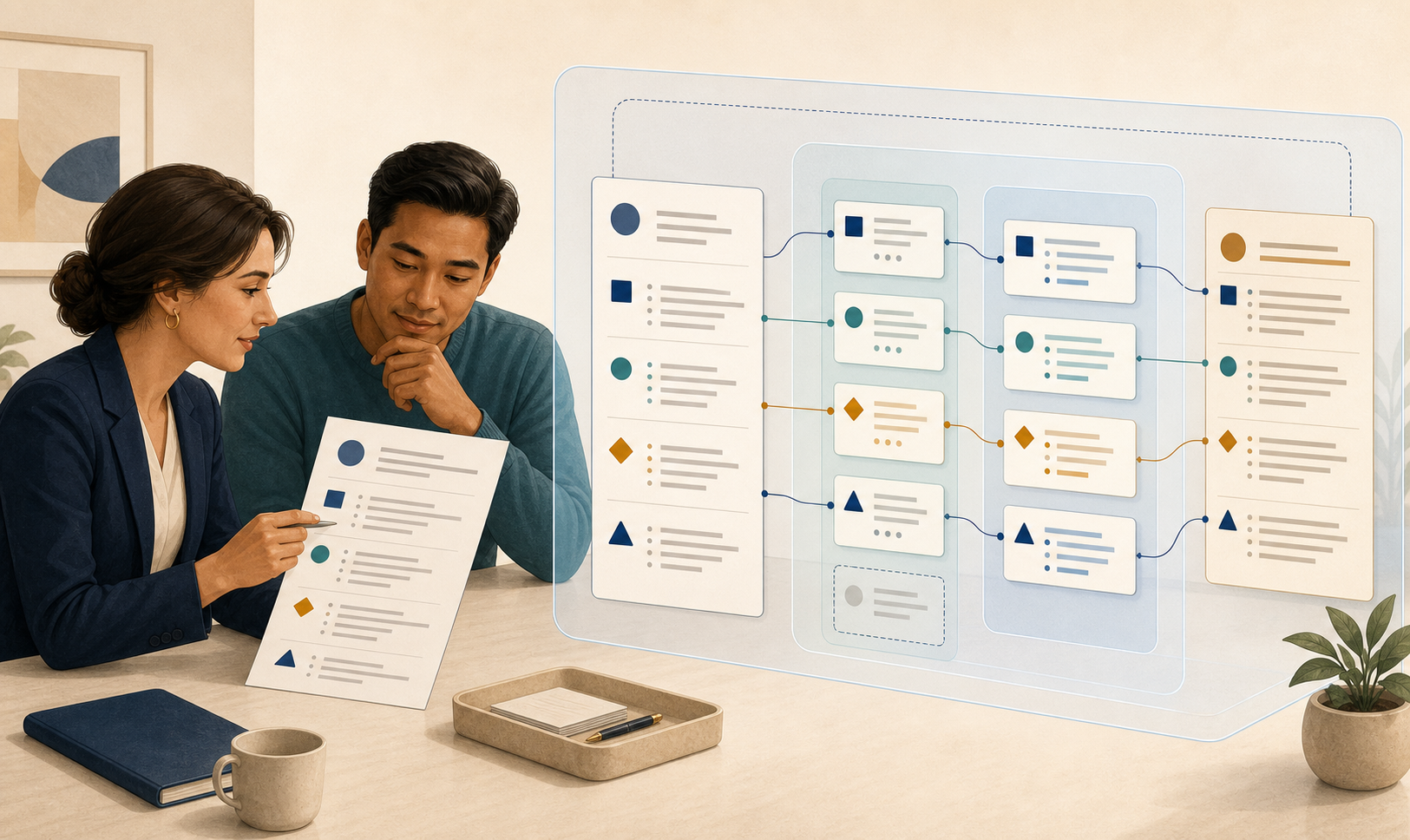
Structured Prompting for an AI Resume Coach You Can Trust
Build a grounded AI resume coach with a three-layer prompt, evidence-linked feedback, safe rewrites, retrieval, and product-grade evaluation.
-

Master the Five Stages of Software Experience Maturity and Prioritize What to Fix First
Experience quality compounds, and a five-stage maturity model turns that truth into a practical plan. Use it to align teams, prioritize the right fixes, and link…
-

Governed Agent Analytics: From Support Signals to Adoption
A practical model for linking support performance to product adoption while enforcing clear data, access, experiment, and scale controls.
-
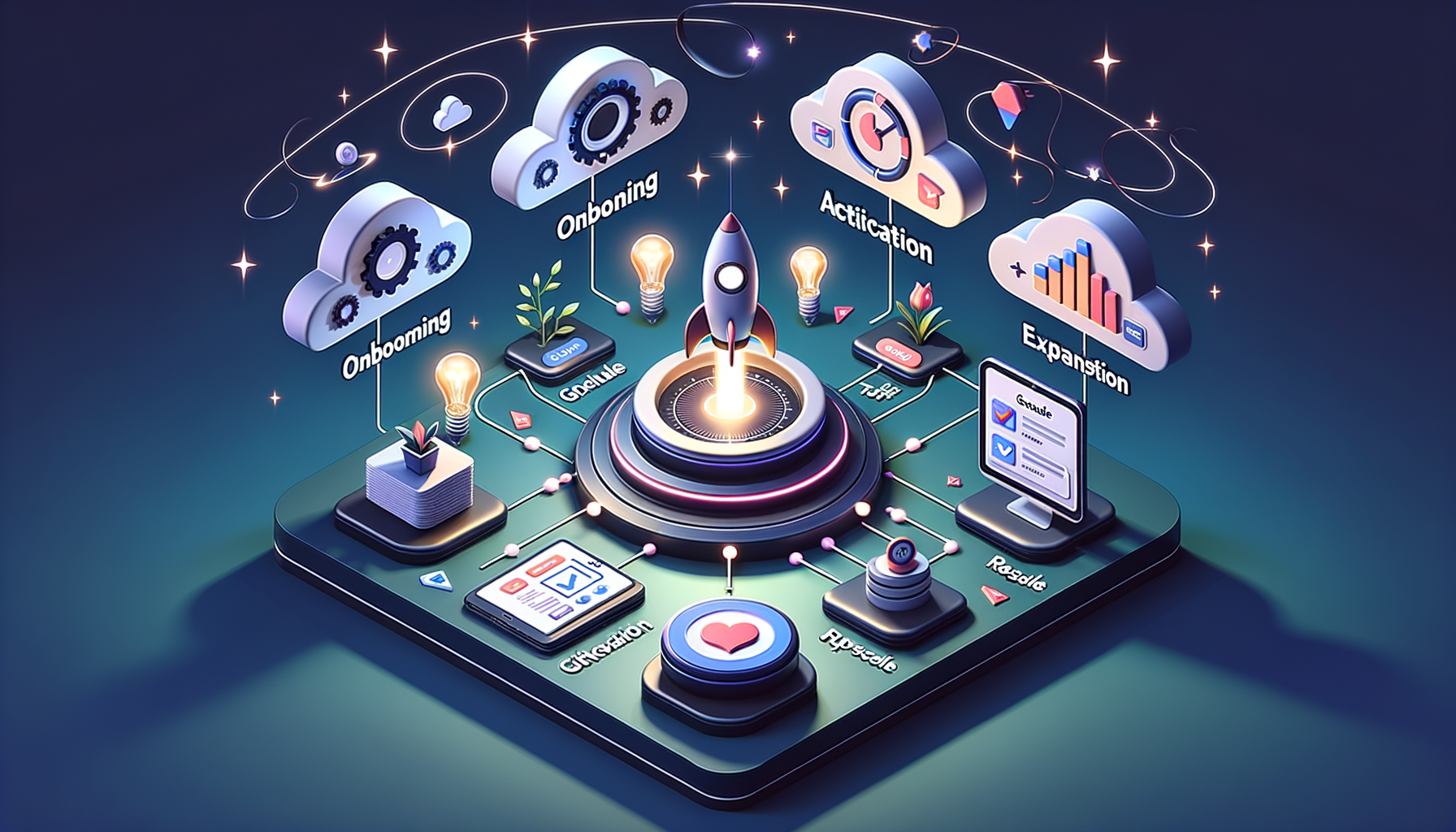
Four High-Impact Lifecycle Journeys to Run in Pendo Orchestrate for Activation and Retention
Pendo Orchestrate makes it possible to deliver the right message at the right time across the entire customer lifecycle. I run four core journeys—onboarding, activation, expansion,…
-

Why I’m All-In on INDUSTRY 2025: 5 Powerful Reasons For Product Leaders at The Product Conference
INDUSTRY 2025 is my must-attend event to sharpen product strategy, deepen AI fluency, and learn directly from operators who ship. I’m prioritizing outcome-driven roadmapping, continuous discovery,…
Weekly digest
One email a week on AI products, enablement and hiring. No fluff.
Browse topics
- AI Strategy (317)
- Generative AI (106)
- IT Leadership (33)
- Leadership (76)
- Product Management (344)
- Product Management Leadership (308)
- Uncategorized (32)
Work with me
45-minute consultation on AI product strategy, GTM and PM hiring — no charge.