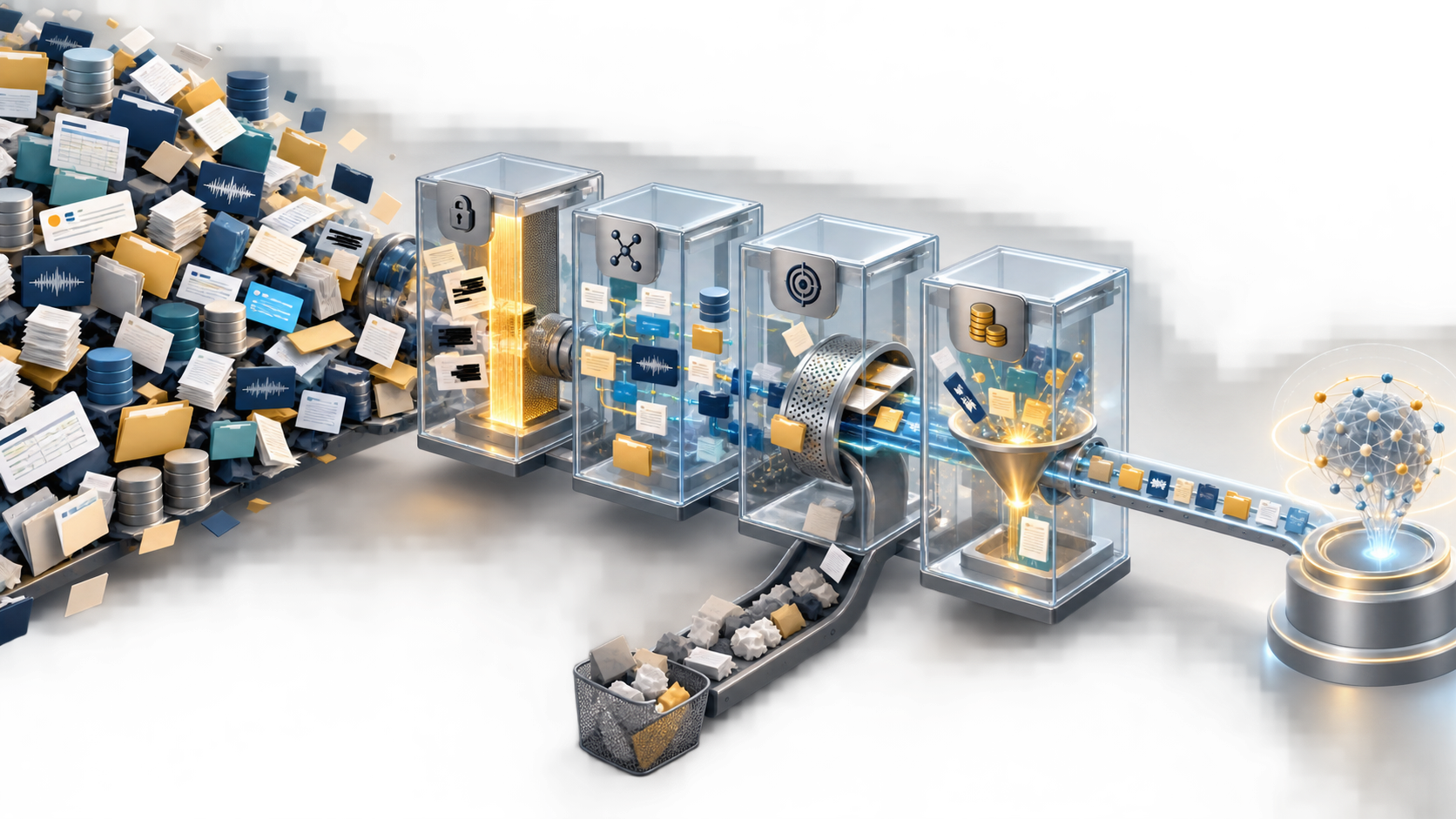
I’ve spent the last few years turning AI from an intriguing demo into an operational advantage, and the clearest wins come when we treat agents as productized workflows—not toys. In practice, that means aligning agentic AI to a sharp product strategy, instrumenting everything, and scaling what works across the organization.
Learn how companies like Replit are consolidating workflows, creating one-person departments, and building systems for scale with Amplitude
When I talk about agentic AI, I’m focused on outcomes: fewer handoffs, faster cycle times, and measurable uplift in activation, retention, and NPS. The most successful rollouts start with a specific job-to-be-done, translate it into clear AI workflows, and then iterate with a tight feedback loop between data, design, and engineering.
My implementation playbook is simple and disciplined. First, choose a high-friction workflow and define success upfront. Second, make the build vs buy call on the foundation model, orchestration layer, and connectors. Third, establish AI risk management and safeguards early—before scale amplifies errors. Finally, run small, eval-driven releases and promote what performs.
Instrumentation is where the leverage compounds. With Amplitude analytics as a unified analytics platform, I design purposeful events (agent intent, tool calls, resolution state, human handoff), map funnels from user input to agent outcome, and cohort users by context to pinpoint lift. This gives me an honest read on where agents help, where they hinder, and what to tune next.
The “one-person departments” concept isn’t about doing more with less at all costs; it’s about assembling a tight loop of product management leadership, data, and automation so one operator can own a business outcome end-to-end. An agent handles the repeatable work, while the human focuses on judgment, edge cases, and continuous improvement that compounds.
As we scale, I look for platform scalability patterns: shared tools and policies, reusable prompt libraries, standardized evaluation suites, and consistent governance. That structure keeps agent performance predictable while preserving speed, and it aligns beautifully with product-led growth when agents are embedded directly in the product experience.
If you’re starting now, begin with a single, valuable workflow. Instrument it thoroughly with Amplitude analytics, make decisions from the data you see—not the demos you remember—and expand only after you’ve proven uplift. Iteration beats ambition here: agentic AI rewards teams who measure relentlessly and scale only what truly works.
Inspired by this post on Amplitude – Perspectives.