Engaging employees and developing high-quality managers is one of the most reliable ways I know to improve performance, retention, and product velocity. I recently revisited a set of lessons that crystallize what great leadership looks like in practice — especially for startups and product teams under pressure to do more with less.
Consider the arc of Russ Laraway’s career. After starting out in the Marine Corps, Russ made his way into the world of startups, joining Google in 2005 where he led teams for 7 years and was recognized as one of the company’s best managers. Russ then went to Twitter, where he founded and ran the SMB advertising business. Afterwards, he teamed up with Kim Scott to co-found Candor, Inc to help people implement the concepts from Radical Candor and have better relationships at work.
In 2018, he joined Qualtrics as the Chief People Officer, later focusing on helping the company’s customers think differently about employee experience. He also has a book on this topic coming out soon, which I’m eager to dig into because the playbook he’s refined is as practical as it is principled.
Here’s what stands out to me for startup leaders, product managers, and anyone navigating the IC to manager transition: you can systematically drive employee engagement while elevating manager effectiveness. Drawing across roles and company stages, Russ serves up usable wisdom whether you’re a first-time manager or a seasoned leader sharpening your product management leadership muscle.
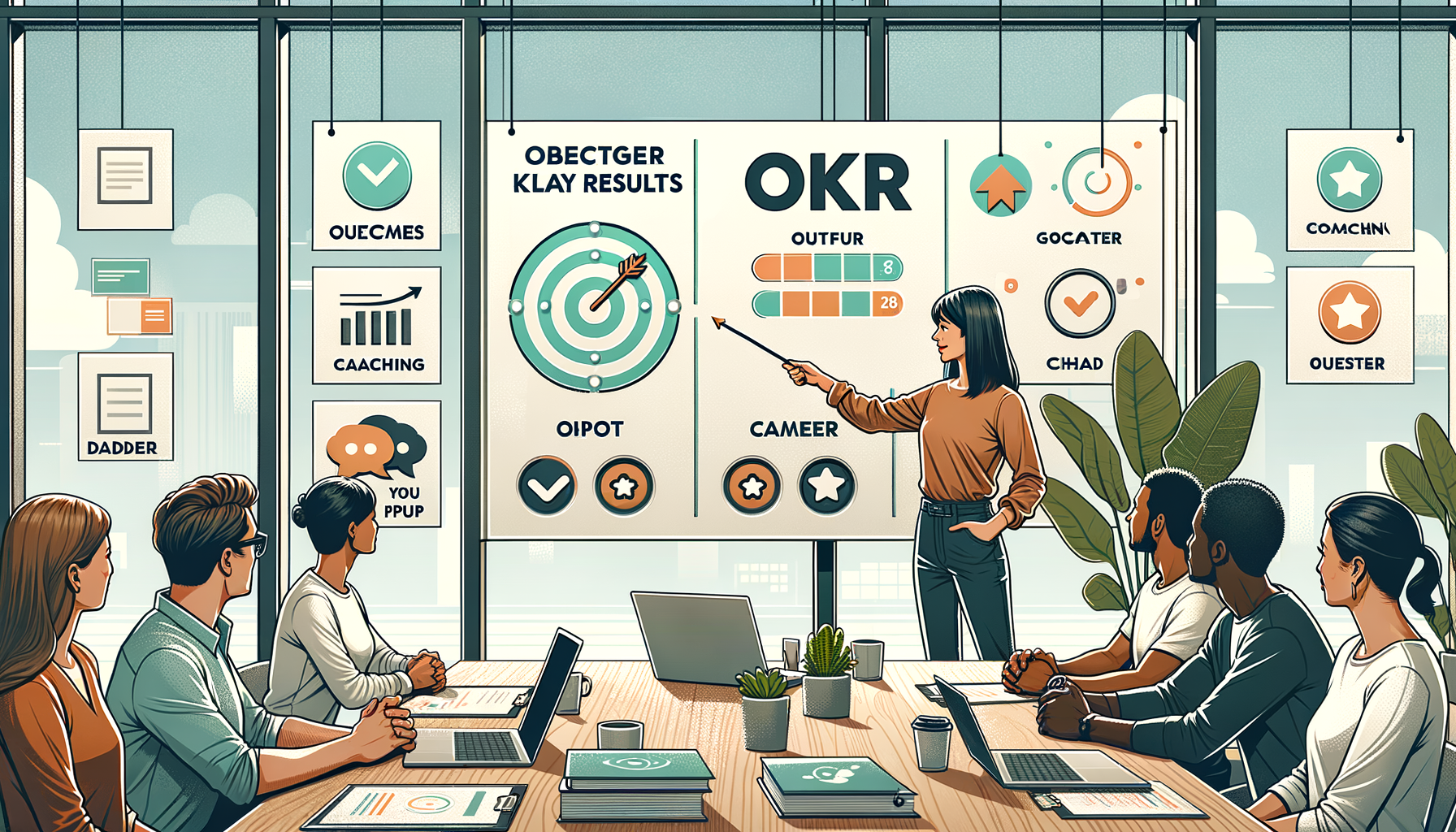
He starts with the direction-coaching-career framework. In my experience, this trio clarifies why teams stall: unclear direction blurs prioritization, weak coaching slows skill growth, and neglected career conversations erode motivation and employee retention at startups. Pair this with a clean approach to OKRs — too many teams confuse outcomes vs output OKRs — and you get a durable operating system for focus and accountability.
What I appreciate most is how tactical he gets. He shares the typical phrases he relies on when delivering feedback, his go-to questions for soliciting what folks on his team really think, and underrated questions to include in employee engagement surveys. I’ve used similar prompts to create safety in 1:1s, surface hidden risks in roadmaps, and ensure we’re solving the right customer problems — not just burning down a backlog.
Finally, he offers 13 recommendations for leadership reads for managers. I treat this as a compact curriculum: a way to level up how we set direction, coach for performance, and invest in long-term careers across the team. It’s the kind of list I hand to new managers and return to myself during planning cycles and performance reviews.
If you’re leading a product organization or building one inside a startup, the path forward is clear: anchor your rituals around direction-coaching-career, recalibrate OKRs to outcomes, ask the brave questions that reveal what your team really thinks, and keep sharpening your craft with proven leadership reads. Done consistently, these habits compound into higher engagement, stronger execution, and sustainable growth.
Inspired by this post on First Round.