
AI Strategy
- AI Strategy (315)
- Generative AI (106)
- IT Leadership (33)
- Leadership (76)
- Product Management (344)
- Product Management Leadership (306)
- Uncategorized (32)
-

A Practical Framework for AI-Era Build-versus-Buy Decisions
A practical framework for separating strategic AI IP from commodity tooling, comparing true ownership cost, and preserving a safe exit as scale changes.
-

AI Transformation Is an Operating Model, Not a Feature Roadmap
A practical operating model for turning scattered AI pilots into measurable outcomes, safer releases, and a faster organizational learning loop.
-

How Product Leaders Turn AI Strategy Into an Operating System
A practical operating model for choosing AI bets, defining production readiness, assigning ownership, measuring adoption, and deciding when to scale.
-
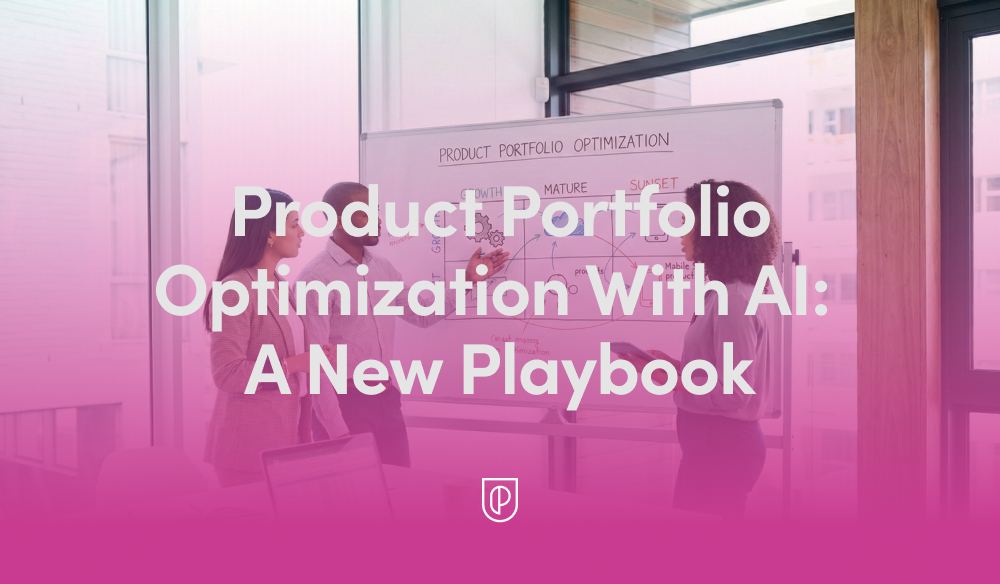
The New AI Playbook for Product Portfolio Optimization: Slash Complexity, Boost ROI
Product portfolio optimization isn’t a once-a-year exercise—it’s a living system. I use AI to turn noisy signals into clear decisions, aligning initiatives to outcomes vs output…
-

10 AI Business Models You Need Now: Proven Playbooks Turning Algorithms into Revenue
AI is no longer a feature—it’s a business model. In this guide, I break down ten proven models—API-first services, vertical copilots, agentic automation, copilot upsells, insights-as-a-service,…
-

Monetizing AI with Confidence: Proven Models, Smart Pricing, and ROI You Can Defend
Turning AI features into sustainable revenue requires more than a great demo; it demands crisp packaging, pricing discipline, and visible customer outcomes. I outline practical models—add-ons,…
-

How Product Leaders Should Plan Their 2026 Conference Calendar
A decision-first framework for choosing 2026 product conferences, assigning attendees, and turning sessions and networking into operating change.
-
2026 Support Capacity Playbook: Bold AI Automation, Smarter Staffing, Zero‑Surprise SLAs
AI is reshaping support capacity planning, and the old linear volume-to-headcount model no longer holds. I center plans on automation rate (AI Agent involvement rate ×…
-
AI in Product Design: My Proven Playbook, Real Use Cases, and the Tools That Win Faster
AI in product design has moved from novelty to necessity, and the fastest-moving teams are weaving it through discovery, prototyping, and validation. I share a practical…
-

From Concierge to AI Marketing Engine: Inside Mowie’s Document Hierarchy Playbook
SMBs don’t need a bigger team to market like pros—they need smarter systems. In this first-person breakdown, I unpack how Mowie evolved from a hands-on concierge…
-

Automated Insights for Product Teams: Uncover Causal ‘Aha’ Moments in Minutes, Not Weeks
Automated insights change the analytics game by surfacing causal patterns and “aha” moments in minutes, not weeks. Instead of manual, exhaustive searches, I get ranked hypotheses…
-

Unlock Real-Time Product Insights: Amplitude + OpenAI MCP in ChatGPT, Without BI Bottlenecks
Connecting Amplitude analytics to ChatGPT via OpenAI’s MCP brings product insights directly into the flow of work. I can ask natural-language questions about activation, retention, and…
-

Operationalizing AI: A Practical System for Scalable Growth
A practical operating model for choosing AI use cases, designing controlled workflows, measuring value, governing risk, and scaling what works.
-
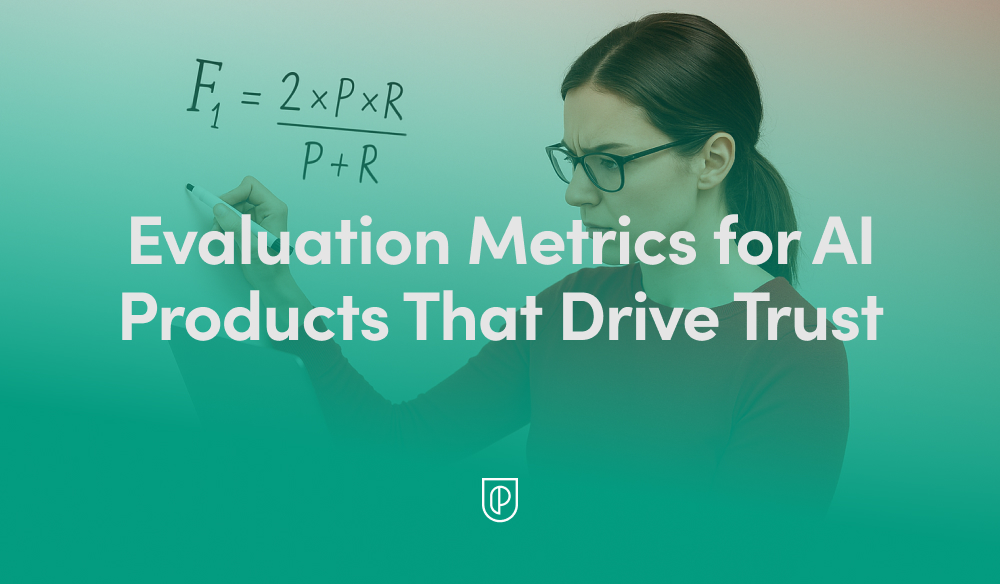
Beyond Accuracy: The Trust-First Evaluation Metrics I Use to Scale High-Impact AI Products
Trust—not accuracy—determines whether AI features earn adoption, retention, and long-term impact. In this piece, I share the layered metrics I use to evaluate model quality and…
-

From No-Code Hack to 10,000 Weekly Calls: Inside Perk’s Voice AI That Actually Works
A small Perk team turned a Make.com hackathon into a voice AI agent that makes 10,000+ weekly hotel verification calls—reducing failed virtual card payments and traveler…
-

How Startups Earn Visibility in ChatGPT and Perplexity
A practical system for turning buyer questions, structured pages, independent proof, and repeatable evaluations into startup visibility in AI search.
-
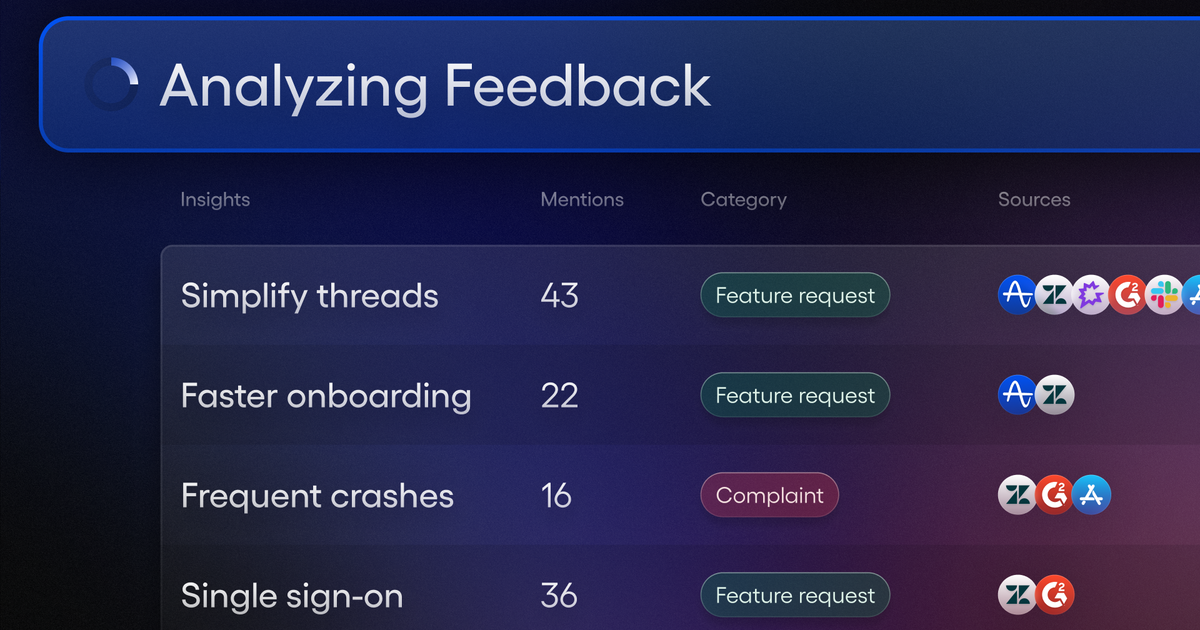
How Amplitude AI Feedback Turns Noise into Product Signal You Can Ship With Confidence
Customer feedback is abundant, but reliable product signal is rare. With Amplitude AI Feedback, I turn fragmented qualitative input into evidence-backed insights tied to real user…
-

Own Your AI: 4 Essential Roles to Supercharge Support and Prevent Performance Drift by 2026
AI doesn’t fail because models are weak; it fails when no one owns performance. In this third installment of my 2026 customer service planning series, I…
-

AI vs. Human Judgment in Customer Interviews: The Hard‑Won Lessons That Changed My Mind
I’ve changed my stance on using AI for customer interview analysis and synthesis after six months of hands-on experiments. AI raises the floor for beginners, but…
-
Unlock AI Product Roadmaps: Essential Tools Every PM Needs to Prioritize and Ship Faster
The AI era demands roadmaps that learn as fast as your customers do. In this first-person playbook, I share how I connect AI strategy to product…
Weekly digest
One email a week on AI products, enablement and hiring. No fluff.
Browse topics
- AI Strategy (315)
- Generative AI (106)
- IT Leadership (33)
- Leadership (76)
- Product Management (344)
- Product Management Leadership (306)
- Uncategorized (32)
Work with me
45-minute consultation on AI product strategy, GTM and PM hiring — no charge.